
Beautiful Plants For Your Interior
Beautiful Plants For Your Interior
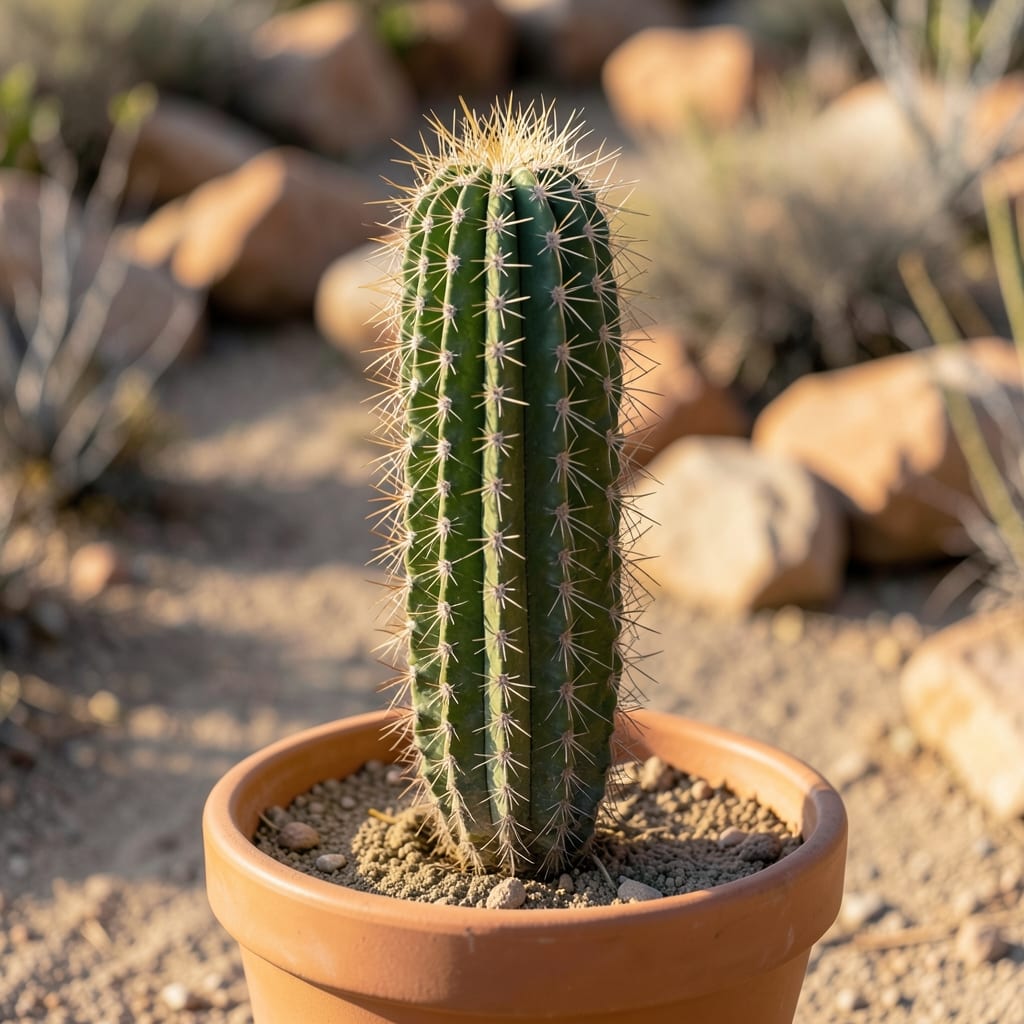
A cactus is likely dead if it turns brown or black, feels mushy or hollow, or falls apart when touched. Yellowing or soft spots may signal early decay.
From my experience, the most obvious red flags are discoloration and changes in firmness. A healthy cactus should feel solid, so softness or squishiness often means internal rot has set in. I’ve learned that yellowing can sometimes be reversible with better care, but blackened or mushy tissue usually signals it’s too late to save. 🌟
💡 In This Article
Color changes often reveal the first clues. A healthy cactus displays vibrant green or blue-green hues, but decay causes pigments to break down. Brown or black discoloration typically indicates rot from overwatering, where fungal or bacterial growth destroys plant cells. This starts at the base where moisture accumulates, spreading upward as the organism dies. 🔥
Texture shifts are equally telling. A living cactus feels firm to the touch, like a fresh cucumber. When internal structures collapse from rot or dehydration, the plant becomes soft, mushy, or even hollow. I’ve noticed that pressing gently on a suspicious spot reveals sponginess in dead tissue, while healthy sections maintain resistance. ⚡
Structural collapse often follows advanced decay. As cell walls degrade, the cactus loses its rigid form and may topple over or crumble when handled. In severe cases, the entire plant falls apart with minimal pressure. This happens because the waterlogged cells burst, leaving behind empty cavities that compromise the cactus’s integrity. ✨
Early warning signs include yellowing or localized soft spots. These indicate the beginning of tissue breakdown, often from inconsistent watering or poor drainage. Unlike the uniform color of a healthy cactus, yellow patches appear irregular and may feel slightly different from surrounding tissue. Catching these early can sometimes allow for recovery. 💫
Pay special attention to the base and any areas touching soil. These zones are most vulnerable to moisture-related issues. A cactus with a blackened base but green top is usually beyond saving, as the rot has likely compromised the root system that sustains the entire plant. 🌟
If the mushiness is limited to one area, you may be able to save it. Cut away the soft part with a clean knife and let the wound dry for 3-5 days before repotting in fresh soil. If the entire plant feels soft, it’s likely beyond recovery.
Yellowing often signals stress from overwatering or poor drainage. Check your watering schedule and ensure the pot has drainage holes. A yellow cactus can sometimes bounce back with proper care adjustments.
Use well-draining soil, water only when the top 1-2 inches are dry, and provide plenty of light. Avoid plastic pots without drainage, which can trap moisture and lead to rot.
Black spots usually indicate rot, especially if they’re soft. If the black area is small and isolated, you might save the plant by removing the affected section. If the base is black, the cactus is likely dead.