
Beautiful Plants For Your Interior
Beautiful Plants For Your Interior
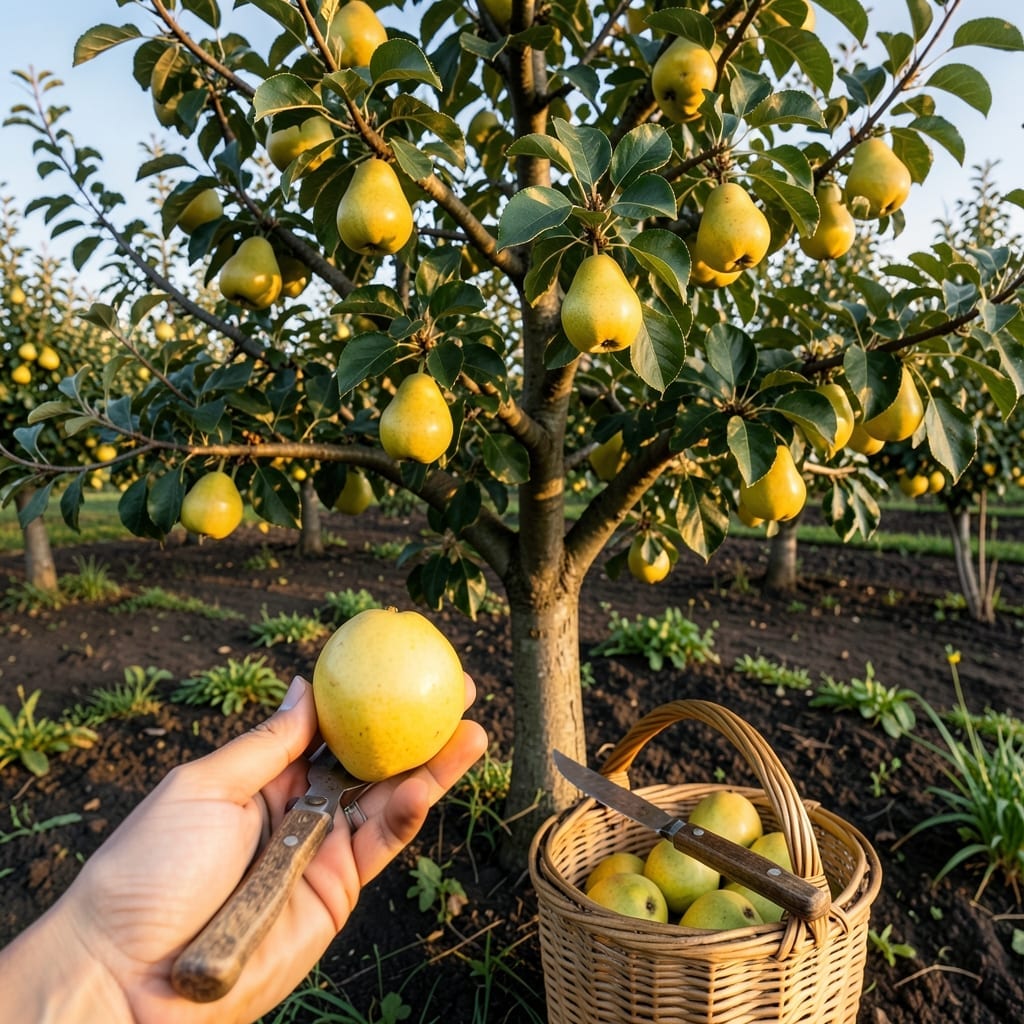
Nothing beats the sweet, juicy crunch of a perfectly ripe Bartlett Pear 🍐—but picking one too early or too late can leave you disappointed.
I’ve learned the hard way that timing is everything with these fruits. The good news? There are simple visual and tactile clues that take the guesswork out of harvest time.
Discover the color changes and texture tests that will help you identify ripeness every single time. Let’s make sure your next Bartlett is perfect.


The most reliable way to spot a ripe Bartlett pear is by its color. Unlike many fruits, Bartletts change dramatically as they mature, going from solid green to a bright yellow hue when fully ready.
I’ve noticed that in cooler climates, the transition can be more subtle, so don’t rush the process. The yellow color typically starts at the stem end and spreads toward the blossom end as ripeness progresses.
| Stage | Color | Ripeness |
|---|---|---|
| Unripe | Solid green | Not ready |
| Partially ripe | Green-yellow mix | Almost there |
| Fully ripe | Bright yellow | Perfect for picking |
Don’t be fooled by red Bartletts—these are a different variety that stays red when ripe. For the classic yellow Bartlett, the color change is your best indicator.
If you’re growing green Bartletts, they’ll turn lighter green with a slight yellow tint. This subtle shift can be tricky, so I always check the stem end first for early signs.
Another thing to watch for: russeting (brown patches) can appear as the pear ripens, especially in dry climates. This doesn’t affect flavor but confirms the fruit is maturing.
I’ve found that pears on the outside of the tree often ripen faster due to more sun exposure. Check these first for the earliest signs of color change.
For the most accurate results, combine color with other tests. A fully yellow Bartlett with a slight softness at the stem is almost always ready to pick.
Remember, Bartletts ripen from the inside out, so even if the skin looks ripe, the flesh might need more time. That’s why I always use multiple indicators.
If you’re unsure, pick one and let it ripen indoors. Bartletts continue to mature off the tree, which is why they’re great for home gardeners.
🌿While color is the first clue, the gentle squeeze test confirms a Bartlett pear is ready. I always check the stem end first, where ripening begins.
Apply light pressure with your thumb near the stem. A ripe Bartlett will have a slight give, like a soft avocado. If it’s rock hard, it needs more time on the tree.
Bartletts ripen from the inside out, so the flesh softens before the skin shows full color. Always combine the squeeze test with color checks for best results.
Be careful not to squeeze too hard—you don’t want to bruise the fruit. I’ve ruined a few pears by being overzealous with my testing.
Another trick: twist the pear gently. If it separates easily from the stem, it’s likely ripe. This works because Bartletts develop an abscission layer when ready to harvest.
I’ve found that pears on the sunny side of the tree often ripen faster. Check these first if you’re eager for that first harvest.
Remember, Bartletts continue to ripen after picking. If you’re unsure, harvest a few and let them sit at room temperature for a day or two to fully mature.
🌿