
Beautiful Plants For Your Interior
Beautiful Plants For Your Interior
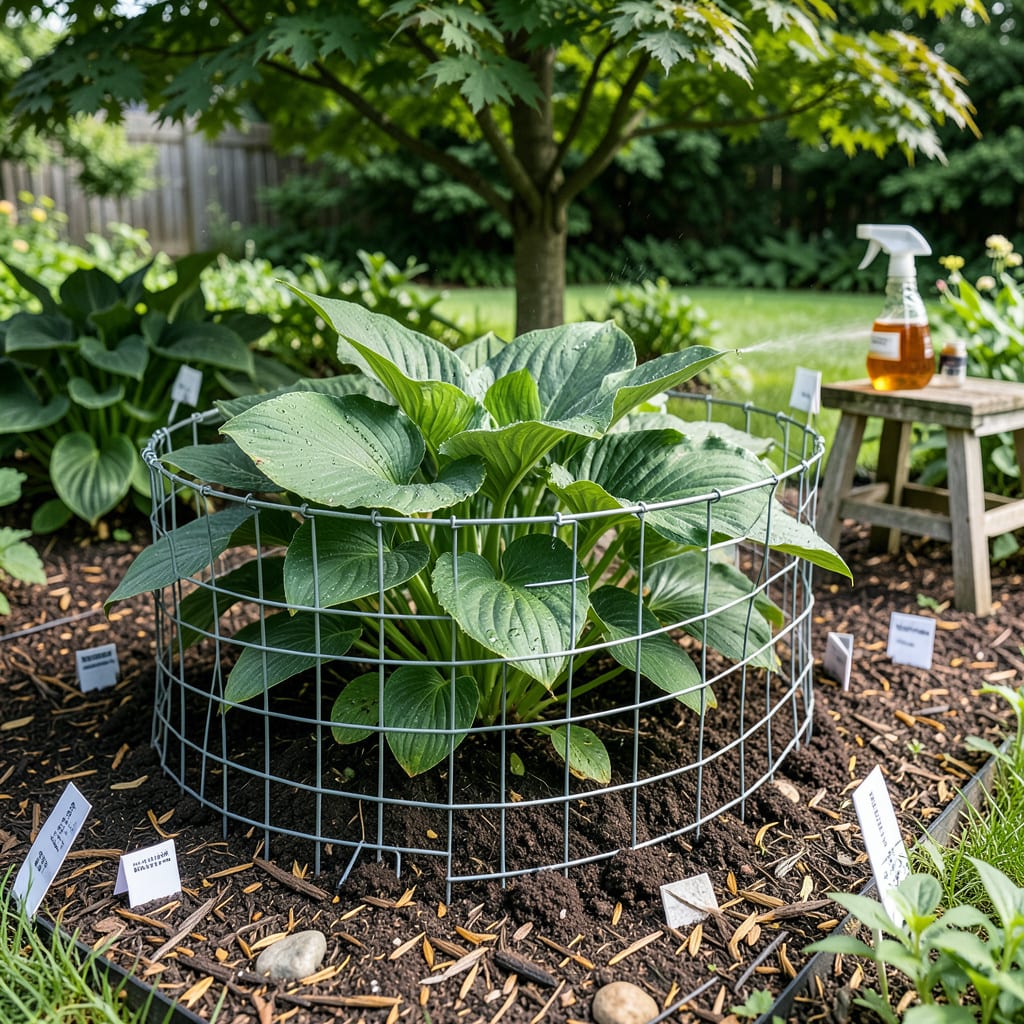
Nothing ruins a hosta lover’s morning faster than finding your prized plants nibbled down to stubs. I’ve lost entire beds to rabbits overnight—those fluffy bandits have a special talent for targeting the most expensive varieties first. The good news? After years of trial and error, I’ve landed on protection methods that actually work without turning your garden into Fort Knox.
You don’t need fancy gadgets or toxic sprays to win this battle. Simple barriers like chicken wire cloches, strategic plant pairings with rabbit-repelling alliums, and a few habitat tweaks can make your hostas completely unappealing. Best part? Most solutions take less than an hour to implement and last the entire season. Let’s outsmart those hungry visitors for good.
📚 In This Guide
These are the exact methods I use to keep my hostas lush and rabbit-free—no more waking up to chewed leaves.
Start by placing chicken wire fencing in a 2-foot-high cylinder around each hosta clump. Bury the bottom 3-4 inches deep to prevent rabbits from digging underneath. I use 1-inch mesh because smaller gaps deter even young rabbits.
The fence should extend 6 inches outward at the base to create an L-shape barrier. This forces rabbits to expose themselves when attempting to reach the plants. Secure the wire with garden staples every 12 inches to keep it stable during wind.
Spray a rabbit repellent containing putrescent eggs or capsaicin around the hostas’ perimeter. Apply it in the early morning when leaves are dry, coating both sides of the foliage. The scent needs to be strong enough to deter rabbits but won’t harm the plants.
Reapply after every heavy rain or every 2-3 weeks during dry periods. I’ve found that rotating between two different repellents prevents rabbits from becoming accustomed to a single scent. Always test a small area first to check for leaf burn.
Plant onion family members (chives, garlic, or alliums) in a 12-inch ring around your hostas. Their strong scent masks the hostas’ aroma that attracts rabbits. I interplant marigolds too—their pyrethrin content naturally repels pests.
For existing hostas, tuck dried blood meal lightly into the soil surface around the plants. The smell mimics predator presence. Refresh this every 4-6 weeks or after heavy rainfall. Avoid direct contact with hosta stems to prevent burning.
Install motion-activated sprinklers near your hosta beds, positioning them to spray when rabbits approach. The sudden water burst startles them without harm. Set the sensitivity to detect animals weighing 2-5 pounds to avoid false triggers from birds.
For a low-tech option, hang aluminum pie pans from stakes around the garden. The flashing reflections and clattering sounds in the breeze create an unsettling environment. Replace pans when they become dull or still—movement is key to effectiveness.
Remove brush piles, tall grass, and woodpiles near your hostas—these provide hiding spots for rabbits. Maintain a 3-foot clearing of short grass or mulch around the plants. I’ve found that rabbits avoid open areas where they feel exposed.
If you have nearby shrubs, trim the lower branches up to 18 inches high to eliminate shelter. Consider adding a predator decoy like a fake owl, moving it every 3-4 days to maintain the illusion of a threat.
After years of battling rabbits in my garden, I’ve learned these practical lessons that make all the difference in keeping hostas safe.
Barrier Installation Tip: When burying the chicken wire fencing 3-4 inches deep in Step 1, use a garden trowel to create a narrow trench first. This makes the process much easier and ensures the wire sits flush against the soil. I’ve found that folding the bottom 2 inches outward at a 90-degree angle creates an even more effective L-shape barrier that rabbits can’t easily dig under.
Repellent Application Insight: For the commercial repellents in Step 2, early morning application is crucial because dew helps the product adhere better to leaves. I recommend using a small paintbrush to apply repellent to the undersides of leaves—this is where rabbits often start nibbling. Always shake the bottle well before each use, as the active ingredients can settle at the bottom.
Natural Deterrent Strategy: When planting companion plants in Step 3, consider adding daffodil bulbs around your hostas. Their toxic properties make them excellent rabbit deterrents. For the dried blood meal, sprinkle it lightly like you’re seasoning food—too much can burn your plants. I’ve had great success mixing it with used coffee grounds (1:1 ratio) to create a double deterrent that also enriches the soil.
Scare Tactic Optimization: For the motion-activated sprinklers in Step 4, position them so they spray across the approach path rabbits typically use. I’ve found that setting the spray duration to 3-5 seconds is long enough to startle rabbits but short enough to conserve water. With aluminum pie pans, hang them at varying heights (12-24 inches) and space them about 3 feet apart for maximum effectiveness.
Rabbits are most active at dawn and dusk (crepuscular), but they’ll munch on hostas anytime if hungry. Nighttime raids are common in urban areas with fewer predators. Check for jagged leaf edges—classic rabbit damage!—to confirm the culprit.
Start early spring before new shoots emerge—rabbits target tender growth first. Reinforce protections in fall if rabbits dig for hosta roots. Year-round vigilance works best in high-rabbit areas, especially during droughts when food is scarce.
These DIY tricks might work temporarily—rabbits dislike strong smells. Sprinkle coffee grounds around plants (reapply after rain) or tuck human hair clippings in mesh bags. However, hungry rabbits often adapt. For reliable results, pair with fencing or commercial repellents.
Reapply repellent every 1–2 weeks (or after rain) and rotate brands to prevent rabbit habituation. If sprays fail, switch to physical barriers like chicken wire cloches or raised beds. Young hostas are extra vulnerable—prioritize protecting those!
Yes! Try lavender, Russian sage, or daffodils—rabbits usually avoid their strong scents or toxic compounds. For hosta-like foliage, consider ferns, coral bells (Heuchera), or lungwort. Mix these into your garden to divert rabbits elsewhere.
