
Beautiful Plants For Your Interior
Beautiful Plants For Your Interior
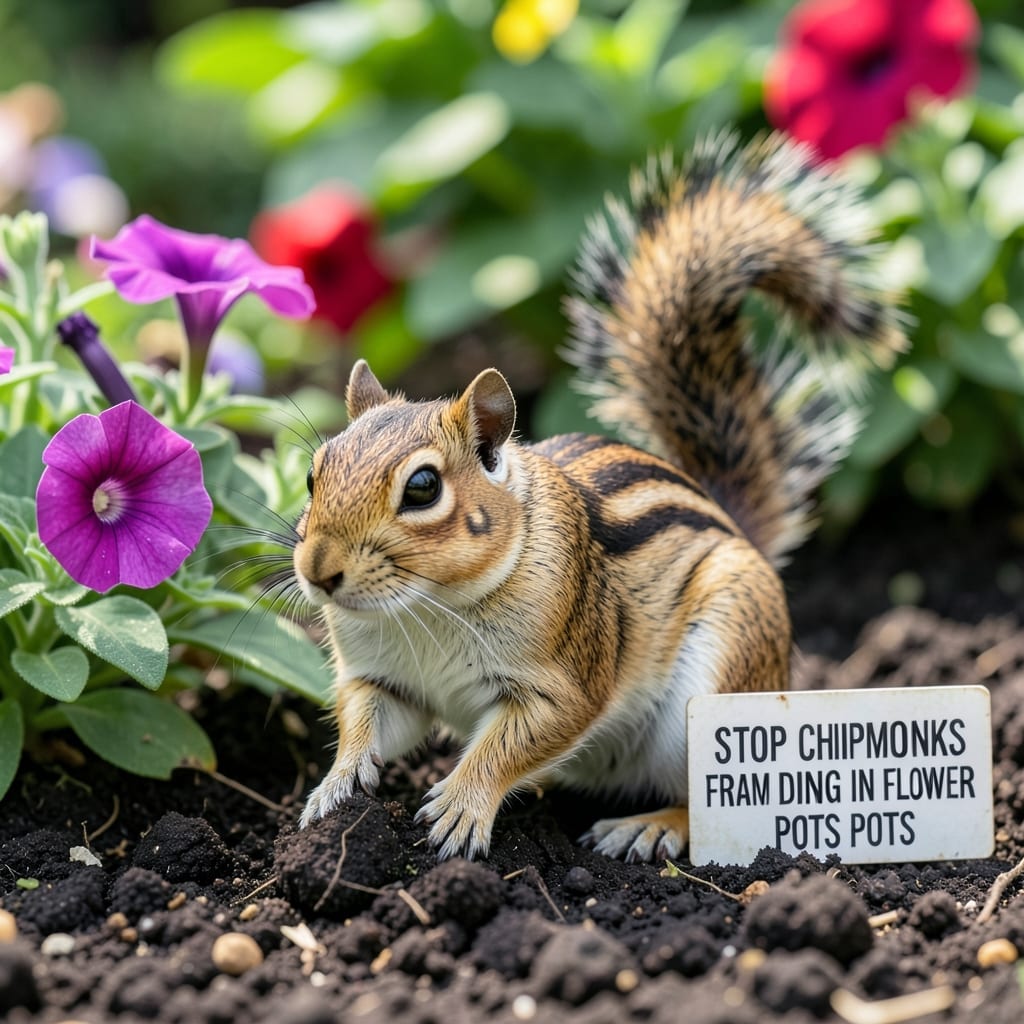
Those little furry diggers turned my potted petunias into their personal excavation site last summer. Chipmunks in flower pots aren’t just messy—they uproot seedlings, bury food, and leave your containers looking like a tiny construction zone.
Here’s the thing—I’ve tried everything from shouting to sprinkling spices, but the humane solutions that actually work are simpler than you’d think. No traps, no harm, just smart strategies that keep both plants and wildlife happy.
You’ll protect your blooms without turning your garden into a fortress. The best methods use what chipmunks naturally avoid—certain scents, textures, and barriers they can’t or won’t cross.
Works for patio pots, balcony planters, or any container garden. Let’s outsmart those cute but chaotic critters.
Chipmunks may seem adorable, but their digging habits can wreak havoc on your flower pots. Understanding why they do it is the first step toward stopping them. Here are the primary reasons, backed by science:
Chipmunks are natural foragers, and their burrowing behavior is hardwired for survival. They dig to store food (a behavior called caching) in shallow holes, which often end up in your potted plants. Their cheek pouches can hold up to 10 sunflower seeds at once, and they’ll stash these in multiple locations to retrieve later. Flower pots provide loose, aerated soil—perfect for quick digging.
Female chipmunks dig burrows to create nursery chambers for their young, especially in spring and early summer. While they prefer undisturbed ground, potted plants offer a convenient, protected alternative if natural soil is scarce or too compact. The roots of your plants mimic the stability of a natural burrow, making pots an appealing (but frustrating) choice.
In hot weather, chipmunks dig to access moisture trapped in the soil. Potted plants retain water better than dry garden beds, so they’ll target them to stay hydrated or cool off. Additionally, digging helps them regulate their body temperature by exposing damp, cooler soil beneath the surface.
Chipmunks are territorial and use digging to mark their domain. The disturbed soil in your pots may signal to other chipmunks that the area is claimed. They also use these holes to hide from predators, as the confined space of a pot can feel like a safe escape route.
Chipmunks can be persistent, but with the right strategies, you can protect your flower pots without harming these tiny garden visitors. Below are practical, humane solutions tailored to the most common causes of their digging behavior, along with prevention tips to keep them away for good.
Chipmunks love loose, freshly turned soil for burrowing. Cover the soil surface with a layer of small, smooth river rocks, gravel, or decorative pebbles. This makes digging difficult and unappealing. For extra protection, lay down chicken wire or hardware cloth just beneath the soil line in pots—chipmunks can’t dig through it.
Prevention Tip: 💡 Use dense mulch like cedar chips, which chipmunks dislike due to its strong scent.
If chipmunks are after seeds or bulbs, switch to less appealing plants like daffodils, hyacinths, or alliums—they’re naturally chipmunk-resistant. For existing pots, bury bulbs in wire cages or use organic repellents like cayenne pepper or crushed garlic cloves mixed into the topsoil. Reapply after rain.
Prevention Tip: ✨ Keep the area clean and free of fallen seeds or fruit from nearby plants.
Chipmunks dig to create nests, especially in shaded, quiet areas. Elevate pots on stands or hang them to eliminate ground-level access. If they’re targeting a specific spot, place pots on a smooth, flat surface (like a patio slab) where digging is impossible.
Prevention Tip: 🎯 Regularly inspect pots for new holes and fill them immediately with soil and a rock barrier.
Chipmunks have a strong sense of smell. Sprinkle predator urine (like fox or coyote, available at garden stores) around pots, or soak cotton balls in peppermint or citrus oil and place them nearby. For a sound-based approach, wind chimes or a motion-activated sprinkler can startle them away.
Prevention Tip: 🌡️ Rotate deterrents every few weeks so chipmunks don’t get used to them.
No, chicken wire buried just below the soil surface won’t harm roots. Use 1/2-inch mesh and trim edges to avoid poking. Plants grow normally while chipmunks can’t dig through it.
Reapply cayenne pepper or garlic after rain or every 3-5 days. Strong scents fade quickly. For best results, rotate repellents weekly so chipmunks don’t adapt.
Most models have night vision and work 24/7. Chipmunks are active during the day, but a sprinkler also deters raccoons and cats. Place it to cover all vulnerable pots.
Yes! Sprinkle used coffee grounds on soil. The strong smell and gritty texture discourage digging. Plus, it adds nitrogen to soil—just avoid overdoing it.