
Beautiful Plants For Your Interior
Beautiful Plants For Your Interior
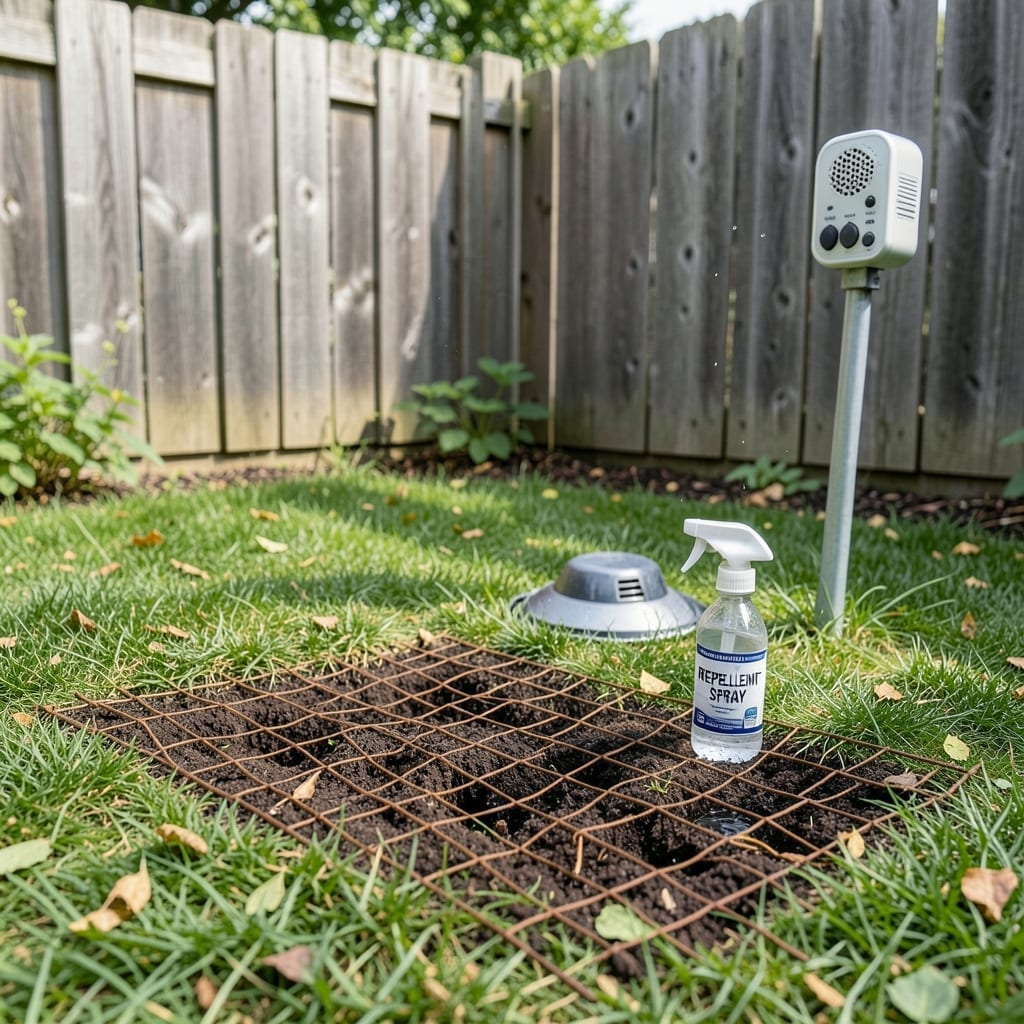
My yard looked like a construction site last spring. 🌱 Small holes everywhere, overnight. Turns out raccoons were hunting grubs, and squirrels were burying their stash. I tried everything before finding what actually works.
The solution isn’t about traps or chemicals—it’s about making your yard less appealing. Remove the food source, block the access, and give them better options. Most animals move on within a week of consistent effort.
You’ll get your lawn back without harming wildlife. The methods are simple, use household items, and cost almost nothing. My neighbor thought I’d hired an exterminator until I showed her the 3-step process.
Works for urban backyards, rural properties, and everything in between. The animals still visit—they just stop digging.
Understanding why animals dig up your yard is the first step toward preventing it. Different creatures have distinct motivations, often tied to survival, comfort, or instinct. Here are the most common reasons:
Many animals, like raccoons, squirrels, and skunks, dig in search of grubs, worms, and insects. Your lawn may be a buffet of tasty treats hidden just beneath the surface. Scientific note: Grubs (larval beetles) are a primary food source, and their presence signals fertile soil—making your yard especially appealing.
Animals such as foxes, groundhogs, and rabbits dig burrows for protection from predators, harsh weather, or to raise their young. These tunnels can be extensive, with multiple chambers for different purposes. For example, a groundhog’s burrow may stretch 5 feet deep and 20 feet long, complete with a “bathroom” area.
In extreme heat or cold, animals like armadillos and moles dig to create a stable microclimate. Underground, temperatures remain more consistent—cooler in summer and warmer in winter. This behavior is especially common in regions with temperature swings.
Some animals, including dogs and cats, dig to mark their territory. The scent glands in their paws leave behind chemical signals, warning other animals to stay away. This is more common in unneutered pets but can occur in wild animals too.
Not all digging is intentional. Moles and voles, for instance, create tunnels while searching for food, which can collapse and leave visible holes. Their digging aerates the soil but can also uproot plants and disrupt lawns.
Once you know why animals are turning your yard into Swiss cheese, you can pick the right fix. Below are the most common causes and the practical, humane solutions that stop the digging for good.
💡 Pro Tip: Always check local laws before trapping/relocating wildlife—many species are protected. Humane deterrents are often the simplest (and kindest) solution!
Motion-activated sprinklers work immediately for most animals. The sudden spray scares them off without harm. Place them near active digging spots for best results.
For burrowers like gophers, bury hardware cloth 2-3 feet deep. Above-ground fences need to extend outward to stop diggers from going under.
Castor oil granules deter moles and voles by making soil unappetizing. Reapply after rain for continued protection.
Fill holes with rocks before adding soil to discourage re-digging. For lawns, use a mix of soil and grass seed to restore the area.