
Beautiful Plants For Your Interior
Beautiful Plants For Your Interior
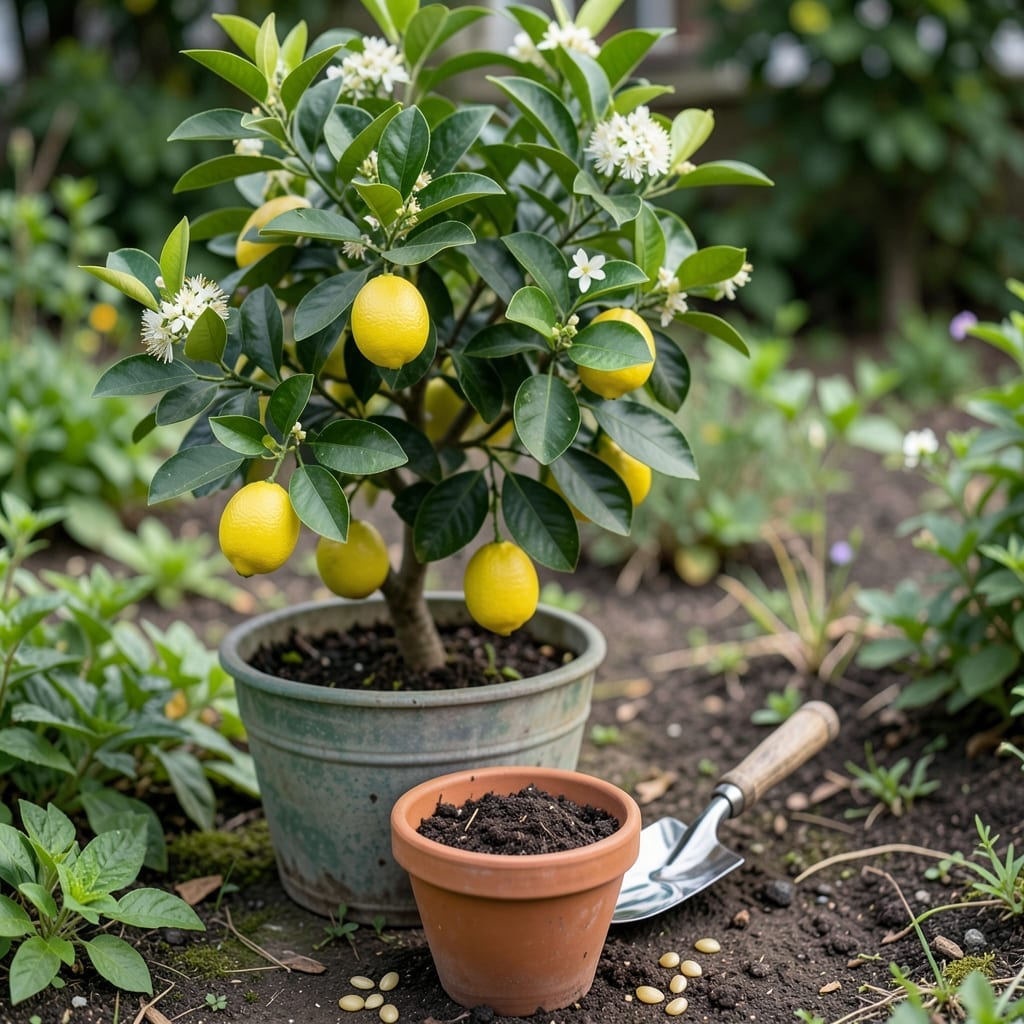
Imagine growing your own 🍋 Lemon Tree from a tiny seed. It’s a rewarding project that connects you to the growth process in a way store-bought plants can’t.
While it takes patience, watching those first sprouts emerge is incredibly satisfying. You’ll learn the ins and outs of nurturing life from scratch.
Discover how to turn a simple seed into a thriving tree with the right care and techniques. Let’s get started on this fulfilling journey together.


Starting a lemon tree from seed begins with selecting the right organic lemon. I always choose fresh, untreated seeds from a ripe fruit to ensure the best germination rates. Avoid seeds from store-bought lemons that may have been treated for longevity.
Once you’ve extracted the seeds, give them a gentle wash to remove any fruit residue. This step prevents mold growth during germination. Pat them dry with a paper towel and let them sit for a few minutes before planting.
For the planting medium, I recommend a light, airy mix of potting soil and perlite. This combination ensures proper drainage, which is critical for preventing root rot. You can also add a bit of compost for extra nutrients.
Moisture control is key during germination. I use a spray bottle to mist the soil lightly every 1-2 days, keeping it damp but not waterlogged. Overwatering is a common mistake that can drown the seeds before they sprout.
Ideal germination conditions include bright, indirect light and consistent warmth. A seedling heat mat can help maintain the right temperature if your home tends to be cooler. Once sprouts appear, move them to a sunnier location.
If you notice slow sprouting, don’t panic. Some seeds take longer to germinate. Check that the soil hasn’t dried out and that the temperature remains steady. Patience is your best tool here.
Mold growth can be an issue if humidity is too high. To prevent this, I ventilate the container daily by removing the plastic wrap for a few hours. This allows excess moisture to escape while still maintaining a humid environment.
Once your lemon seedlings have sprouted and grown a few inches tall, they’re ready for the next step. This is when you’ll start thinking about transplanting them into larger pots to give their roots more room to grow.
Starting a lemon tree from seed is a fulfilling journey that teaches you the value of patience and care. With the right conditions and a little attention, you’ll soon have a thriving young tree ready to brighten your garden or home 🌱
Once your lemon seedlings sprout, they need proper care to thrive. I always start by ensuring they get 6-8 hours of sunlight daily, either from a south-facing window or under grow lights.
Transplanting is the next big step. When seedlings have 2-3 true leaves, move them to individual pots with fresh, well-draining soil. This gives roots space to expand and prevents overcrowding.
Overwatering can cause root rot. Keep soil moist but not soggy.
A consistent watering schedule keeps seedlings happy. I water mine when the top inch of soil feels dry, using a gentle stream to avoid disturbing the roots. Morning watering helps prevent fungal issues.
Fertilizing is key for growth. Start with a diluted, balanced fertilizer every 4-6 weeks once seedlings are established. This provides essential nutrients without overwhelming young plants.
Protect your seedlings from pests like aphids or spider mites. I inspect leaves regularly and use neem oil spray if I spot any intruders. Early detection makes treatment easier.
As your seedlings grow, gradually acclimate them to outdoor conditions if you plan to move them outside. This hardening-off process prevents shock from sudden changes in temperature or light.
With the right care, your lemon seedlings will grow into strong, healthy trees. It’s a journey worth the effort, and soon you’ll enjoy the fruits of your labor 🌱