
Beautiful Plants For Your Interior
Beautiful Plants For Your Interior
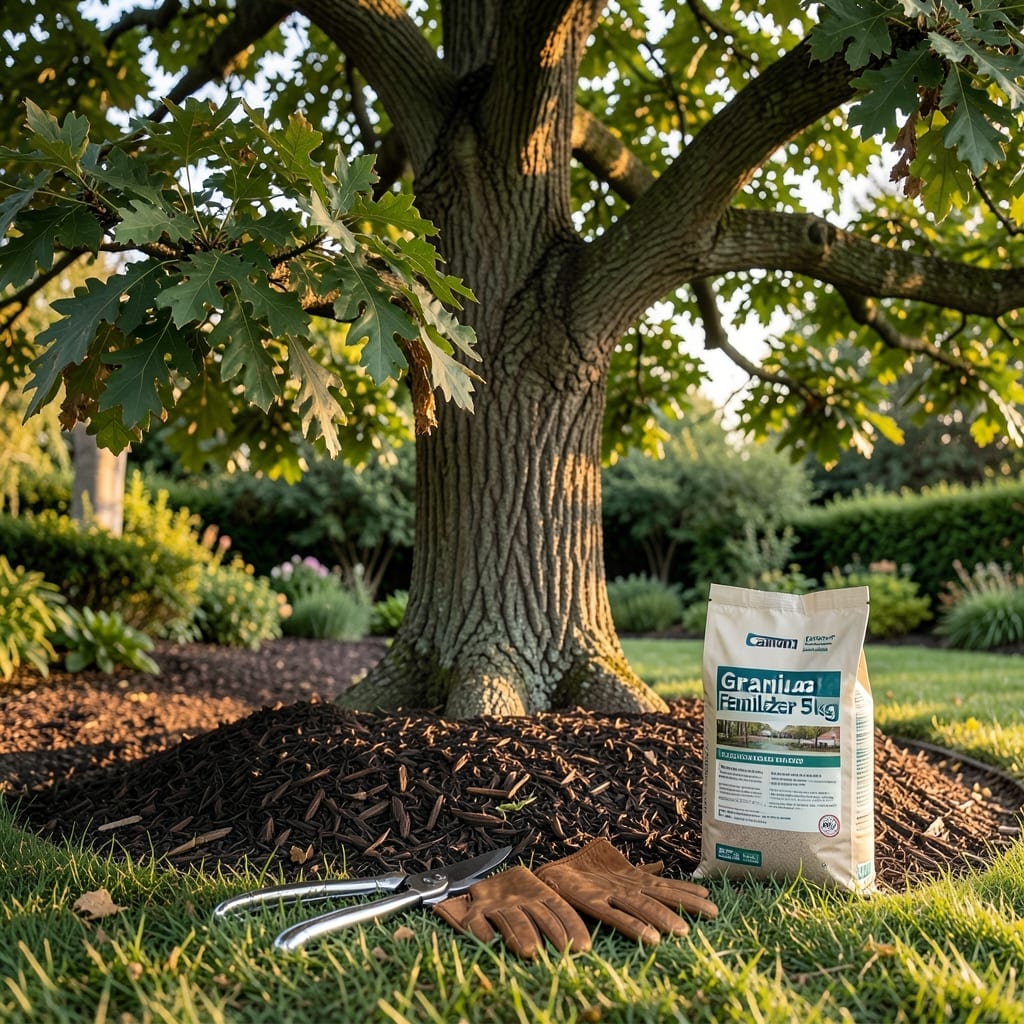
That sinking feeling when you notice your oak’s leaves browning too early. I’ve stood under dying oaks, wondering if it was too late—then discovered most can bounce back with the right approach.
Often the problem isn’t the tree itself but what’s happening around it: compacted soil, fungal infections, or pests you can’t see. The solution starts with proper diagnosis before treating anything.
Within 2-3 weeks of targeted care, you’ll see new growth pushing through. The key is addressing the root cause, not just the symptoms you can spot from the ground.
Works for mature oaks and young saplings alike. Here’s how to bring yours back to life.
Oak trees are hardy, but even they can fall victim to environmental stressors, pests, and diseases. Understanding the root causes of decline is the first step toward revival. Below are the most common reasons your oak may be struggling.
Insects like oak borers, gypsy moths, and sawflies can weaken or kill an oak by burrowing into the bark, defoliating leaves, or disrupting nutrient flow. Borers, for example, lay eggs in bark crevices; their larvae tunnel into the tree, cutting off its vascular system. Left unchecked, severe infestations can lead to dieback—where branches die from the top down.
Oaks are susceptible to deadly fungal infections such as oak wilt and sudden oak death. Oak wilt, caused by the Bretziella fagacearum fungus, clogs the tree’s water-conducting vessels, starving it of moisture. Early signs include leaf discoloration (browning or yellowing) and premature leaf drop. Fungi thrive in wet conditions, so poor drainage or excessive rainfall can accelerate infection.
Extreme weather—drought, flooding, or temperature swings—can push an oak into decline. Drought stress reduces water uptake, making the tree more vulnerable to pests and disease. Conversely, overwatering or poor soil drainage can suffocate roots, leading to root rot. Compacted soil (often from construction or foot traffic) also restricts root growth, limiting nutrient absorption.
Mechanical injuries from lawnmowers, trimmers, or improper pruning create entry points for pathogens. Even soil compaction from heavy machinery can sever roots, reducing the tree’s ability to anchor itself and absorb water. Girdling roots—roots that wrap tightly around the trunk—can also strangle the tree over time.
If your oak tree is struggling, targeted action can bring it back to life. Below are solutions for common issues, paired with prevention tips to keep your tree thriving long-term.
If the roots are waterlogged or infected, start by reducing watering and ensuring the soil drains well. For fungal issues, apply a fungicide (like copper-based solutions) to the base and affected areas. Remove any decayed roots carefully to prevent spread.
Prevention tip: 💡 Avoid overwatering and plant oaks in well-draining soil. Add mulch to regulate moisture but keep it away from the trunk.
For pests like borers or gypsy moths, prune infected branches immediately and dispose of them safely. Use horticultural oil or insecticidal soap for mild infestations. For severe cases, consult an arborist for targeted pesticide applications.
Prevention tip: 🎯 Inspect your tree regularly for early signs of pests, such as holes in the bark or chewed leaves.
Yellowing leaves or stunted growth often signal a lack of nutrients. Test your soil to identify deficiencies, then apply a balanced fertilizer (e.g., 10-10-10) or organic compost. Focus on nitrogen for leaf health and potassium for root strength.
Prevention tip: ✨ Fertilize in early spring or late fall, and avoid over-fertilizing, which can harm the tree.
Extreme weather, drought, or compacted soil can stress an oak. Water deeply during dry spells (1-2 inches per week) and aerate the soil to improve oxygen flow. If the tree is in a high-traffic area, add protective barriers to prevent soil compaction.
Prevention tip: 🌡️ Mulch around the base to retain moisture and regulate soil temperature.
Broken branches or bark wounds invite disease. Prune damaged limbs with clean, sharp tools, cutting just outside the branch collar. For bark injuries, remove loose bark and cover the area with tree wound dressing to prevent infection.
Prevention tip: 🔥 Avoid using lawnmowers or weed whackers near the trunk, as they can cause accidental damage.
Water deeply 1-2 times per week, providing 1-2 inches of water each time. Focus on the root zone, not the leaves. Reduce frequency if rainfall is adequate. Overwatering can be just as harmful as drought
Look for leaf discoloration (browning or yellowing) and premature leaf drop, often starting at the top. Veins may stay green while the rest of the leaf turns brown. Act fast if you notice these symptoms
Yes, but prune dead branches immediately to prevent further spread. Focus on improving overall tree health through proper watering, fertilizing, and pest control. Severe cases may need professional arborist intervention
Mulch is beneficial when applied correctly. Use 2-4 inches of organic mulch, but keep it 6 inches away from the trunk to prevent rot. Mulch retains moisture and regulates soil temperature