
Beautiful Plants For Your Interior
Beautiful Plants For Your Interior
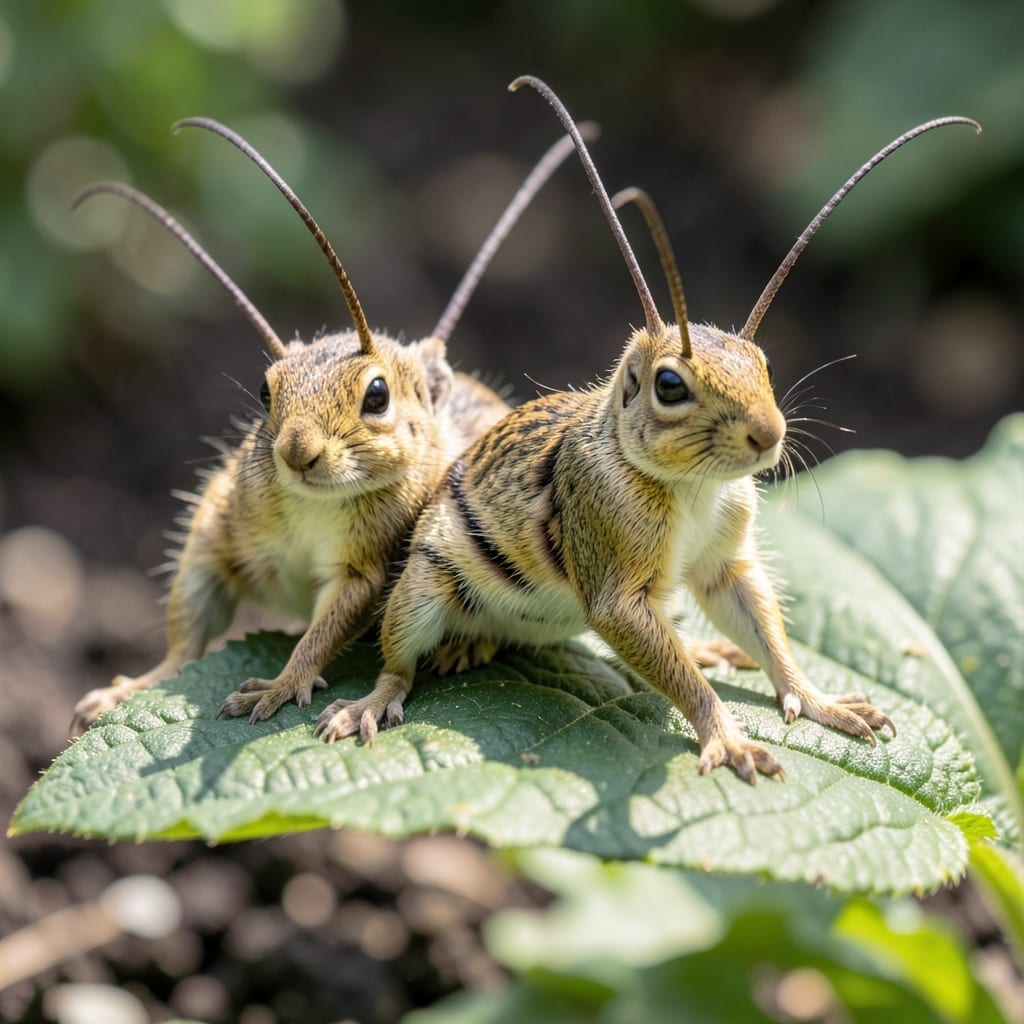
I’ve lost count of the bulbs I’ve planted only to find empty holes the next morning. 🌱 Squirrels treat gardens like all-you-can-eat buffets, but there are humane ways to reclaim your space without harm.
The key is disrupting their routine before they settle in. Simple changes—like relocating feeders or adding motion-activated sprinklers—can make your garden far less appealing. I’ve tested these methods, and they work without trapping or poison.
Within a week, you’ll notice fewer dig sites and more intact plants. The best part? These solutions keep working season after season, so you’re not fighting the same battle every spring.
Works for flower beds, vegetable patches, and even potted plants on the patio. Here’s how to start today.
Squirrels are drawn to gardens for a few key reasons, each tied to their natural behaviors and survival instincts. Understanding these causes can help you address the root of the problem.
Gardens often provide an all-you-can-eat buffet for squirrels. They’re naturally attracted to nuts, seeds, fruits, and vegetables, which are plentiful in many backyards. Bird feeders, fallen fruit, and even freshly planted bulbs can act as irresistible snacks. Squirrels have an exceptional sense of smell and can detect food from a distance, making your garden a prime target.
Squirrels seek safe, cozy spots to build nests, especially during breeding seasons (typically spring and fall). Trees, shrubs, and dense foliage in gardens offer ideal shelter from predators and harsh weather. If your garden has tall trees, overgrown bushes, or piles of leaves, it’s basically a five-star hotel for squirrels.
Like all living creatures, squirrels need water to survive. Gardens with birdbaths, ponds, or leaky hoses provide a convenient water source. If your garden is one of the few spots in the neighborhood with accessible water, squirrels will frequent it regularly, even if food isn’t the main attraction.
In urban and suburban areas, squirrels often face fewer natural predators (like hawks or foxes) and plenty of human-provided resources. Without threats to keep their population in check, they grow bolder. Gardens without deterrents—such as fences, repellents, or predator decoys—become easy targets for these opportunistic critters.
Squirrels can wreak havoc in your garden, but these targeted solutions will help you reclaim your space—without harming the critters.
Squirrels love easy meals. Remove fallen nuts, berries, or pet food left outside. Use squirrel-proof bird feeders with baffles to block access. If you compost, opt for a closed bin to avoid tempting them with scraps.
Prevention tip: 💡 Harvest fruits and vegetables promptly, and clean up spills immediately.
Trim tree branches that overhang your garden to limit their entry points. Seal gaps in sheds, fences, or decks with hardware cloth or metal mesh. For existing nests, wait until the young have left (usually late summer) before removing them humanely.
Prevention tip: 🎯 Install nesting boxes for birds—squirrels are less likely to move in if other wildlife has claimed the space.
Protect vulnerable areas with chicken wire cages buried a few inches underground. Lay mulch or gravel around plants—squirrels dislike the texture. For a natural deterrent, sprinkle cayenne pepper or crushed red pepper flakes (reapply after rain).
Prevention tip: ✨ Plant squirrel-resistant species like daffodils, alliums, or hyacinths—they’re toxic or unappealing to them.
Eliminate standing water in birdbaths, saucers, or clogged gutters. If you have a pond, add a moving water feature—squirrels prefer still water. Keep trash cans tightly sealed to avoid offering hydration from discarded liquids.
Prevention tip: 🌡️ Position water sources far from garden beds to reduce their visits.
Yes, they’re highly effective. The sudden spray of water startles squirrels without harm. Place them near garden beds or trees where activity is high for best results.
Daffodils, alliums, and hyacinths are naturally toxic or unappealing. Marigolds and mint also deter them. These are great for borders around vulnerable plants.
Bury it at least 6-8 inches deep to prevent digging. Extend it outward too, as squirrels may try to tunnel under from the sides.
Results are mixed. Some gardeners see success, but others report squirrels get used to the sound. They’re worth a try but not as reliable as physical barriers.