
Beautiful Plants For Your Interior
Beautiful Plants For Your Interior
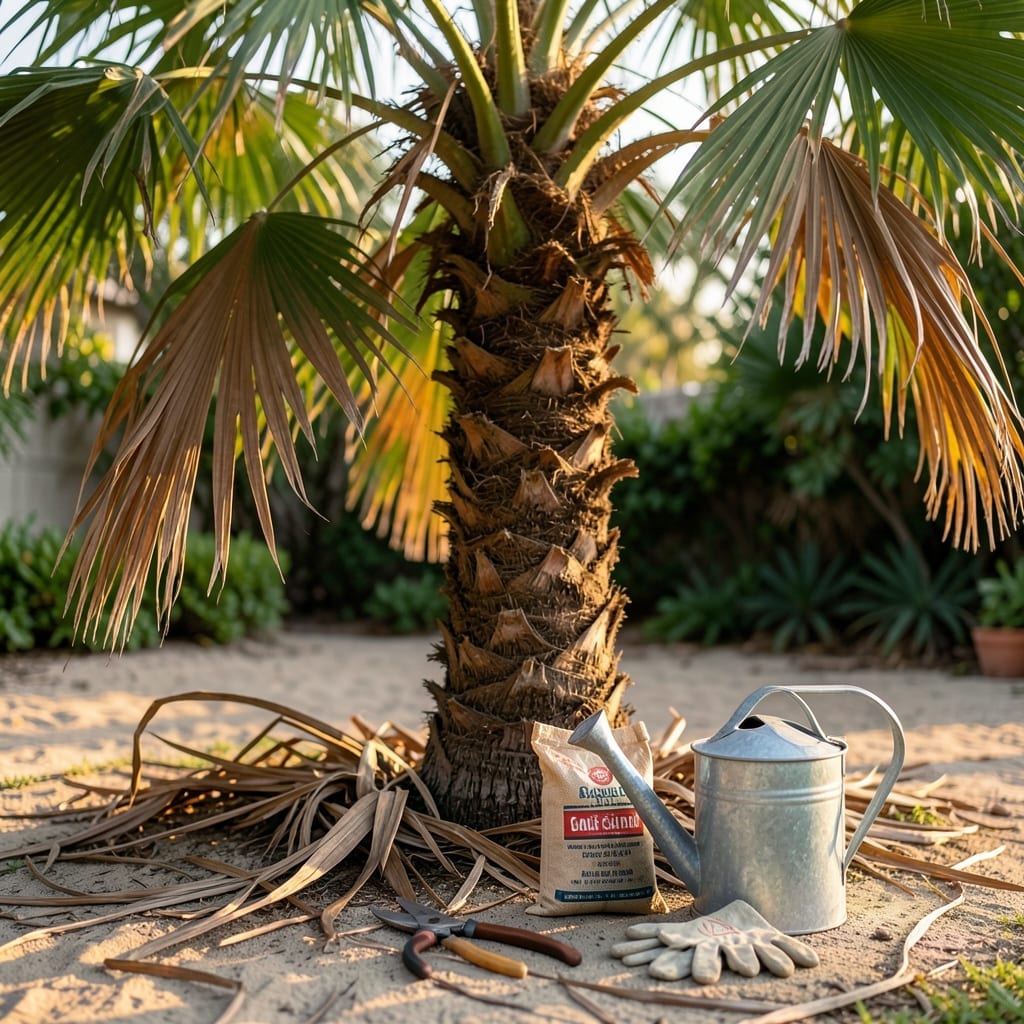
That brown, crispy palm might not be as dead as it looks. I’ve brought back palms that seemed beyond hope by addressing the root cause—usually overwatering or poor drainage.
First, check the trunk and roots for rot or pests. If the center is still firm, there’s a chance. The fix often involves adjusting water, improving soil, or treating for pests.
With the right care, you’ll see new fronds emerging in 4-6 weeks. Recovery isn’t instant, but it’s rewarding when that first green shoot appears.
Prevention is simpler than revival. Once revived, keep the soil well-draining and water only when the top 2-3 inches are dry.
Palm trees can decline for several preventable reasons. Understanding the root causes helps you act fast and effectively. Below are the most common culprits behind a dying or dead palm tree.
Palms are tropical but drown easily. Saturated soil suffocates roots, blocking oxygen uptake. This leads to root rot, a fungal disease that turns roots mushy and black. Signs include yellowing fronds (starting with older ones) and a foul smell from the base. Palms need well-draining soil—sandy or loamy—to thrive.
Palms are heavy feeders, requiring magnesium, potassium, and manganese. A lack of these causes frond discoloration: yellow or brown streaks (magnesium), orange or yellow speckles (manganese), or necrotic leaf tips (potassium). Soil tests reveal imbalances; slow-release palm fertilizers (e.g., 8-2-12 + micronutrients) restore health.
Palm weevils, spider mites, and scale insects drain sap, weakening the tree. Weevil larvae bore into the trunk, causing oozing holes and wilting fronds. Early signs: chewed fronds, sticky residue (honeydew), or white webs. Treat with systemic insecticides (e.g., imidacloprid) and remove heavily infested fronds immediately.
Extreme cold, heat, or sudden temperature swings shock palms. Cold damage (below 32°F) turns fronds brown and crispy. Heat stress (above 100°F) causes water loss, leading to desiccation. Transplant shock (from repotting or relocating) also stunts growth. Acclimate palms gradually and use shade cloth or frost covers in harsh climates.
Fusarium wilt, ganoderma butt rot, and pink rot are deadly palm diseases. Fusarium clogs water-conducting vessels, causing one-sided wilting. Ganoderma appears as a shelf-like fungus at the base, rotting internal tissue. Prevent with fungicide drenches (e.g., thiophanate-methyl) and sterilize pruning tools to avoid spread.
Reviving a struggling palm tree starts with identifying the root cause. Below are targeted fixes for common issues, along with prevention tips to keep your palm thriving. 🌴✨
Fix: Stop watering immediately and let the soil dry out. If the soil is waterlogged, improve drainage by mixing in sand or perlite. For severe cases, repot the palm in fresh, well-draining soil.
Prevention: Water only when the top 1-2 inches of soil are dry. Use pots with drainage holes and avoid saucers that trap water.
Fix: Gradually move the palm to a brighter spot, avoiding direct, harsh sunlight at first to prevent shock. Prune nearby plants or trees blocking light if it’s outdoors.
Prevention: Place indoor palms near south- or west-facing windows. Outdoors, ensure they get at least 6 hours of indirect sunlight daily.
Fix: Isolate the palm and wipe down leaves with a damp cloth to remove pests like spider mites or mealybugs. Apply neem oil or insecticidal soap weekly until the infestation clears.
Prevention: Inspect leaves regularly for early signs of pests. Keep the area clean and avoid over-fertilizing, which can attract bugs.
Fix: Move the palm to a stable environment—indoors if it’s too cold, or to shade if it’s scorching. Trim dead fronds to reduce stress and help the plant focus on recovery.
Prevention: Most palms thrive between 65–85°F. Avoid placing them near drafts, heaters, or AC vents.
Fix: Use a balanced, palm-specific fertilizer (e.g., 8-2-12 with micronutrients) to replenish missing nutrients. Follow the package instructions for dosage and frequency.
Prevention: Fertilize every 2–3 months during the growing season (spring and summer). Flush the soil with water every few months to prevent salt buildup.
With consistent care and these targeted fixes, your palm can bounce back to its lush, green self. Patience is key—some palms take weeks or even months to recover! 💡
Check the trunk for firmness. If it feels solid and green beneath the outer layer, it may still be alive. Brown or mushy tissue means it’s gone.
Stop watering and inspect the roots. If they’re soggy, let the soil dry completely. Trim all dead fronds to redirect energy to healthy growth.
If the trunk is still firm, yes! Cut back all brown fronds and provide proper care. New growth may appear in 4-6 weeks.
Use a palm-specific fertilizer every 2-3 months during growing season. Avoid over-fertilizing, which can stress the plant further.