
Beautiful Plants For Your Interior
Beautiful Plants For Your Interior
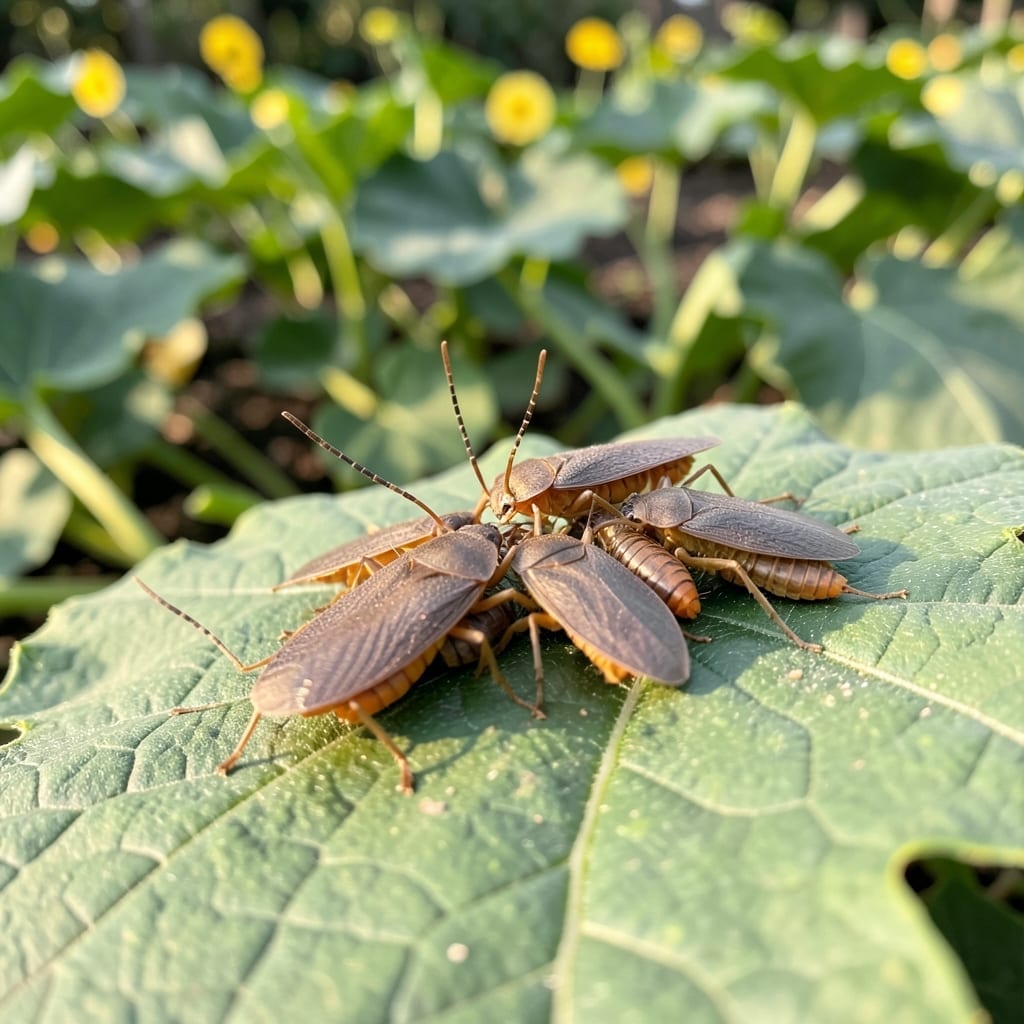
Squash bugs can turn a thriving garden into a battle zone overnight. I learned this the hard way when my zucchini plants wilted before my eyes. These pests are sneaky, hiding under leaves and striking when you least expect it.
The good news? You can fight back with simple, organic barriers and early detection. Row covers, diatomaceous earth, and companion planting disrupt their life cycle before they take over. No harsh chemicals needed.
I’ve tested methods that actually work—like crushing eggs before they hatch and removing plant debris. The key is consistency. Miss a day, and they’ll be back with a vengeance.
Your plants will thank you with healthy vines and a bountiful harvest. Let’s send those squash bugs packing for good.
Squash bugs are a common pest in gardens, and understanding why they appear is the first step to keeping them away. These insects are drawn to squash plants for specific reasons, and addressing these causes can help you prevent infestations before they start.
Squash bugs thrive in warm, sunny environments where cucurbit plants—like squash, pumpkins, and cucumbers—flourish. These plants provide the perfect food source and shelter for squash bugs to lay eggs and multiply. The sap-rich leaves and developing fruits are particularly attractive, as they offer both nourishment and protection for their young.
A cluttered garden with dense foliage and debris creates an ideal hiding spot for squash bugs. Dead leaves, weeds, and thick mulch provide cover from predators and harsh weather, allowing squash bug populations to grow unchecked. Regularly cleaning up garden debris reduces their hiding places and discourages infestations.
Squash bugs are also attracted to moist environments. Overwatering or poor drainage can create damp conditions that these pests love. Additionally, mulch that retains too much moisture can become a breeding ground. Balancing irrigation and ensuring proper drainage can make your garden less appealing to squash bugs.
Squash bugs can wreak havoc on your garden, but these targeted solutions will help you reclaim your plants. Below are actionable fixes for common causes, paired with prevention tips to keep your squash thriving. 🌱
Check the undersides of leaves daily for bronze-colored eggs. Drop them into soapy water or crush them to prevent hatching. Prevention tip: Lay down row covers early in the season to block adults from laying eggs. 💡
Wear gloves and pluck adults off plants in the early morning when they’re sluggish. Drop them into soapy water. For larger infestations, set up cardboard traps: place flat boards near plants overnight—bugs will gather underneath by dawn. Prevention tip: Rotate crops yearly to disrupt their life cycle. ✨
Surround plants with diatomaceous earth or kaolin clay to create a protective barrier that deters bugs. Reapply after rain. Prevention tip: Interplant with repellent herbs like basil, mint, or nasturtiums to confuse pests. 🎯
Remove all plant debris, weeds, and old mulch in late fall to eliminate hiding spots. Till the soil to expose and kill overwintering bugs. Prevention tip: Keep your garden tidy year-round to reduce future infestations. 🌡️
Consistency is key—combine these methods for the best defense against squash bugs!
Nasturtiums, basil, and mint act as natural repellents when planted near squash. Their strong scents confuse pests and mask the attractive smell of your crops.
Inspect leaf undersides in early morning or late afternoon when bugs are less active. Look for bronze-colored clusters and remove them immediately.
Organic barriers like diatomaceous earth often work just as well without harming beneficial insects. Chemicals can be effective but may disrupt your garden’s ecosystem.