
Beautiful Plants For Your Interior
Beautiful Plants For Your Interior
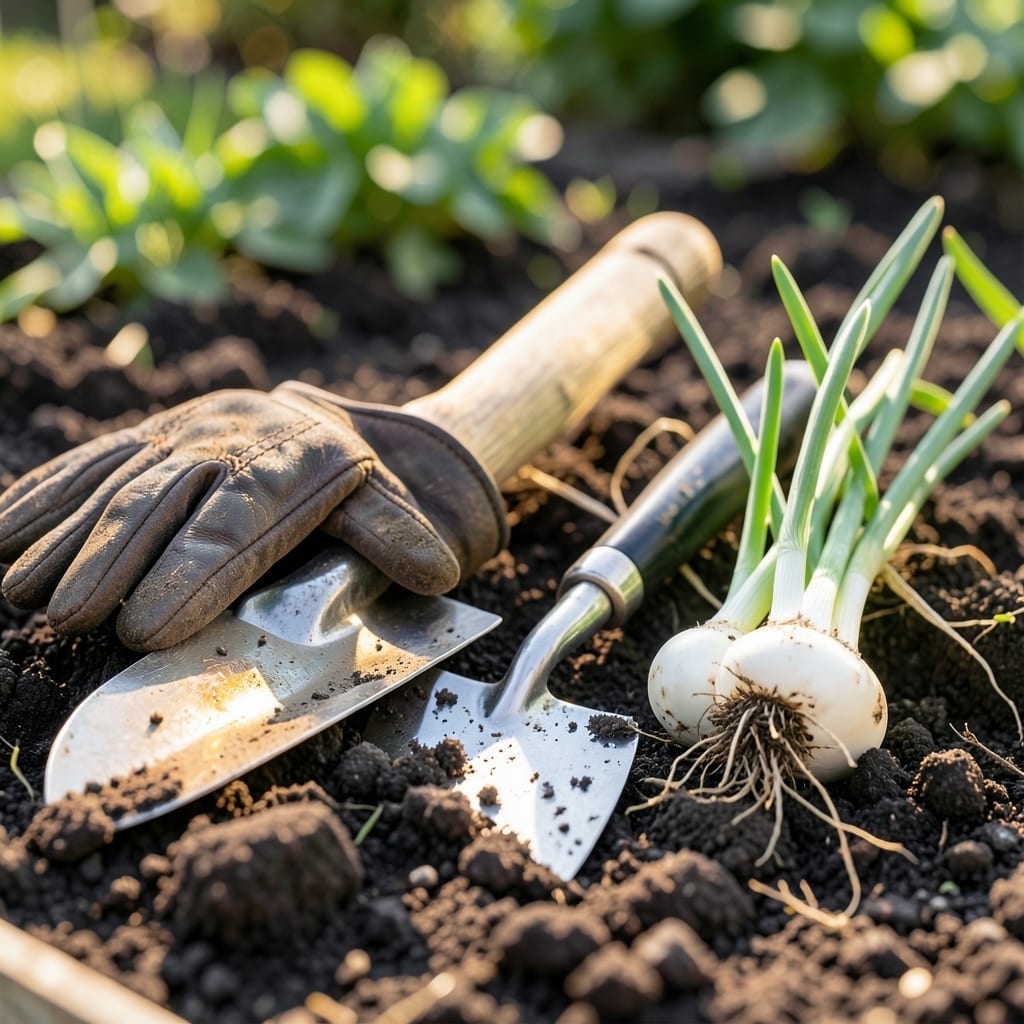
Wild onions turned my lawn into a patchwork of green spikes overnight. I’ve tried ignoring them—big mistake. These stubborn plants spread faster than you can dig, and their underground bulbs laugh at most removal attempts.
Here’s the thing—chemical sprays often backfire, killing grass while onions shrug it off. The real solution combines persistence with the right technique. No fancy tools required, just consistency and a sharp eye for spotting new shoots.
You’ll reclaim your lawn in 2-3 weeks with daily checks and proper digging. The key is removing the entire bulb system, not just the greens. Miss one, and they’re back before you know it.
Works for any lawn size, and the best part? No harsh chemicals near your kids or pets.
Wild onions thrive in lawns due to a few key environmental and biological factors. Understanding these causes helps you tackle the problem at its root. Below are the most common reasons these pesky plants take over your grass.
Wild onions often appear in lawns with thin or weak grass, where bare spots and compacted soil create ideal conditions for their growth. These plants are opportunistic, sprouting in areas where turfgrass struggles due to poor drainage, low fertility, or excessive foot traffic. Their bulbs can lie dormant for years, waiting for the right conditions to emerge.
Unlike many weeds, wild onions reproduce both sexually (via seeds) and asexually (via bulbs). Each plant can produce dozens of tiny bulbs underground, which multiply rapidly. Even if you remove the visible greens, leftover bulb fragments can regrow. Additionally, wind or animals can spread seeds across your lawn, leading to new infestations.
When your lawn lacks dense, healthy grass, wild onions face little competition for sunlight, water, and nutrients. They outcompete weaker turf, especially in shady or dry areas where grass struggles. Overwatering or underwatering can also stress your lawn, giving wild onions an edge.
Mowing too short, using dull blades, or neglecting aeration can weaken your turf and invite wild onions. These plants tolerate close mowing, so if your grass is cut too low, they’ll thrive while your lawn suffers. Inconsistent mowing or herbicide use can also disrupt the grass’s ability to outcompete weeds.
Wild onions can be stubborn, but these targeted solutions will help you reclaim your lawn—without harsh chemicals. Below, we map each common cause to a practical fix, plus prevention tips to keep them from coming back.
If tall grass or neglected areas let wild onions thrive, start by mowing high (3–4 inches) to weaken them. Then, dig out bulbs with a hand trowel or fork, ensuring you remove the entire bulb (even small pieces can regrow). Pro tip: 💡 Do this after rain when soil is soft for easier removal.
Compacted soil traps moisture and nutrients, giving wild onions an edge. Aerate your lawn in early spring or fall to improve drainage and airflow. Follow up with a thin layer of mulch (1–2 inches) to suppress new growth. Note: Avoid thick mulch, which can smother grass.
A thin or patchy lawn leaves space for wild onions to move in. Overseed bare spots with a hardy grass mix and apply a balanced fertilizer to strengthen your turf. Healthy grass outcompetes weeds naturally. Prevention tip: ✨ Test your soil pH—wild onions prefer acidic soil (pH below 6.0). Adjust with lime if needed.
Wild onions reproduce via bulbs and seeds. Pull plants before they flower (usually early spring) to stop seed spread. If bulbs are deep, use a garden knife to pry them out. Pro tip: 🎯 Dispose of bulbs in a sealed bag—not compost—to avoid reinfestation.
Prevention recap: Maintain a dense lawn, aerate annually, and monitor for early signs of wild onions. Consistency is key!
Dig at least 3-4 inches deep to ensure you remove the entire bulb system. Wild onions have underground bulb clusters that can regrow from even small fragments left behind.
Vinegar can kill the visible greens but won’t eliminate the underground bulbs. For complete removal, physical digging is more effective than any household remedy.
Mowing alone won’t stop them. The plants will regrow from bulbs underground, and close mowing may even help them spread by reducing grass competition.
Early spring or fall is ideal. The soil is softer, and plants are actively growing, making removal easier. Avoid summer when soil is hard and bulbs are dormant.