
Beautiful Plants For Your Interior
Beautiful Plants For Your Interior
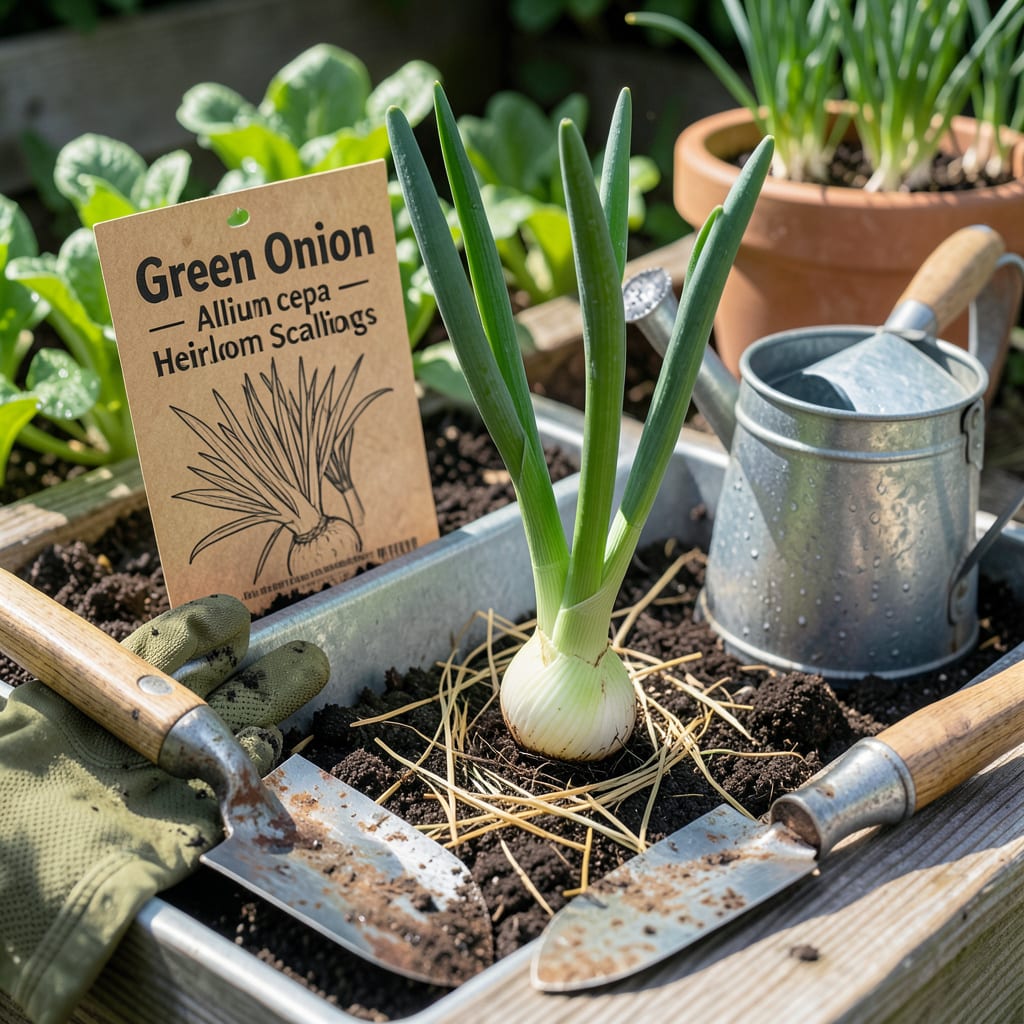
Timing can make or break your green onion harvest—plant too soon and frost might wipe out your crop, wait too long and you’ll miss the best growing window. It’s not just about tossing seeds in the dirt; it’s about working with your climate’s rhythm.
After years of trial and error, I’ve nailed down the perfect planting schedule for continuous harvests, whether you’re in Zone 6 or adjusting for warmer regions. Let’s cut through the guesswork so you can enjoy fresh 🧅 in as little as 6 weeks—no green thumb required.
If you’ve ever wondered why your green onions sometimes sprout unevenly or fail to thrive, the answer often lies in timing and soil temperature. These cool-season crops prefer soil temps between 50°F–75°F, making them perfect for early spring or fall planting. Get it right, and you’ll enjoy fresh harvests in as little as 6–8 weeks!
I’ve found that USDA hardiness zones play a huge role in success. In warmer zones (7–10), you can plant almost year-round, while cooler zones (3–6) require careful timing around frost dates. Let’s break it down by region so you never miss your ideal window again.
| Zone | Spring Planting | Fall Planting | Notes |
|---|---|---|---|
| 3–5 | 4–6 weeks before last frost | August–September | Use row covers if frost threatens. |
| 6–7 | March–April | September–October | Succession plant every 3 weeks for continuous harvests. |
| 8–10 | February–March | October–November | Can overwinter in mild climates. |
*Adjust dates based on local last frost and soil temperature.
For spring planting, aim to sow seeds 2–4 weeks before your last frost date. In Zone 6, that’s typically mid-March to early April. The soil should be workable and at least 50°F—test with a soil thermometer if you’re unsure. I like to warm my soil with black plastic mulch a week before planting.
Fall planting is my favorite for sweeter, milder onions. Start seeds 8–10 weeks before your first frost so they mature before cold weather hits. In Zone 7, that means planting in late August or early September. A light frost won’t hurt green onions, but hard freezes will stall growth.
If you’re in Zones 8–10, you’re lucky! Green onions thrive as a winter crop. Plant in fall for winter harvests, or even in late winter for spring pickings. Just watch for bolting (premature flowering) in hot weather—provide afternoon shade if temps exceed 80°F.
For year-round harvests, try succession planting: sow a new batch every 3–4 weeks during the growing season. I keep a small section of my garden dedicated to green onions and replant as soon as I harvest a batch. This way, I always have fresh onions ready for snipping.
Don’t forget about soil prep! Green onions love loose, well-draining soil with plenty of organic matter. Work in 2–3 inches of compost before planting, and avoid heavy clay soils that can stunt growth. A pH of 6.0–7.0 is ideal—test your soil if you’re unsure.
If you’re short on space, green onions grow beautifully in containers. Use a pot at least 6 inches deep with drainage holes, and place it where it’ll get 6+ hours of sun. I’ve grown them on my patio in window boxes with great success—just keep the soil moist!
Finally, remember that green onions are fast growers. You’ll see sprouts in 7–14 days, and they’ll be ready to harvest in 60–80 days. Cut them 1 inch above the soil, and they’ll often regrow for a second or even third harvest. Now that’s what I call a low-effort, high-reward crop! 🌱
Once you’ve nailed the perfect planting time, the next step is getting your green onions off to a strong start in the soil. I’ve learned that even the best timing won’t help if the soil isn’t prepped correctly or seeds aren’t planted at the right depth. Let’s walk through the key steps to ensure a bountiful harvest.
Start with well-draining, loose soil—green onions despise soggy roots. I recommend working in 2–3 inches of compost or aged manure to boost fertility. Aim for a soil pH of 6.0–7.0; a simple soil test kit can save you from guesswork. If your soil is heavy clay, mix in some sand or perlite to improve drainage.
✅ Pro tip: For faster results, soak seeds in lukewarm water for 2 hours before planting to speed up germination.
Green onions thrive in full sun (6+ hours/day), but they’ll tolerate partial shade, especially in hot climates where afternoon sun can scorch tender leaves. If you’re planting in containers, choose a pot at least 6 inches deep and place it in a sunny spot like a south-facing window or patio.
Spacing matters more than you might think. Crowded onions compete for nutrients, resulting in thin, weak stalks. I’ve found that 2–4 inches between plants strikes the perfect balance—close enough for efficiency but with room to bulk up. For bunching onions, you can plant slightly closer (1–2 inches apart) if you plan to harvest young.
Watering is where many gardeners go wrong. Green onions need consistent moisture—about 1 inch per week—but they hate waterlogged soil. I water my onions every 5–7 days in well-draining soil, adjusting for rain. Use a soaker hose or drip irrigation to keep foliage dry and prevent disease.
Don’t overlook companion planting! Green onions grow well alongside carrots, lettuce, and tomatoes, which help deter pests like onion flies. Avoid planting near beans or peas, as they can stunt each other’s growth. I like to interplant onions with marigolds to repel nematodes naturally.
With the right care, you’ll be harvesting in 60–80 days. Cut onions 1 inch above the soil, and they’ll often regrow for a second or third harvest. Now that’s what I call a low-maintenance, high-reward crop! 🪴
Even with perfect timing, small mistakes can sabotage your green onion crop. After years of growing these versatile plants, I’ve seen three critical errors that gardeners make—often without realizing it. The good news? They’re all easy to fix once you know what to watch for.
First up: overcrowding. It’s tempting to plant seeds close together for a bigger harvest, but crowded onions compete for nutrients and sunlight. The result? Thin, weak stalks instead of plump, flavorful ones. I learned this the hard way my first season—my onions looked more like chives!
💡 Quick fix: Use a seed tape or marked ruler to space seeds perfectly every time.
The second mistake is ignoring soil moisture. Green onions need consistent dampness—not soggy, but never bone-dry. I check my soil daily in hot weather, watering when the top inch feels dry. A drip irrigation system on a timer takes the guesswork out of this.
Third, many gardeners plant seeds too deep. Green onion seeds are tiny and need light to germinate. Bury them more than ½ inch deep, and you’ll wait weeks longer for sprouts—or worse, get patchy germination. I use a light sprinkling of soil over seeds, then gently press them in.
Here’s a bonus tip: don’t skip the soil prep. Green onions hate compacted or clay-heavy soil. Before planting, I loosen the soil to 8–12 inches deep and mix in compost. This ensures good drainage and root development. If your soil is poor, consider raised beds—they’re a game-changer for onions.
Finally, watch for bolting (premature flowering), which happens when onions get stressed by heat or inconsistent care. Once they bolt, the stalks turn tough and bitter. To prevent this, plant in cool seasons and provide afternoon shade in hot climates. With these fixes, you’ll grow the best green onions of your life! 🌱
Place them near a south-facing window where they’ll get 6+ hours of sunlight daily. Use a pot at least 6 inches deep with well-draining soil.
Indoor onions grow slower than outdoor ones, so expect harvests in 8–10 weeks. Keep soil consistently moist but not soggy, and rotate the pot weekly for even growth.
Late planting often leads to smaller, weaker stalks or premature bolting (flowering). In cool zones, they may not mature before frost hits.
If you’ve missed the window, try container growing indoors or in a greenhouse. For fall planting, aim for 8–10 weeks before first frost to ensure maturity.
Use a soil thermometer to check temps at 1-inch depth—ideal range is 50°F–75°F. Morning readings are most accurate.
No thermometer? Test by planting a few seeds. If they sprout in 7–10 days, conditions are good. Cold soil delays germination or causes rot.
Yes! Place the root-end (white bulb) in water for 3–5 days until new growth appears. Then transplant to soil 1 inch deep.
This method works best with organic onions (less treated). Regrowth may be thinner than seed-grown plants but perfect for quick harvests.
Flopping usually means overwatering or weak roots from poor soil. Let soil dry slightly between waterings, and ensure your bed has good drainage.
Thin seedlings to 2 inches apart early on. A light nitrogen fertilizer (like fish emulsion) can strengthen stems if applied at half-strength.
