
Beautiful Plants For Your Interior
Beautiful Plants For Your Interior
Neem oil can be a plant saver—until it isn’t. I’ve seen firsthand how that sticky residue can clog pores, burn leaves, and leave plants struggling for weeks. The good news? You can fix this without fancy equipment or harsh chemicals. Three simple steps and some household supplies are all it takes to restore your plants. […]
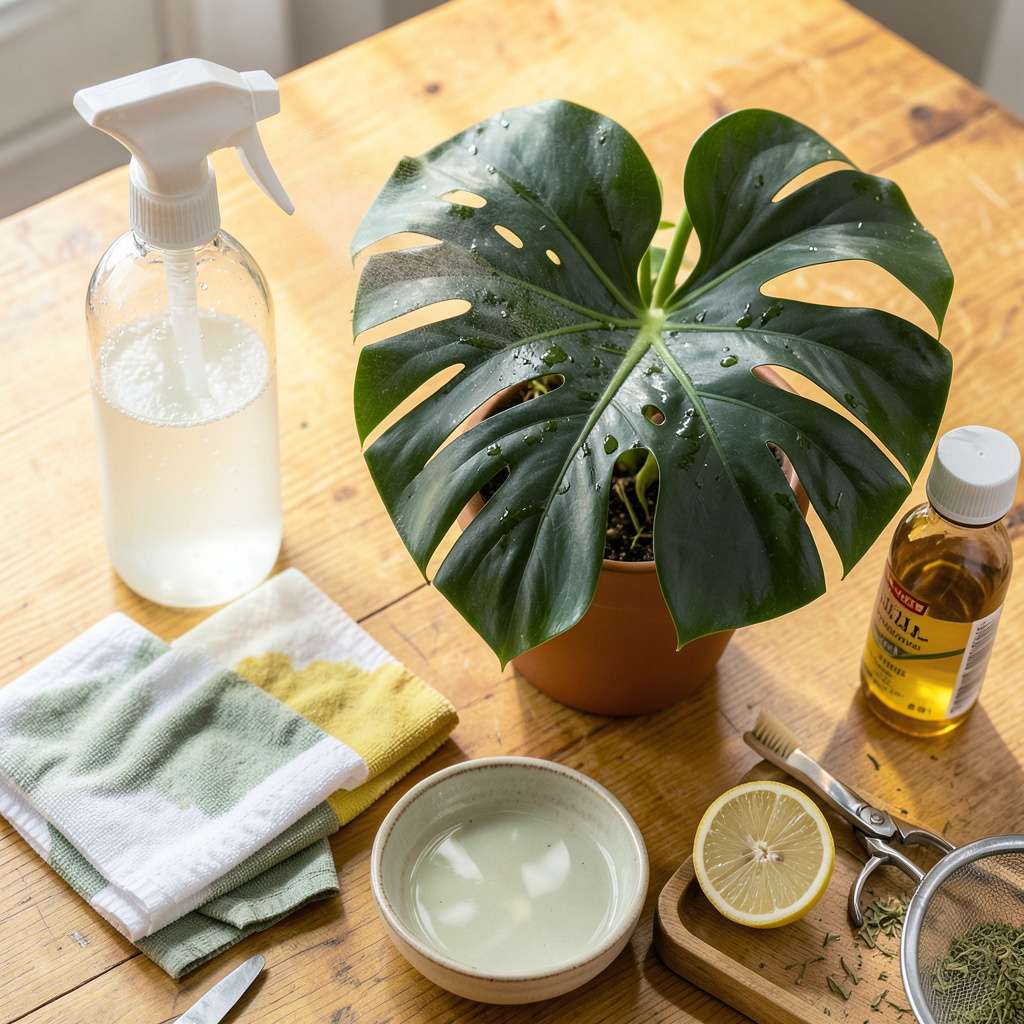
Neem oil can be a plant saver—until it isn’t. I’ve seen firsthand how that sticky residue can clog pores, burn leaves, and leave plants struggling for weeks. The good news? You can fix this without fancy equipment or harsh chemicals. Three simple steps and some household supplies are all it takes to restore your plants.
Here’s the thing—most people panic and grab the nearest spray bottle, but that often makes things worse. I learned the hard way that timing and technique matter more than elbow grease. Whether you’re dealing with a light dusting or a heavy coating, the process works the same way. You’ll need patience and a gentle touch, but the results are worth it.
Your plants will show improvement within 24-48 hours of proper cleaning. Leaves breathe easier, new growth comes in clean, and that sticky film disappears completely. I’ve rescued everything from delicate ferns to broad-leafed tropicals using this method—no plant left behind.
Works for indoor collections, patio containers, and garden beds alike. The key is acting quickly before the oil does lasting damage. Let’s get those plants breathing again.
📚 In This Guide
When neem oil residue lingers, your plants can’t breathe properly—here’s how to fix it safely and quickly.
First, examine your plants under bright light to determine how Much Neem Oil Per 16 oz Water: Accurate Mixing Ratios for Effective Pest Control”>much neem oil residue remains. You’ll see it as a thin, sometimes sticky film on leaf surfaces. Check both the tops and undersides of leaves, as well as stems—neem oil often collects in crevices where pests hide.
Move your plant to a sink, bathtub, or outdoor workspace where you can control water drainage. Lay down a towel or plastic sheet to catch runoff. I always work with lukewarm water because cold water can shock stressed plants, while hot water may damage leaves.
If you’re working outdoors, choose a shady spot. Direct sunlight on wet leaves with neem oil residue can cause burning. You’ll want to complete this process during the cooler parts of the day—early morning or late afternoon works best.
Fill a spray bottle with 1 quart of lukewarm water and add 1 teaspoon of mild liquid soap (I use Castile soap). Shake gently to mix without creating too many suds. The soap helps break down the oily residue without harming the plant.
Spray the solution lightly onto a few leaves first as a test. Wait 5-10 minutes to check for any adverse reaction like wilting or discoloration. If the leaves look normal, proceed to spray the entire plant, focusing on areas with visible residue.
Using your fingers or a soft microfiber cloth, gently wipe each leaf from base to tip. Don’t rub aggressively—you’re removing residue, not polishing. For plants with many small leaves (like herbs), a soft-bristled toothbrush works well to reach tight spaces.
After washing, rinse the plant thoroughly with clean, lukewarm water. I use a handheld showerhead on the gentlest setting or a watering can with a fine rose attachment. Direct the water flow to wash away all soap residue—left behind, it can attract dust and block stomata.
Pay special attention to the undersides of leaves and where leaves meet stems. These areas often trap both neem oil and soap. Continue rinsing until water runs clear off the leaves and no suds remain in the drainage water.
Let the plant drip dry in a well-ventilated area with indirect light. Avoid placing it in direct sun until completely dry, which typically takes 2-4 hours depending on humidity. You’ll know it’s fully dry when leaves return to their normal texture and color.
Wait 24-48 hours before applying any other treatments. This gives the plant time to recover from the washing process. Watch for signs of stress like drooping or yellowing—most plants bounce back within a day if done correctly.
After helping hundreds of gardeners rescue their plants from neem oil buildup, I’ve learned what truly makes the difference between success and stress.
Water Temperature Matters: The instructions mention using lukewarm water, and this isn’t just a suggestion. Cold water can shock already stressed plants, while hot water may scald leaves that are coated with neem oil. I always test the water on my wrist first—it should feel comfortably warm, like bathwater. This gentle approach helps plants recover faster without adding more stress during the cleaning process.
The Waiting Game in Step 2: Those 5-10 minutes after spraying the soap solution aren’t just downtime—they’re critical. This waiting period lets the soap break down the oily residue without you having to scrub aggressively. I’ve found that erring on the longer side (closer to 10 minutes) works better for heavy buildup, but never exceed this time as prolonged soap exposure can damage plant tissues.
Drying Details Most Miss: The 2-4 hours drying time in Step 3 isn’t just about waiting—it’s about creating the right environment. I place plants in front of a gentle fan (on low) to improve air circulation, which helps prevent fungal issues that can develop on damp leaves. Just be sure to keep the fan at least 3 feet away to avoid causing wind damage to the recovering foliage.
Post-Cleaning Observation: During that 24-48 hour recovery window, watch for subtle signs of improvement. Healthy plants will start to perk up within 12 hours, with leaves regaining their normal posture and color. If you notice any leaves still looking droopy after 24 hours, they may have been too heavily coated with neem oil and might need to be removed to protect the rest of the plant.
Neem oil typically breaks down within 1–3 days under sunlight and rain, but residue may linger longer in cool or dry conditions. For faster removal, rinse leaves with water and mild soap. Avoid harsh scrubbing—delicate plants (like ferns or seedlings) need gentle handling to prevent damage.
Wait at least 2–4 hours (or overnight for best results) to let the oil work against pests. If you notice leaf burn or excessive residue, rinse immediately with lukewarm water. Pro tip: Test a small area first if your plant is sensitive!
For veggies/herbs, use a baking soda solution (1 tsp per quart of water) or plain water with a soft cloth. Rinse thoroughly and wait 3–5 days before harvesting. Avoid dish soap—it can leave toxic residues. Organic insecticidal soap is a safer alternative for stubborn spots.
Sticky residue usually means overapplication or poor mixing. Dilute neem oil properly (follow label ratios!) and apply in early morning/evening to avoid heat stress. If stickiness persists, wipe leaves with a damp microfiber cloth and adjust future sprays.
Try horticultural oil (for pests) or insecticidal soap (for soft-bodied bugs). For fungal issues, copper fungicide or baking soda sprays work well. Always patch-test new products! Bonus: Ladybugs and lacewings are natural predators that reduce pest reliance.
Removing neem oil from your plants doesn’t have to be stressful! With the right gentle techniques—like rinsing, wiping, or using mild soap—you can restore your plant’s health without harm. Remember, prevention (like testing sprays first) is always easier than cleanup. 🌿
Now that your plants are fresh and residue-free, why not give them a little extra love? Check their soil moisture, prune any damaged leaves, or even treat them to a light fertilizer boost. Happy gardening!
