
Beautiful Plants For Your Interior
Beautiful Plants For Your Interior
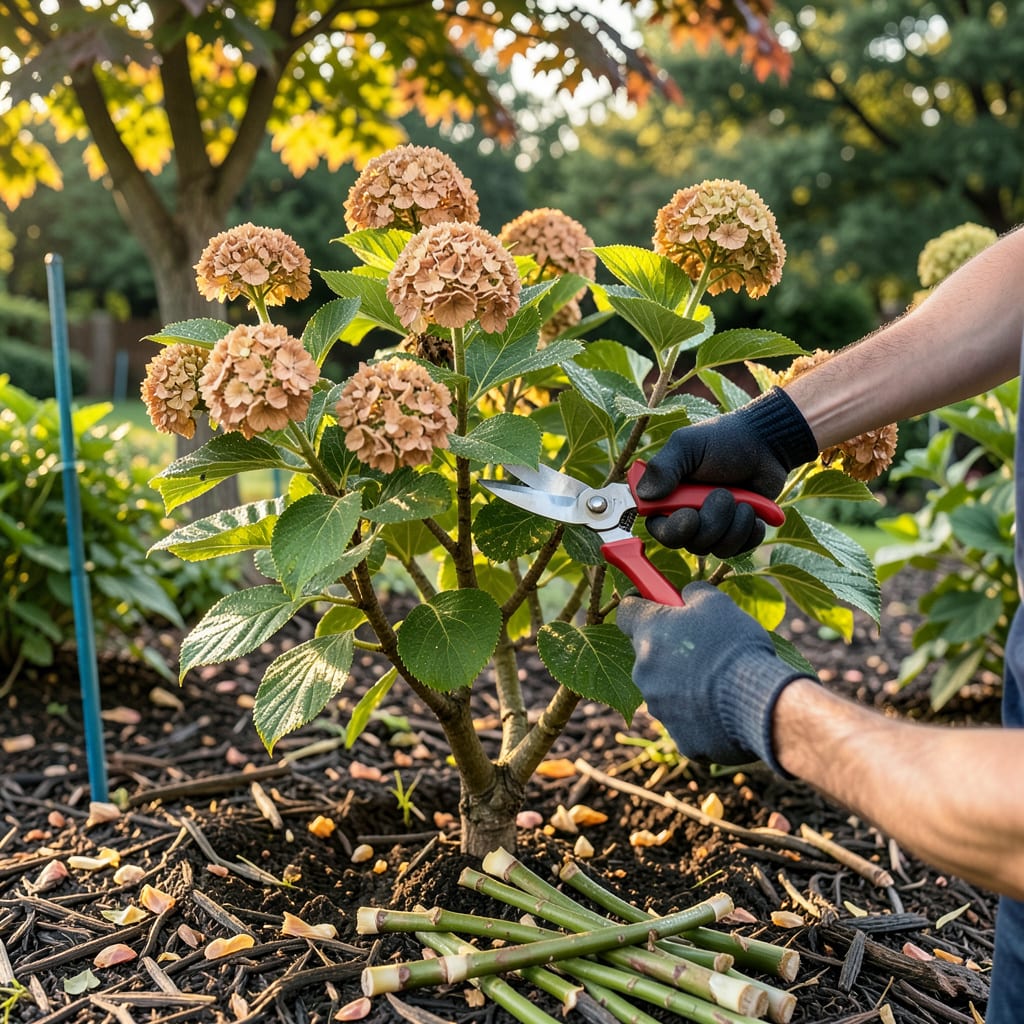
I used to dread pruning my hydrangea tree—until I realized it was the secret to those jaw-dropping summer blooms. Pruning isn’t just about shaping; it’s about redirecting energy to where it matters most: bigger, bolder flowers and a healthier plant. Timing is everything—do it too late, and you risk cutting off next year’s buds. Do it right, and you’ll be rewarded with a tree that looks like it belongs in a magazine.
The first time I pruned mine, I made every mistake in the book—until I learned the foolproof method. It’s not about hacking away blindly; it’s about making three strategic cuts that encourage new growth while keeping the tree’s natural shape. Whether you’re working with a leggy panicle hydrangea or a compact oakleaf, the principles stay the same. Stick with me, and you’ll never fear those shears again.
📚 In This Guide
Here’s the method I use every year to keep my hydrangea trees healthy and covered in blooms.
Timing is everything with hydrangea trees. For varieties that bloom on old wood (like oakleaf and bigleaf), prune immediately after flowering—usually late summer. If you wait until spring, you’ll cut off this year’s flower buds. For panicle hydrangeas that bloom on new wood, late winter or early spring works best.
Check your specific variety if unsure. I mark my calendar right after the last blooms fade so I don’t forget. You’ll see the difference next season—proper timing means more flowers, not fewer.
Start by cutting out any dead, diseased, or crossing branches. Use sharp bypass pruners to make clean cuts at a 45-degree angle, about 1/4 inch above a healthy bud. This prevents water from pooling on the cut surface, which can lead to rot.
Look for branches that rub against each other—they create wounds that invite pests. I also remove any thin, weak growth from the center of the plant to improve air circulation. You’ll feel the plant’s structure become more open as you work.
For tree-form hydrangeas, select 3-5 strong main stems to keep as your framework. Cut back the remaining stems to the base. On the main stems, prune just above a pair of healthy buds—this is where new flowering branches will emerge.
I aim to remove about 1/3 of the oldest stems each year. This rejuvenates the plant without shocking it. You’ll notice the difference in bloom size and stem strength by mid-summer.
After pruning, clear all debris from around the base of the plant. I use a light hand with fertilizer at this stage—a balanced 10-10-10 applied after new growth appears is plenty. Water deeply to help the plant recover from the pruning stress.
Watch for new shoots emerging from the base—these are your future flowering stems. If you see suckers growing from below the graft (common in tree forms), remove them immediately. They’ll steal energy from the main plant.
Keep an eye on your hydrangea as it grows. If you notice any branches growing inward or crossing others, prune them back lightly. I also pinch back the tips of new growth in early summer to encourage bushier growth and more flower sites.
By mid-summer, you should see flower buds forming. If some branches aren’t producing buds, they might need more aggressive pruning next year. The key is consistent, thoughtful pruning—your hydrangea will reward you with years of spectacular blooms.
Pruning hydrangea trees doesn’t have to be intimidating—these practical insights will help you avoid common mistakes and get the most blooms.
Timing Precision: The difference between a bush full of flowers and one with sparse blooms often comes down to when you prune. For old-wood bloomers like oakleaf and bigleaf varieties, that late summer window right after flowering is non-negotiable. I learned this the hard way after accidentally pruning my ‘Alice’ oakleaf in spring and getting no blooms that year. For panicle hydrangeas, that late winter or early spring timing gives new growth time to develop flower buds. Mark your calendar immediately after blooms fade—this simple habit prevents timing mistakes.
Cutting Technique: The 45-degree angle cut mentioned in Step 2 isn’t just for looks—it’s functional. This angle allows water to run off rather than pool on the cut surface, which prevents rot. I use a permanent marker to draw a faint line on my pruners at the 1/4 inch mark so I consistently cut the right distance above buds. Sharp bypass pruners make cleaner cuts than anvil pruners, which can crush stems and create entry points for disease.
Structural Approach: When selecting your 3-5 main stems in Step 3, think about the tree’s future shape. Choose stems that are well-spaced around the trunk rather than clustered on one side. This creates better balance and prevents the tree from becoming lopsided over time. I also look for stems with varying heights—this creates a more natural, layered appearance as the tree matures. Removing exactly one-third of the oldest stems each year keeps the plant rejuvenated without removing too much flowering potential.
Seasonal Monitoring: The work doesn’t end after pruning. Throughout the growing season, I make it a habit to do a quick walk-around inspection every two weeks. In early summer, I look for branches that are growing inward or crossing others and remove them immediately. This prevents the kind of congestion that leads to poor air circulation and disease. When I see new growth tips in late spring, I pinch back about one-inch of the soft growth—this simple step doubles my flower sites by creating branching.
Timing depends on the variety! For Hydrangea paniculata (like ‘Limelight’), prune in late winter or early spring before new growth starts. For Hydrangea arborescens (like ‘Annabelle’), prune in late winter while dormant. Avoid fall pruning—it can remove next year’s blooms!
No—if done correctly! Hydrangeas are resilient, but never remove more than ⅓ of the plant in one session. Avoid cutting thick, woody stems at the base (unless dead). Over-pruning can stress the plant, so stick to light shaping and deadwood removal.
Tree-form hydrangeas (standard) have a single trunk and a defined “head.” Prune just above a bud to maintain shape, avoiding cuts below the graft (the swollen base). Bush types can be pruned more freely for size control. Focus on thinning, not topping!
likely pruned at the wrong time or too aggressively! Some hydrangeas bloom on old wood (last year’s growth), so late pruning removes flower buds. If it’s a paniculata, check for frost damage or over-fertilizing (too much nitrogen = leaves, no blooms). Wait a season—it may rebound!
For light deadheading, yes—just pinch spent blooms with your fingers. But for thicker stems or shaping, use clean, sharp bypass pruners (or loppers for large branches). Dull tools crush stems, inviting disease. Pro tip: Wipe blades with rubbing alcohol between cuts!
