
Beautiful Plants For Your Interior
Beautiful Plants For Your Interior
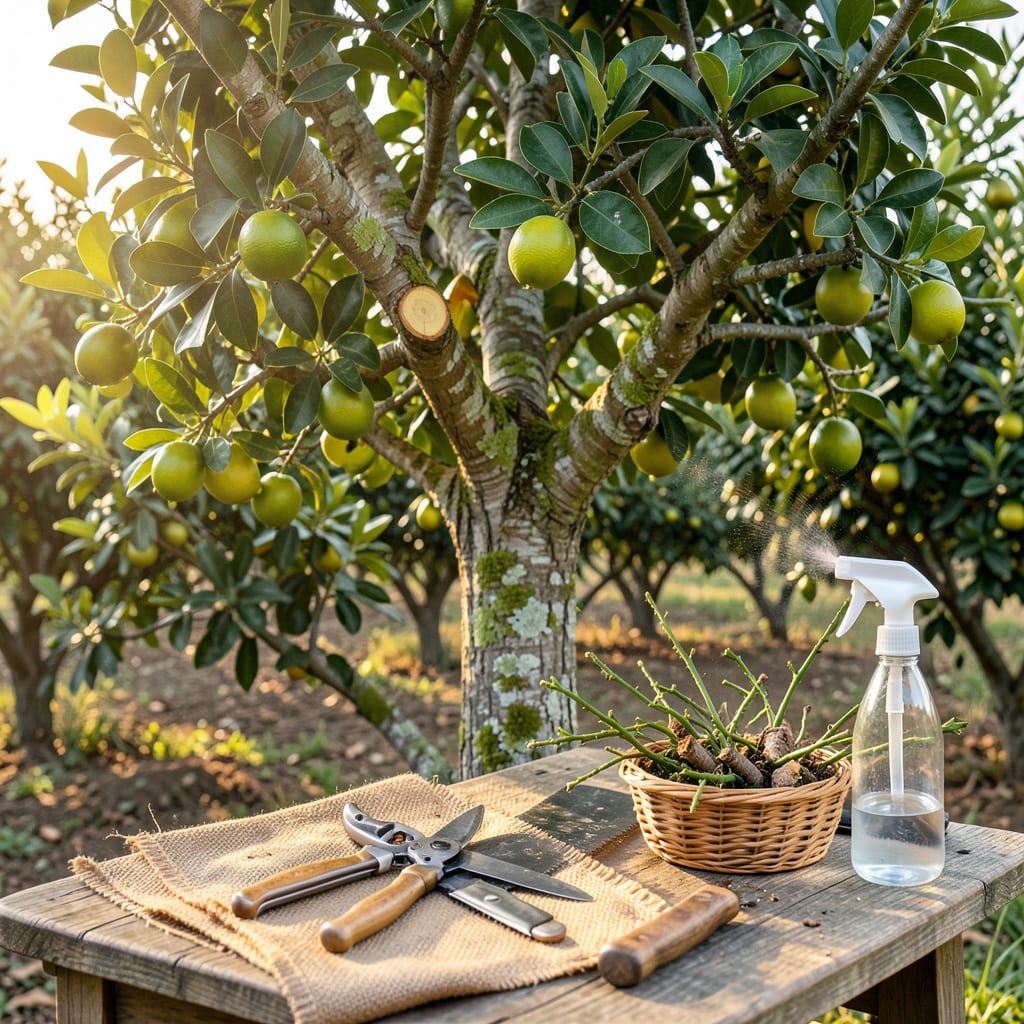
That first time I pruned my lime tree, I nearly ruined it. What looked like aggressive cuts actually became the turning point—next season, we had twice the fruit and healthier growth than ever. Pruning isn’t about hacking away; it’s about guiding your tree to focus energy where it matters most: strong branches and abundant limes.
Timing and technique make all the difference. Do it right after harvest but before new spring growth, and you’ll avoid stressing the tree. I’ll walk you through exactly which branches to remove (and which to leave), plus the simple tools that make clean cuts effortless. No guesswork, just a foolproof method for a thriving lime tree.
📚 In This Guide
Pruning your lime tree doesn’t have to be intimidating—here’s how I approach it to maximize both health and fruit production.
Late winter or early spring, just before new growth starts, is ideal for pruning lime trees. This timing allows the tree to heal quickly while minimizing stress. I always use sharp bypass pruners (not anvil-style) and a pruning saw for thicker branches. Clean your tools with rubbing alcohol first to prevent disease spread.
Look for a day when temperatures are above 50°F and avoid pruning during wet weather. Wet conditions increase the risk of fungal infections entering through fresh cuts. A dry, mild day gives your tree the best chance to recover smoothly.
Start by cutting out any dead or diseased wood first. Dead branches will be dry, brittle, and grayish in color. Diseased wood often shows discoloration, oozing sap, or fungal growth. Make clean cuts at a 45-degree angle just outside the branch collar (the swollen area where the branch meets the trunk).
Next, remove branches that cross or rub against each other. These create wounds that invite pests and diseases. Also eliminate any suckers growing from the base or water sprouts shooting straight up. These vigorous but unproductive growths drain energy from fruit production.
Selectively remove about 20-30% of the inner branches to open up the canopy. Focus on cutting branches that grow inward toward the center of the tree. This improves air circulation, which reduces fungal problems, and allows sunlight to reach the inner branches where fruit develops.
When thinning, make cuts where the branch meets a larger limb or the trunk. Avoid leaving stubs, as these can become entry points for rot. Step back frequently to assess your progress—the goal is a balanced, open structure that lets light penetrate evenly.
Lime trees naturally grow in a rounded shape, so work with this tendency. Shorten overly long branches by cutting just above an outward-facing bud. This encourages the tree to grow in a more open, vase-like shape that allows sunlight to reach all parts of the canopy.
Avoid heavy pruning of fruit-bearing branches unless necessary. Instead, make selective cuts to redirect energy. Remove about one-third of last year’s growth on productive branches to stimulate new fruiting wood. Always leave some mature branches, as these will produce the next crop of limes.
After pruning, remove all cut material from around the tree. Diseased wood should be destroyed (not composted) to prevent reinfection. Healthy cuttings can be chipped for mulch or disposed of. Apply a thin layer of compost around the base of the tree to support recovery, but keep it 6 inches away from the trunk to prevent rot.
Monitor your tree over the next few weeks. New growth should appear within 4-6 weeks, indicating healthy recovery. Water deeply once a week if rainfall is insufficient, and watch for signs of stress like wilting or leaf drop. A well-pruned lime tree will reward you with vigorous growth and abundant fruit in the coming season.
Pruning can feel overwhelming at first, but these practical insights will help you avoid common pitfalls while getting the best results from your lime tree.
Timing Precision: The guidance in Step 1 about pruning when temperatures are above 50°F isn’t arbitrary—this threshold ensures the tree’s cambium layer (the growth tissue just under the bark) is active enough to heal properly. I’ve found that pruning in late morning on a dry day gives the cuts several hours of sunlight to begin drying before evening moisture sets in. This simple timing adjustment reduces fungal risks significantly.
Cutting Technique: When making those 45-degree angle cuts mentioned in Step 2, here’s what nobody tells you—the angle isn’t just for aesthetics. This specific slope allows water to run off the cut surface rather than pooling, which prevents rot. I like to visualize the cut as a tiny roof over the branch collar. Also, resist the urge to paint cuts with sealant; modern research shows this can actually trap moisture and encourage decay.
Canopy Assessment: The 20-30% thinning recommendation in Step 3 is easier to judge than you might think. Here’s my trick: After each cut, step back and look up through the canopy. When you can see about 60-70% of the sky through the inner branches (not just the outer edges), you’ve hit the sweet spot. This visual test works better than counting branches and ensures proper light penetration for fruit development.
Recovery Monitoring: The 4-6 week timeline for new growth in Step 5 is your tree’s report card. If you don’t see buds swelling by week 4, don’t panic—but do investigate. Check that you left enough foliage (never remove more than one-third of the total canopy in a single year) and that the tree is getting adequate water. I’ve found that a light application of balanced fertilizer about 3 weeks after pruning gives the tree an extra boost during this recovery period.
The ideal time is late winter or early spring (just before new growth starts). Avoid pruning in fall or extreme heat—this stresses the tree and invites pests. In frost-prone areas, wait until the last frost passes.
Yes, but never remove more than 30% of the canopy in one season. Spread major pruning over 2–3 years to avoid shock. Focus on dead/diseased branches first, then shape. Heavy pruning may delay fruiting temporarily.
Both are citrus, but limes are more sensitive to cold—avoid winter pruning in cooler zones. Limes also grow denser; thin inner branches more aggressively for airflow. Lemons tolerate harder pruning but regrow slower. vs.
Check for:
Yes! Try:
