
Beautiful Plants For Your Interior
Beautiful Plants For Your Interior
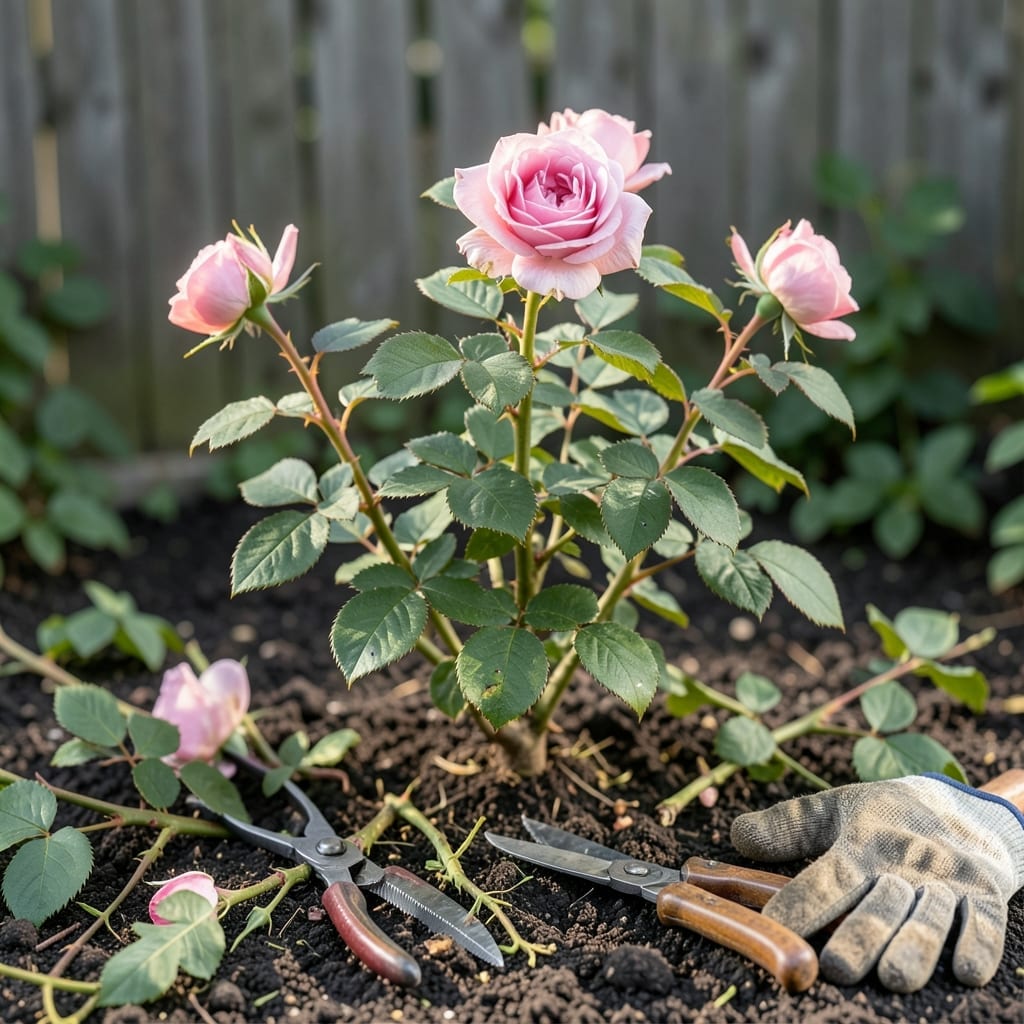
Trimming a rose bush the right way can transform your garden from ordinary to extraordinary. I’ve seen firsthand how proper pruning turns struggling plants into vibrant showstoppers.
The timing and technique make all the difference for your 🌹 Rose Bush. Whether you’re a beginner or seasoned gardener, mastering this skill will reward you with healthier growth.
In Zone 6, early spring presents the perfect window to shape your plants. I’ll walk you through the essential steps that most gardeners overlook.
Discover how to avoid common mistakes that can stunt your rose bush’s potential. These proven methods will help you achieve the lush, blooming garden you’ve always wanted.
I know pruning a rose bush can feel intimidating, but with the right approach, it becomes a rewarding task. The best time is in late winter or early spring, just before new growth starts.
Start by gathering sharp bypass pruners, long-handled loppers, and thick gardening gloves to protect your hands from thorns. Always disinfect your tools to prevent disease spread between plants.
When shaping your rose bush, focus on creating an open vase shape. This allows sunlight and air circulation to reach the center, reducing the risk of fungal diseases.
For hybrid tea roses, I recommend leaving 3-5 strong canes with 4-6 buds each. Floribunda roses can handle a slightly heavier prune, as they bloom on both old and new wood.
If you’re working with climbing roses, be gentle. These bloom on old wood, so only remove dead or weak canes and avoid heavy pruning until after the first bloom cycle.
Always cut at a 45-degree angle about 1/4 inch above a healthy bud. This angle helps water run off instead of pooling, which could cause rot. Make sure your cut is clean and smooth.
After pruning, give your roses a balanced fertilizer to support new growth. I use a 10-10-10 formula and water deeply to help the plant recover from the stress of pruning.
Remember, consistency is key. Regular pruning keeps your rose bushes healthy, encourages stronger stems, and results in more abundant blooms throughout the growing season. ✂️
Even experienced gardeners can make pruning mistakes that harm their rose bushes. One of the biggest errors is cutting at the wrong time, which can reduce blooming or stress the plant. 🌹
Another common issue is using dull tools, which can tear stems instead of making clean cuts. Always disinfect your pruners between plants to prevent disease spread.
⚠️ Warning: Avoid These Pruning Pitfalls
I’ve seen many gardeners leave stubs when cutting, which can lead to dieback. Always cut 1/4 inch above a healthy bud at a 45-degree angle to encourage proper healing.
Another mistake is neglecting to remove suckers—those wild shoots from the base. These steal energy from the main plant and should be cut at the source as soon as you spot them.
Thick growth in the center can block sunlight and air. I always open the center of my rose bushes by removing crossing branches to improve circulation and reduce disease risk.
Finally, remember that different rose types have unique needs. Climbing roses need different treatment than hybrid teas, so always check your variety’s specific requirements. ✂️