
Beautiful Plants For Your Interior
Beautiful Plants For Your Interior
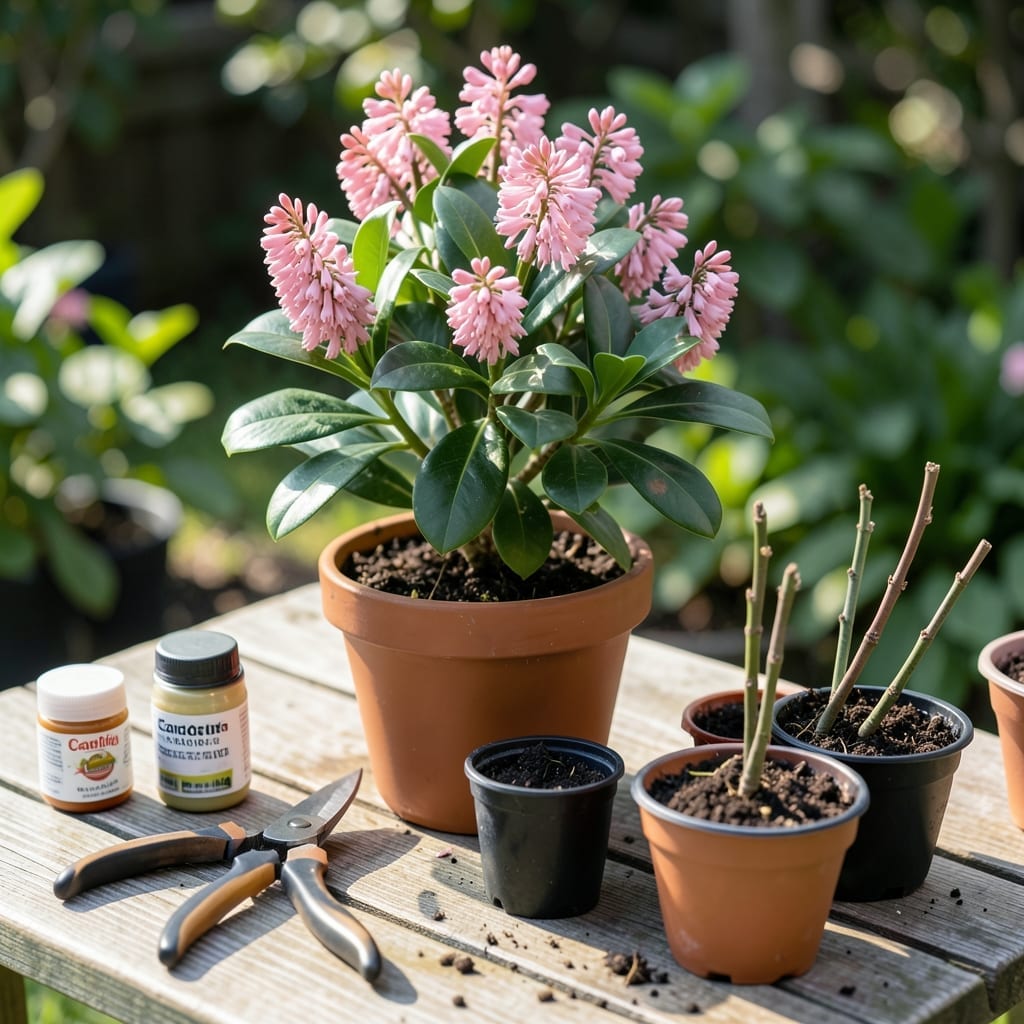
Propagating Daphne can feel like a gardening puzzle with its slow rooting and delicate nature. But don’t let that intimidate you—there’s a simple way to succeed.
I’ve tested various methods, and the softwood cutting approach stands out as the most reliable for this fragrant shrub. It’s all about timing and technique.
Whether you’re a seasoned gardener or just starting, this guide will walk you through the process step by step. You’ll discover how to turn a single Daphne into multiple thriving plants.
Let’s break down the secrets to making propagation work for you, even in zones 4-9. The results will be worth the effort.
Propagating daphne plants via softwood cuttings is the most reliable method for home gardeners. I always recommend starting in late spring to early summer when new growth is still tender but firm enough to root. This timing ensures the cuttings have enough energy to develop roots before dormancy.
The key to success lies in selecting the right stem material. I look for current season’s growth that’s about 4-6 inches long with a few sets of leaves. Avoid flowering stems, as they’re less likely to root. Using sharp, sterilized pruning shears prevents disease transmission.
I’ve found that mist system or a humidity dome works wonders for keeping the cuttings moist without waterlogging. Check the medium daily and mist the leaves if they start to dry out. Patience is key—daphne cuttings can take 6-12 weeks to root.
Once roots are 1-2 inches long, I transplant the new daphne plants into individual pots with well-draining soil. Keep them in a sheltered spot for another few weeks before moving them to their permanent location. This gradual transition helps prevent shock.
Remember, daphne plants are sensitive to root disturbance, so handle them with care during transplanting. I also avoid fertilizing until the plants show new growth, usually after 4-6 weeks.
Propagating daphne plants at home requires patience and the right conditions. I’ve found that softwood cuttings root best with high humidity and consistent warmth. Avoid direct sunlight, which can scorch delicate new growth.
Use a well-draining medium like perlite and peat moss to prevent rot. Keep the soil moist but not soggy, and maintain temperatures around 70°F for optimal rooting.
I always mist my cuttings daily to keep humidity high. A clear plastic bag over the pot works well as a makeshift humidity dome. Just remove it for a few hours each day for airflow.
Daphne cuttings can take 4-8 weeks to root. Be patient and resist the urge to check progress too often, as disturbing the cuttings can delay rooting.
Once roots are 1-2 inches long, transplant to individual pots. Use a light potting mix and keep the new plants in partial shade for the first few weeks.
Remember, daphne plants are sensitive to transplant shock. Harden them off gradually before moving to their permanent location in the garden.
With these tips, you’ll increase your chances of successfully propagating daphne shrubs that will thrive for years to come 🌸