
Beautiful Plants For Your Interior
Beautiful Plants For Your Interior
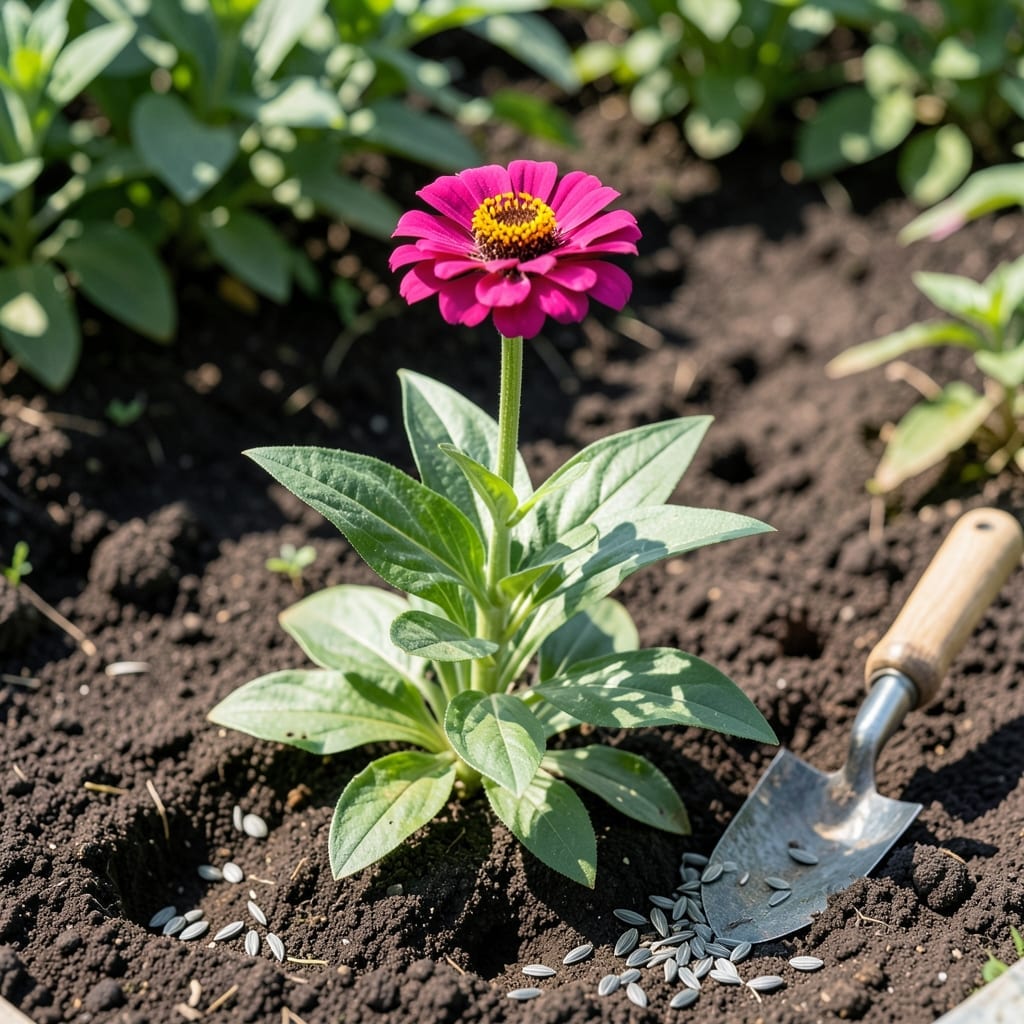
There’s something magical about watching vibrant 🌼 Zinnia blooms transform a garden space. These cheerful flowers are surprisingly easy to grow from seed, even for beginners.
I remember my first attempt – I was amazed at how quickly those tiny seeds sprouted into colorful stems. With the right timing and simple techniques, you can achieve the same success in your own backyard.
Discover the straightforward steps to plant Zinnia seeds properly and enjoy a season filled with stunning flowers that keep on giving.
Planting zinnia seeds is a rewarding experience that brings vibrant colors to any garden. I always start by checking the last frost date for my area.
Zinnias thrive in warm soil, so waiting until temperatures reach at least 60°F ensures the best germination rates for these cheerful blooms.
I always prepare my garden bed by removing any weeds and loosening the soil to about 12 inches deep. This helps the roots establish easily.
For best results, I mix in some compost to provide essential nutrients. Zinnias aren’t picky, but they do love well-draining soil to prevent root rot.
When sowing, I place seeds about 1/4 inch deep and 6-12 inches apart. This spacing gives each plant enough room to grow without competing for resources.
A common mistake I see is planting too deep. Remember, these seeds need light to germinate, so keep them near the surface with just a light covering of soil.
After planting, I water gently but thoroughly. The goal is to keep the soil consistently moist until seeds sprout, which usually takes 7-10 days.
Once seedlings appear, I thin them out to ensure proper airflow. This step is crucial for preventing disease and promoting strong growth.
With these simple steps, you’ll be rewarded with beautiful zinnia blooms all season long 🌼
Creating the ideal environment is key to growing healthy zinnias from seed. I’ve found that these flowers thrive with full sun exposure and well-draining soil to prevent waterlogging.
Zinnias need at least 6-8 hours of sunlight daily, so I always choose a sunny spot in my garden. The soil temperature should be above 60°F for the best germination results.
| Requirement | Specification |
|---|---|
| Sunlight | 6+ hours daily |
| Soil Type | Well-draining, fertile |
| Soil Temp | 60-70°F |
| Water Needs | Keep moist, not soggy |
| Spacing | 6-12 inches apart |
For optimal growth, I ensure the soil is loose and fertile. Adding compost before planting gives zinnias the nutrients they need to flourish.
These flowers are drought-tolerant once established, but during the early stages, consistent moisture is critical. I water my zinnias in the morning to reduce evaporation.
If your soil is heavy clay, consider amending it with sand or organic matter to improve drainage. Zinnias dislike soggy roots, so good drainage is non-negotiable.
I’ve noticed zinnias grow best in slightly acidic to neutral soil (pH 6.0-7.0). A simple soil test kit can help you adjust if needed.
With these conditions met, your zinnias will reward you with bold, long-lasting blooms all season long 🌼