
Beautiful Plants For Your Interior
Beautiful Plants For Your Interior
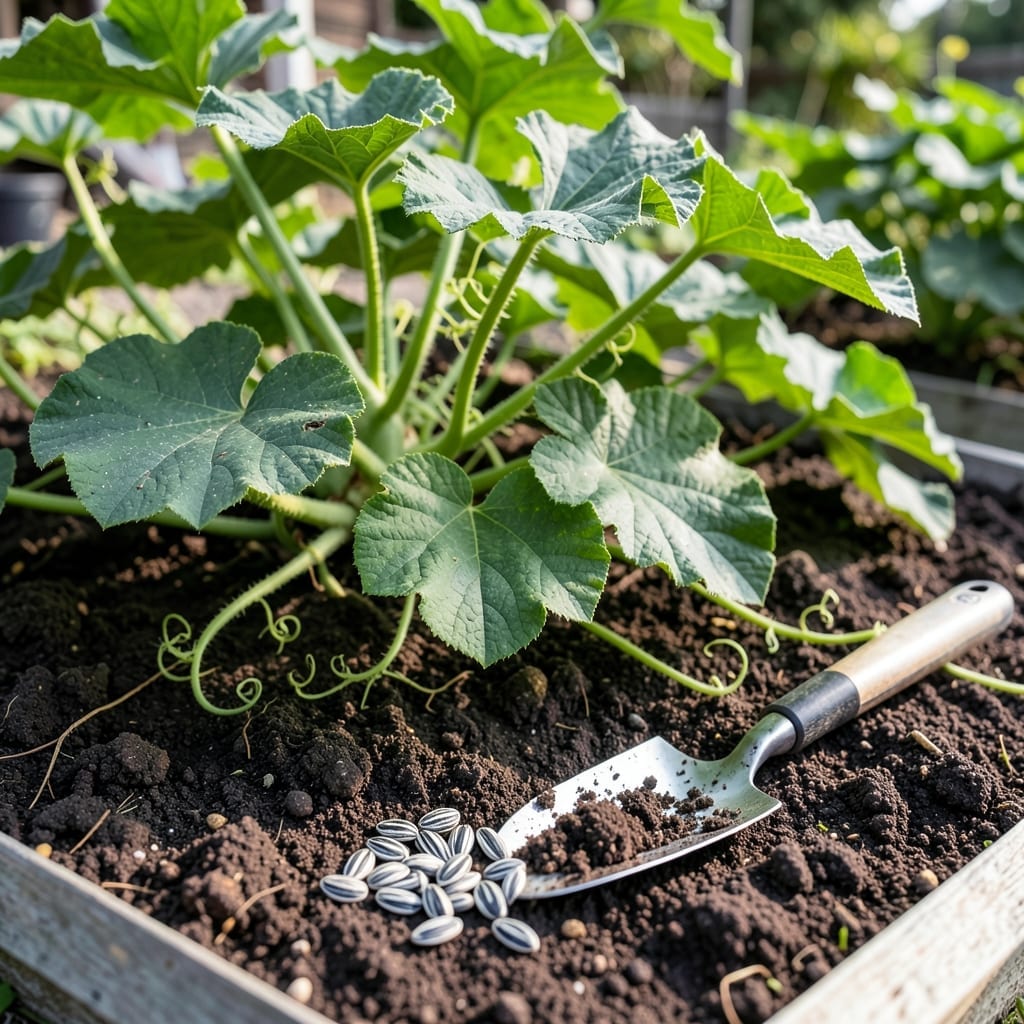
Imagine biting into a juicy, homegrown watermelon you planted yourself. That first taste makes all the effort worthwhile, and it starts with how you plant those seeds.
I’ve learned that getting this step right means bigger harvests and sweeter fruits. Whether you’re new to gardening or have some experience, the way you begin sets the stage for success.
Let me walk you through the essentials of planting 🍉 Watermelon seeds properly. With the right approach, you’ll be enjoying your own delicious crop in no time.
Planting watermelon seeds correctly is the foundation for a bountiful harvest. I always start by ensuring the soil is warm enough, as these seeds thrive in 70°F+ temperatures. Testing your soil with a simple thermometer can save you from early disappointments.
Preparing the planting site is just as crucial as seed selection. I recommend choosing a spot with full sun exposure and loose, well-draining soil. Adding compost gives your seeds the nutrient boost they need for strong initial growth.
Once your watermelon seeds are in the ground, consistent moisture is key. I water mine deeply once a week, but adjust based on rainfall. The goal is to keep the soil evenly moist, not soggy, to prevent rot.
Spacing is another factor I’ve learned not to overlook. Planting seeds too close together leads to crowded vines and smaller fruits. I give each plant 3 feet of space in all directions, which allows for proper air circulation and growth.
If you’re planting in cooler climates, consider starting seeds indoors 2-3 weeks before the last frost. This gives them a head start. I use peat pots for easy transplanting later, which minimizes root disturbance.
Watermelons are heavy feeders, so don’t skimp on fertilizer. I apply a balanced 10-10-10 fertilizer every 4-6 weeks during the growing season. This keeps the plants healthy and supports fruit development.
Weeds can choke out young watermelon plants, so I mulch around the base with straw or grass clippings. This not only suppresses weeds but also helps retain soil moisture, which is especially important during hot, dry spells.
Finally, be patient. Watermelons typically take 70-100 days to mature. I keep an eye out for the telltale signs of ripeness, like a dull rind and a hollow sound when tapped. When in doubt, I check the tendril near the stem—if it’s brown, the melon is ready.
With these steps, you’ll be well on your way to growing sweet, juicy watermelons that are the highlight of your garden 🌱
Creating the ideal environment for watermelon seeds is crucial for strong germination. I always check that my soil is warm and well-draining, as cold or soggy soil can delay or prevent sprouting entirely.
These seeds need consistent warmth to thrive, so I plant them when daytime temperatures are above 70°F. A soil thermometer helps me confirm the conditions are just right before I begin.
| Requirement | Specification |
|---|---|
| Soil Temperature | 70°F+ |
| Soil pH | 6.0-6.8 |
| Sunlight | Full sun (8+ hours) |
| Soil Type | Loamy, well-draining |
| Water Needs | 1-2 inches weekly |
The pH level of your soil matters too. I aim for a slightly acidic to neutral range, between 6.0 and 6.8, which helps the plants absorb nutrients effectively. A simple soil test kit can help you adjust if needed.
Sunlight is non-negotiable for watermelons. I make sure my planting site gets at least 8 hours of direct sun daily. Without enough light, the plants grow weak and produce smaller, less sweet fruits.
In terms of climate zones, watermelons are best suited for USDA zones 3-11. If you’re in a cooler area, starting seeds indoors can give you a head start. I use heat mats to keep the soil warm during early spring.
Timing is everything. I plant my seeds 2-3 weeks after the last frost date when the soil has warmed up. This ensures the young plants aren’t stressed by cold temperatures, which can stunt their growth.
With the right conditions, your watermelon seeds will sprout quickly and grow into healthy, productive plants 🌱