
Beautiful Plants For Your Interior
Beautiful Plants For Your Interior
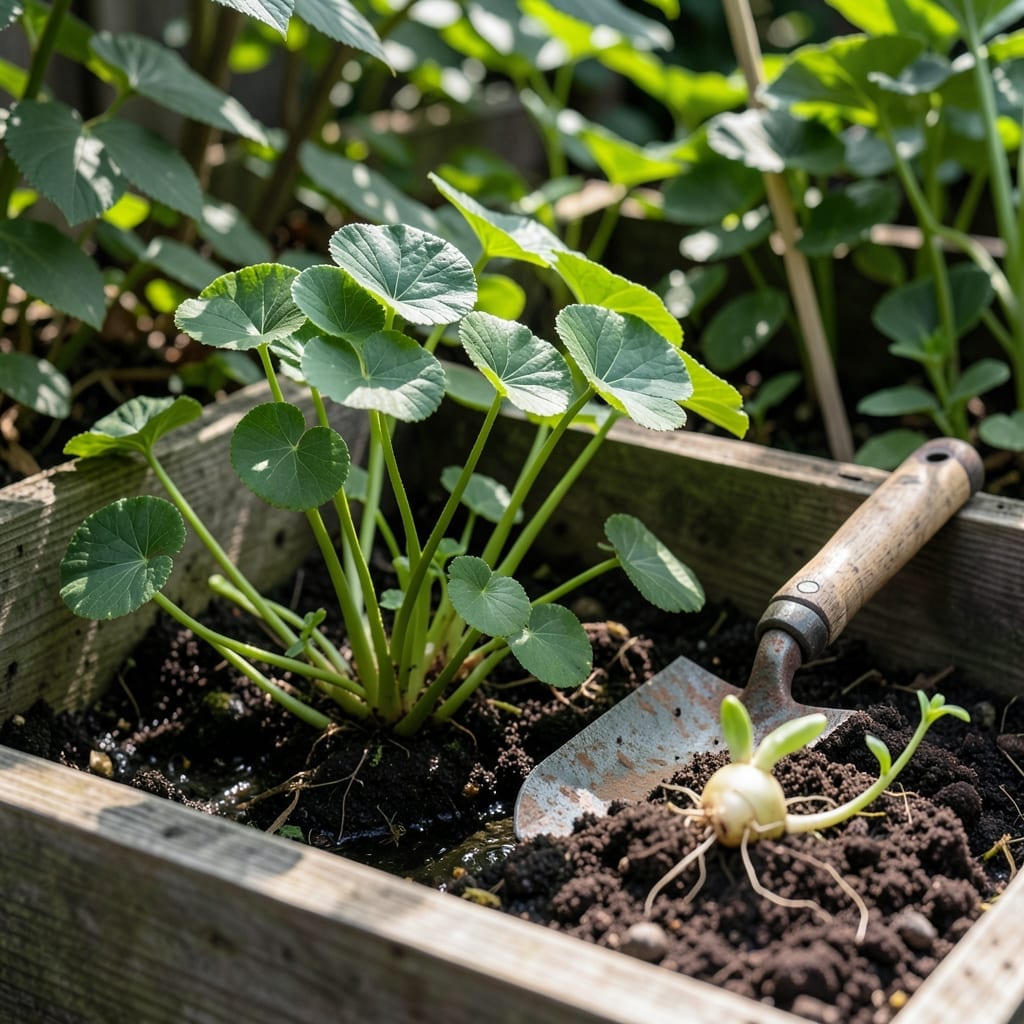
Growing Wasabi 🌿 at home might seem challenging, but it’s absolutely rewarding with the right approach. This prized plant thrives in cool, shaded spots with consistent moisture.
Many gardeners assume it requires special conditions, but you can create the perfect environment in your own backyard. With just a little preparation, you’ll be surprised how well it adapts.
Discover how to transform your garden into a haven for this unique crop. The process is easier than you think when you know these key steps.

Planting wasabi starts with selecting the right rhizomes or seedlings. I recommend sourcing from reputable nurseries to ensure disease-free stock. Healthy rhizomes should feel firm and show no signs of rot.
Prepare your site in early spring when temperatures stay above 45°F. Wasabi prefers partial shade with 70-80% coverage, mimicking its natural forest floor habitat.
For container growing, choose a wide, shallow pot with drainage holes. Fill with a mix of 50% potting soil and 50% perlite for optimal aeration. Wasabi roots despise soggy conditions.
After planting, maintain consistent moisture without waterlogging. I water my wasabi every 2-3 days in summer, reducing to 4-5 days in cooler months. Always check the top inch of soil first.
The first 3 months are critical. Keep the area weed-free and monitor for pests like slugs. I use organic slug bait to protect my plants without harsh chemicals.
As your wasabi grows, watch for yellowing leaves, which can signal either overwatering or nutrient deficiency. A light 5-10-10 fertilizer every 6-8 weeks keeps plants thriving.
Remember that wasabi is a slow grower. Don’t be discouraged if you don’t see rapid progress. The rhizomes typically reach harvestable size in 12-18 months under ideal conditions.
For best results, I’ve found that morning watering works best. This allows foliage to dry during the day, reducing fungal risks. Also, consider using a drip irrigation system for consistent moisture.
With patience and proper care, you’ll be rewarded with fresh wasabi that’s far superior to store-bought versions. The unique spicy-sweet flavor makes all the effort worthwhile 🌿
Creating the perfect environment is key to growing wasabi successfully. This plant thrives in cool temperatures between 45-75°F, making it ideal for spring and fall cultivation in most regions.
Wasabi requires 70-80% shade to mimic its natural forest floor habitat. Direct sunlight can scorch the leaves, so I always use shade cloth or plant near taller crops.
| Requirement | Specification |
|---|---|
| Temperature | 45-75°F |
| Shade | 70-80% coverage |
| Soil pH | 6.0-7.0 |
| Soil Type | Loamy, well-draining |
| Humidity | High |
The soil should be loamy and well-draining with a pH of 6.0-7.0. I amend my garden beds with compost and perlite to improve drainage while retaining moisture.
High humidity is another must for wasabi. In drier climates, I use a drip irrigation system combined with heavy mulching to maintain moisture levels. A 2-3 inch layer of organic mulch works wonders.
Avoid overwatering, which can lead to root rot. The soil should feel consistently moist but never soggy. I check moisture levels by inserting my finger 1 inch into the soil.
Wasabi is sensitive to temperature swings. In hot climates, consider growing it in containers that can be moved to cooler spots during heatwaves. I’ve had success with shallow, wide pots under covered patios.
With these conditions met, your wasabi plants will develop strong root systems and healthy foliage. The effort is worth it when you harvest that first fresh rhizome 🌿