
Beautiful Plants For Your Interior
Beautiful Plants For Your Interior
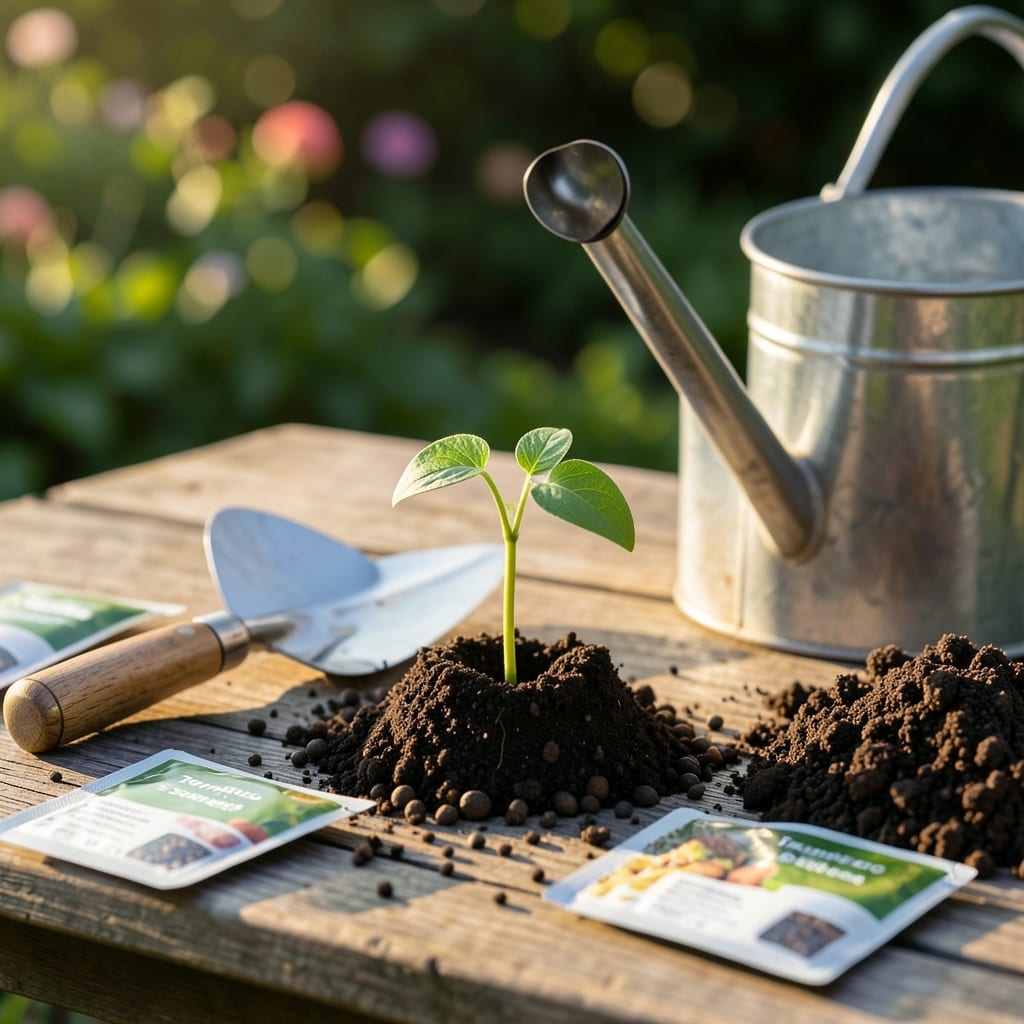
There’s something magical about watching a tiny General Seed 🌱 transform into a thriving plant. I remember the first time I planted seeds and saw those first green sprouts pushing through the soil.
It’s not just about sticking seeds in dirt and hoping for the best. The right approach makes all the difference between a lackluster attempt and a garden that bursts with life.
Whether you’re new to gardening or just need a refresher, mastering the basics of seed planting sets you up for success. And trust me, the results are worth every bit of effort.
Let me walk you through the essential steps to get your seeds off to the strongest start possible this spring.

Planting seeds is the foundation of a thriving garden, and I’ve found that starting with quality seeds makes all the difference. Choose heirloom or organic seeds for the best results, as they often have higher germination rates and are free from chemicals.
Before sowing, I always check the seed packet for specific instructions on planting depth and spacing requirements. This ensures my seeds have the best chance to sprout and grow strong.
I always start by preparing the soil properly. Loosen it to about 12 inches deep and mix in compost or organic matter to improve fertility. This gives seeds a nutrient-rich environment to thrive in.
When sowing, I follow the rule of thumb: plant seeds at a depth 2-3 times their diameter. For tiny seeds like lettuce or carrots, this means barely covering them with soil.
Spacing is critical to prevent competition. I use a ruler or seed tape to ensure even distribution. Crowded seeds lead to weak seedlings that struggle to grow.
After planting, I water gently with a spray bottle to avoid displacing seeds. Keep the soil consistently moist but not soggy—this is key for germination.
I cover the seeds lightly with soil and place them in a warm, sunny spot. Most seeds germinate best at 70-80°F, so I use a heat mat indoors if needed.
Once sprouts appear, I thin seedlings to the recommended spacing. This ensures the strongest plants have room to grow. I also start hardening off seedlings before transplanting them outside.
Finally, I monitor moisture levels daily and adjust watering as needed. With patience and care, my seeds grow into healthy, vibrant plants that reward me with a bountiful garden. 🌱
Even experienced gardeners can make simple errors that ruin seed germination. The most common is overwatering, which can drown seeds or cause rot before they sprout.
Another frequent issue is planting too deep. Most seeds need light to germinate, so burying them more than 3x their width often prevents sprouting.
⚠️ Warning: Don’t Let These Mistakes Ruin Your Seeds!
Using poor-quality soil is another pitfall. Seeds need a light, well-draining medium. Heavy clay or compacted soil can suffocate them before they grow.
Many gardeners also ignore temperature needs. Most seeds require consistent warmth (typically 65-75°F) to germinate properly. Cold soil can delay or prevent sprouting.
Finally, crowding seeds leads to weak seedlings. Give each seed enough space to develop strong roots. Thin seedlings early for best results.
By avoiding these common mistakes, you’ll see better germination rates and healthier plants. Always check your seed packets for specific needs.
🌱