
Beautiful Plants For Your Interior
Beautiful Plants For Your Interior
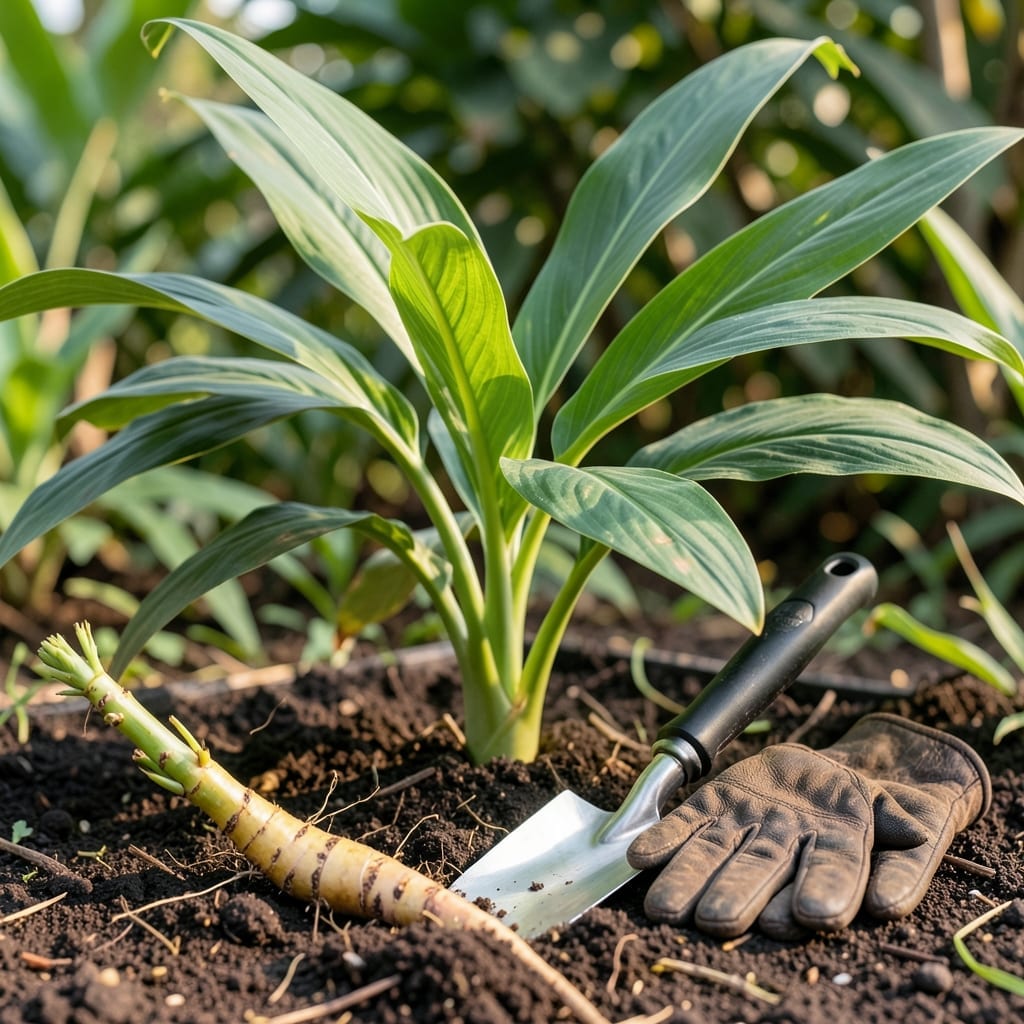
Imagine stepping into your garden and pulling up fresh, golden 🌿 Turmeric rhizomes whenever you need them. Growing this vibrant plant at home is simpler than most realize, and the rewards go far beyond its culinary uses.
Whether you’re working with a spacious backyard or a few containers on your patio, Turmeric thrives with just a little know-how. The process starts with understanding its tropical nature and giving it the right conditions to flourish.
I’ll walk you through every essential step, from preparing the soil to knowing exactly when your plants are ready. Let’s discover how to cultivate this powerhouse spice with confidence.
Planting turmeric starts with selecting healthy rhizomes from a garden center or online supplier. Look for firm pieces with visible eyes, similar to potatoes, as these will sprout new growth.
I recommend soaking the rhizomes in lukewarm water overnight to encourage faster sprouting. This simple step can shave weeks off your waiting time for those first green shoots to appear.
Turmeric thrives in loose, well-draining soil with a pH between 6.0 and 6.8. I always amend my garden beds with plenty of organic compost before planting to provide the nutrients this tropical plant craves.
When planting, place your rhizome pieces about 2-3 inches deep with the buds facing upward. This depth protects them from temperature fluctuations while allowing for proper root development.
Spacing is crucial for good air circulation. I give each plant 12-18 inches of space in all directions. In warmer zones, you can plant closer together, but in cooler areas, the extra space helps prevent disease.
After planting, water gently but thoroughly to settle the soil. Turmeric prefers consistent moisture, so I check my plants daily during the first week to ensure the soil doesn’t dry out completely.
A thick layer of organic mulch helps maintain soil temperature and moisture. I use straw or shredded leaves which break down over time, adding more organic matter to the soil.
In my experience, turmeric shows its first green shoots within 2-3 weeks in warm conditions. Be patient – the initial growth is slow, but once established, the plants grow vigorously.
Remember that turmeric is a tropical plant that needs warmth. If you’re in a cooler climate, consider starting your rhizomes indoors or using black plastic mulch to warm the soil before planting.
With proper care, you’ll be rewarded with lush, 3-foot-tall plants that will produce those precious golden rhizomes in about 8-10 months
Creating the perfect environment is key to growing vibrant turmeric. As a tropical plant, it thrives in warm, humid conditions similar to its native Southeast Asian habitat.
I’ve found that maintaining consistent temperatures between 68-86°F gives the best results. Anything below 50°F can stunt growth or even kill the plant, so timing is crucial for outdoor planting.
| Requirement | Specification |
|---|---|
| Sunlight | 4-6 hours dappled light |
| Soil pH | 6.0-6.8 slightly acidic |
| Water | 1-2 inches weekly |
| Humidity | High preferred |
For sunlight needs, turmeric prefers partial shade with about 4-6 hours of gentle morning sun. In hotter climates, afternoon shade protects the leaves from scorching.
The plant is quite drought-tolerant once established, but I maintain consistent moisture during the first few months. A drip irrigation system works wonders for even watering without wetting the foliage.
I’ve noticed turmeric grows particularly well in raised beds or containers, as these provide excellent drainage. If your soil is heavy clay, amending with sand and compost will create the loose texture turmeric loves.
In my garden, I position turmeric near east-facing walls to take advantage of morning sun while protecting it from harsh afternoon rays. This setup mimics its natural understory habitat.
With these conditions met, you’ll see lush green leaves and strong stem growth, setting the stage for a bountiful harvest of golden rhizomes 🌿