
Beautiful Plants For Your Interior
Beautiful Plants For Your Interior
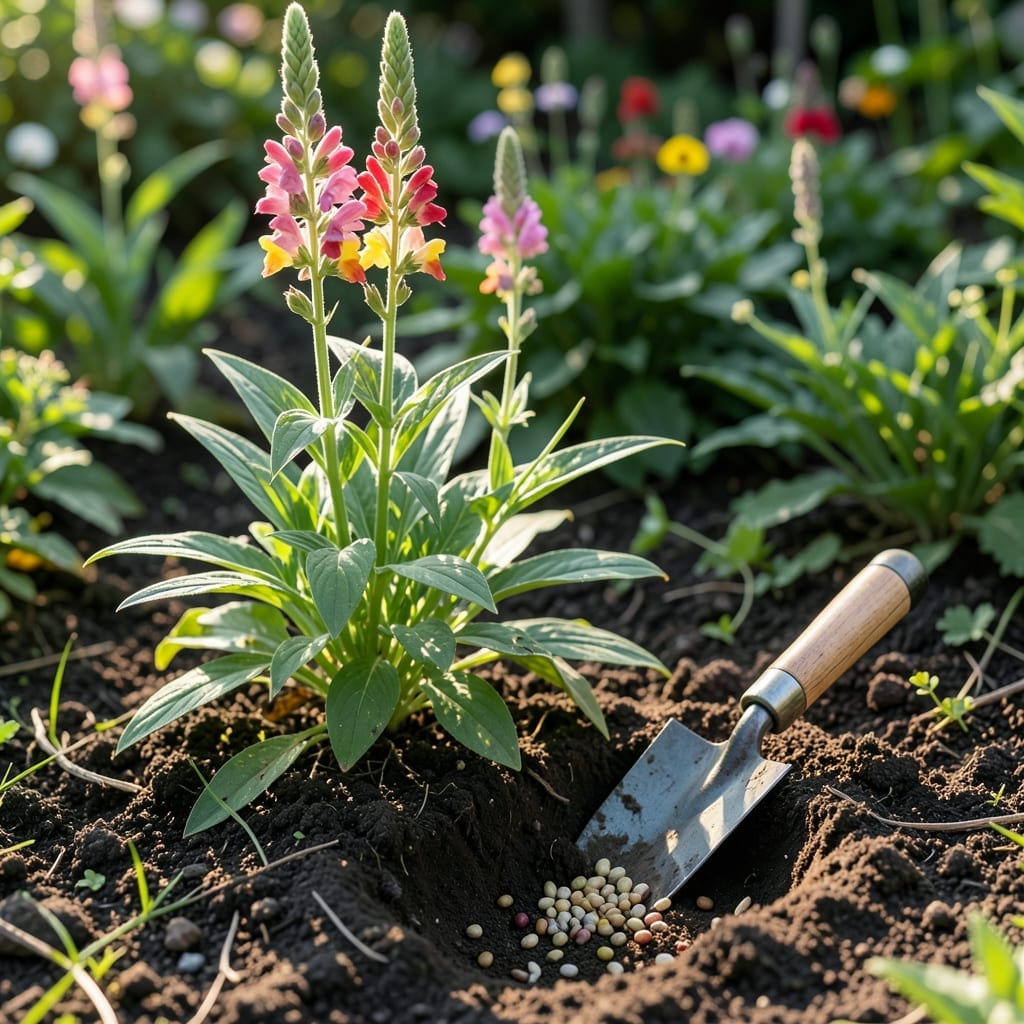
There’s nothing quite like the vibrant spikes of 🌸 Snapdragons lighting up a garden. These beauties bring height and color that can transform any outdoor space.
But here’s the thing – their success starts with how you plant them. Get the timing and technique right, and you’ll enjoy blooms from June through September.
I’ll walk you through the essentials of planting Snapdragons in zone 6a, from soil prep to spacing, so you can create that show-stopping display you’ve been dreaming about.
Planting snapdragons starts with timing. In zone 6a, aim to plant after the last frost date, typically around April 15. This ensures your seedlings won’t be damaged by late cold snaps.
If you’re starting from seeds, begin indoors 6-8 weeks before the last frost. This gives your plants a head start and stronger roots when transplanted outside.
Once planted, snapdragons need consistent care. They prefer well-draining soil with a pH of 6.2-7.0, which you can test with a simple kit from your local garden center.
For the best results, plant them in an area that gets full sun, meaning at least 6 hours of direct sunlight daily. They can tolerate partial shade, but blooms may be less abundant.
Spacing is crucial. Tall varieties need 18 inches between plants, while dwarf types can be spaced 12 inches apart. Proper spacing prevents disease and promotes healthy growth.
After planting, water them thoroughly. I recommend giving them 1 inch of water per week, either from rainfall or irrigation. Morning watering helps prevent fungal diseases.
In the first few weeks, keep an eye out for pests like aphids or spider mites. A gentle spray of water or insecticidal soap can keep these under control without harming your plants.
Once established, snapdragons are relatively low-maintenance. Deadhead spent blooms regularly to encourage continuous flowering throughout the growing season. This simple step can extend your bloom time significantly.
Finally, if you notice your plants looking leggy, pinch back the stems. This encourages bushier growth and more flowers. With proper care, your snapdragons will reward you with vibrant blooms from June to September 🌸
For snapdragons to thrive, the right soil and sunlight are non-negotiable. I’ve found they perform best in well-draining soil with a pH of 6.2-7.0, enriched with organic matter like compost.
This balance ensures roots stay healthy while accessing the nutrients they need for vibrant blooms. If your soil is too heavy or clay-like, amending it with sand or peat moss can improve drainage significantly.
| Requirement | Specification |
|---|---|
| Soil pH | 6.2-7.0 |
| Drainage | Well-draining |
| Sunlight | 6+ hours daily |
| Soil Type | Loamy, enriched |
| Organic Matter | Compost or peat moss |
When it comes to sunlight, snapdragons are sun-worshippers. They need at least 6 hours of direct sunlight daily to produce those iconic spikes of flowers. In hotter climates, afternoon shade can prevent wilting.
If you’re in a cooler area, full sun is ideal. I’ve noticed that plants in partial shade tend to grow taller but produce fewer blooms, so prioritize sun exposure for the best results.
For clay or sandy soils, I recommend mixing in 2-3 inches of compost before planting. This improves both drainage and fertility, giving your snapdragons the best start possible.
Testing your soil’s pH is simple with a home kit. If it’s too acidic, add lime; if it’s too alkaline, sulfur can help balance it. This small step can make a big difference in bloom quality.
With the right conditions, your snapdragons will reward you with months of colorful blooms 🌸