
Beautiful Plants For Your Interior
Beautiful Plants For Your Interior
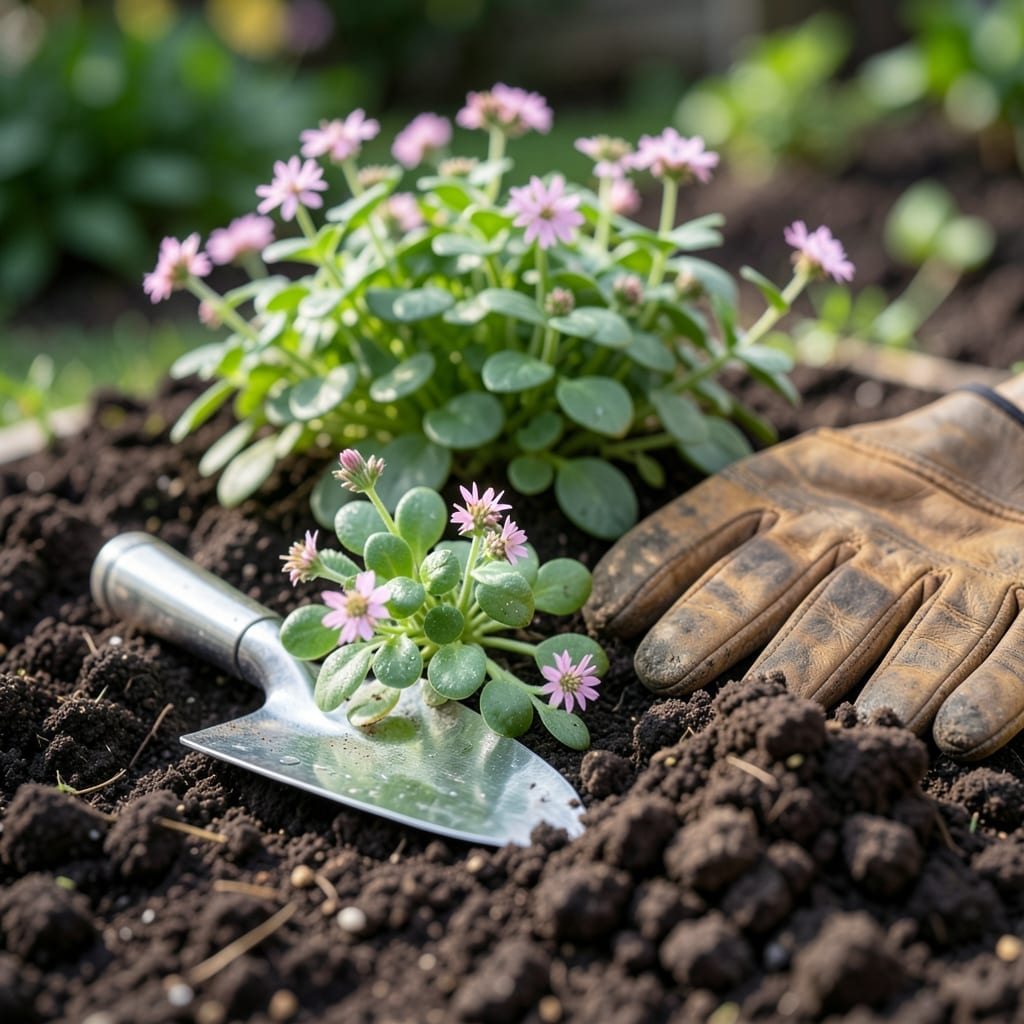
Want a garden that thrives with almost no effort? Planting Sedum 🌵 is your answer. This tough ground cover laughs at drought and poor soil, bringing vibrant color where other plants fail.
Whether you’re a beginner or seasoned gardener, Sedum offers beauty without the fuss. It’s the perfect choice for those busy days when you still want a stunning outdoor space.
Let me walk you through the simple steps to get Sedum established and flourishing. You’ll love how easy it is to create a resilient, eye-catching garden feature.


Ready to transform your garden with drought-resistant beauty? Planting Sedum is simpler than you think. This hardy succulent thrives in conditions that challenge other plants, making it perfect for beginners.
I always start by choosing a sunny spot with well-draining soil. Sedum hates soggy roots, so good drainage is non-negotiable for success. 🌱
Once your Sedum plants are in the ground, resist the urge to overwater. These succulent plants store water in their leaves, so they prefer drier conditions once established.
For the first week, I recommend a light daily misting to help roots settle. After that, cut back to once or twice weekly, tapering off as plants mature. ✂️
If your soil is heavy clay, amend it with sand or gravel to improve drainage. Sedum in poorly draining soil often develops root rot, which can kill the plant.
For a stunning ground cover, consider ‘Dragon’s Blood’ Sedum. Its red foliage and pink flowers create a vibrant carpet. For vertical interest, ‘Autumn Joy’ grows up to 2 feet tall.
Remember that spring or early fall are the best times to plant. This gives your Sedum time to establish roots before extreme heat or cold sets in. 🌿
After planting, I like to add a layer of mulch to conserve moisture. However, keep it light and airy—Sedum doesn’t like to be smothered.
With these simple steps, you’ll soon have a thriving, low-maintenance garden feature that requires minimal care and provides maximum impact. Sedum truly is the perfect plant for busy gardeners.
Not all Sedum varieties are created equal. Some spread as ground covers while others stand tall as border plants. Choosing the right type ensures success in your specific garden conditions. 🌱
For dry, sunny slopes, I recommend ‘Dragon’s Blood’ with its red foliage. In shadier spots, ‘Angelina’ offers golden-yellow leaves that brighten dim areas.
| Variety | Height | Sun Needs | Best For |
|---|---|---|---|
| ‘Dragon’s Blood’ | 3-6 inches | Full sun | Ground cover, slopes |
| ‘Autumn Joy’ | 18-24 inches | Full sun | Borders, pollinators |
| ‘Angelina’ | 3-6 inches | Full to part sun | Shady areas, containers |
For vertical interest, ‘Autumn Joy’ grows up to 2 feet tall with pink flowers that attract pollinators. It’s perfect for back borders or as a focal point in your garden.
If you’re dealing with poor soil, most Sedums will thrive as long as it’s well-draining. I’ve seen them flourish in rock gardens and even between paving stones. ☀️
‘Sedum rupestre’ is another excellent ground cover option. Its blue-green foliage turns bronze in fall, providing year-round interest with minimal care.
Remember that tall varieties may need staking in windy areas. I always plant them in sheltered spots or use discreet supports to keep them upright.
With so many Sedum options, you can create a dynamic garden that thrives in nearly any condition. Each variety brings its own unique texture and color palette to your landscape. 🌿