
Beautiful Plants For Your Interior
Beautiful Plants For Your Interior
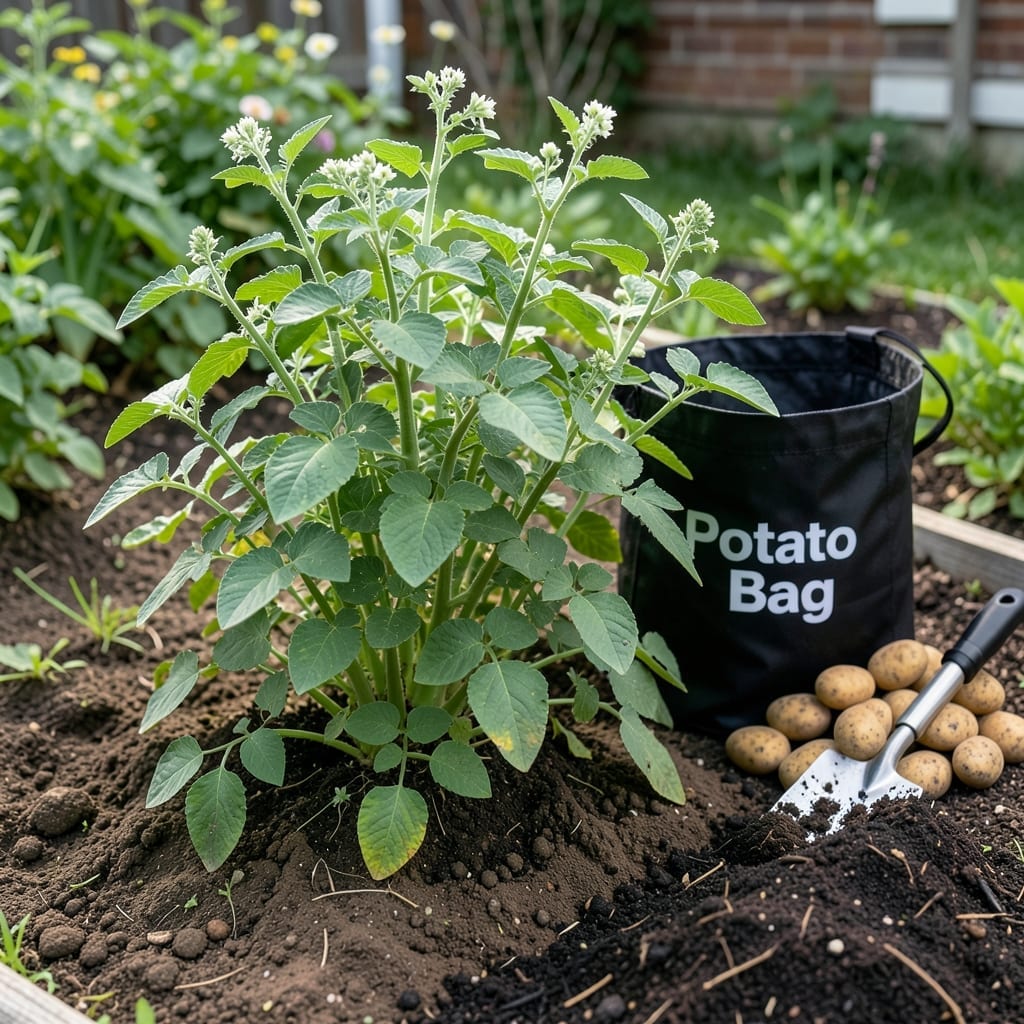
Tired of thinking you need a big backyard to grow your own potatoes? I discovered the easiest way to enjoy homegrown 🥔 without the space commitment.
Potato bags turn any patio or balcony into a thriving mini-farm. You’ll be amazed how much you can harvest from such a small footprint.
This method saves space while making harvest day surprisingly simple. No digging required – just tip the bag and collect your spuds.
Learn how to get started with this game-changing approach to growing Potato. Your freshest, most satisfying crop is closer than you think.

Planting potatoes in a bag is a game-changer for small-space gardeners. I love how this method lets you grow fresh spuds without a traditional garden bed or heavy soil prep. It’s perfect for balconies, patios, or even a sunny windowsill.
You’ll need a breathable fabric bag or a specialized potato growing bag, which provides the ideal environment for tuber development. The key is ensuring proper drainage and enough room for the roots to expand.
I always start with certified seed potatoes from a nursery to avoid diseases. Regular potatoes from the grocery store may carry viruses that can ruin your crop. Look for early-maturing varieties like Yukon Gold or Red Pontiac for best results in bags.
The potting mix should be light and well-draining. I recommend blending compost, coconut coir, and a bit of perlite to keep it airy. Avoid garden soil, as it can compact and suffocate the roots in a bag environment.
As your potato plants grow, you’ll notice they send up stems. When these reach about 6 inches tall, add more soil to cover the lower leaves. This hilling process encourages more tubers to form along the stem, increasing your yield.
Watering is critical—keep the soil evenly moist but never waterlogged. I check the bag daily in hot weather, as fabric bags dry out faster than traditional pots. If the top inch feels dry, it’s time to water deeply.
For fertilizing, I use a balanced 10-10-10 fertilizer every 4-6 weeks. Potatoes are heavy feeders, especially during tuber formation. Be sure to follow the package instructions to avoid overfeeding, which can lead to leafy growth but fewer spuds.
One of the best parts of growing potatoes in bags is the easy harvest. When the plants die back, simply tip the bag over and sift through the soil to collect your potatoes. No digging required! This method also reduces the risk of damaging the tubers.
If you’re short on space but crave homegrown potatoes, this method is a must-try. With just a bag, some soil, and a sunny spot, you can enjoy a bountiful harvest of delicious, fresh potatoes in no time. 🌱
Not all potato varieties thrive in containers, but some are perfect for bags. I’ve found that early-maturing types work best because they produce full-sized tubers before the bag’s limited space becomes an issue.
Compact varieties like ‘Yukon Gold’ and ‘Red Pontiac’ are my top picks for their reliable yields and great flavor. These adapt well to the confined roots of a bag environment.
| Variety | Maturity | Best For |
|---|---|---|
| Yukon Gold | 80-90 days | All-purpose, buttery flavor |
| Red Pontiac | 90-110 days | Storage, disease-resistant |
| Fingerling | 90-100 days | Salads, firm texture |
For quick harvests, I recommend ‘New Potatoes’ like ‘Caribe’ or ‘Swift’. These mature in 60-70 days, making them ideal for short growing seasons or impatient gardeners.
Purple varieties like ‘Adirondack Blue’ add a colorful twist to your bag garden. They need full sun and consistent moisture to develop their vibrant hue and rich taste.
If you’re new to bag gardening, start with ‘Kennebec’. It’s disease-resistant and easy to grow, producing large, white tubers that are perfect for baking or mashing.
Remember, the key to success is choosing certified seed potatoes from a reputable supplier. Avoid grocery store potatoes, as they may carry diseases that ruin your crop.
With the right variety, you’ll enjoy a bountiful harvest in just a few months 🌱