
Beautiful Plants For Your Interior
Beautiful Plants For Your Interior
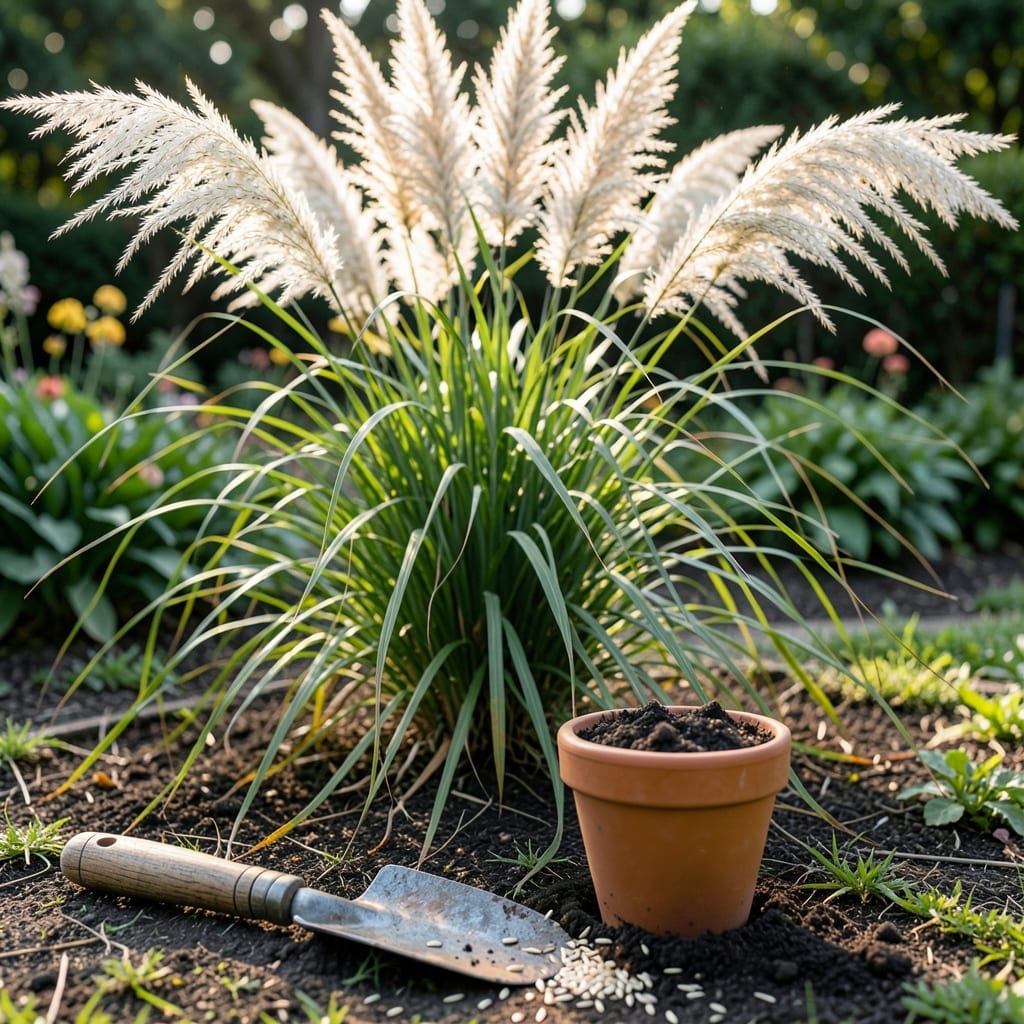
Transform your landscape with the feathery elegance of Pampas Grass 🌾 – starting from seed is easier than you think. This comprehensive guide will walk you through every stage.
I’ve tested various methods for growing these stunning plants, and the results might surprise you. Whether you’re a seasoned gardener or just starting out, these techniques will set you up for success.
Let me show you exactly how to plant pampas grass seeds for lush, vibrant growth. You’ll discover the key steps that make all the difference.

Planting pampas grass seeds requires patience and precision, but the results are worth it. I always start by selecting high-quality seeds from a reputable supplier to ensure strong germination rates. The best time to sow is early spring or indoors before the last frost.
Before planting, I prepare a well-draining seed mix to prevent waterlogging, which can rot the seeds. A light, sandy soil blend works best for these grasses. I’ve found that pre-moistening the soil helps create the ideal environment for germination.
I recommend using seed trays for indoor sowing, as they allow better control over moisture and temperature. Cover the trays with clear plastic wrap to create a mini greenhouse effect, which speeds up germination.
Once the seeds sprout, usually within 2-3 weeks, I remove the plastic and place the trays in a sunny window. It’s crucial to keep the soil moist but avoid overwatering, as pampas grass seedlings are sensitive to rot.
When the seedlings develop 2-3 true leaves, I transplant them into individual pots. This gives them room to grow strong roots before moving outdoors. I use a balanced fertilizer at half strength to encourage healthy development.
Before transplanting outside, I harden off the seedlings by gradually exposing them to outdoor conditions. This process takes about 7-10 days and helps prevent shock. I start with a few hours of shade and slowly increase sun exposure.
For outdoor planting, I choose a full-sun location with well-draining soil. Pampas grass thrives in USDA zones 7-11 and can tolerate drought once established. I dig holes twice as wide as the root ball and backfill with native soil.
After planting, I water deeply and add a 2-3 inch layer of mulch to retain moisture. I avoid heavy mulches like wood chips, as they can smother young plants. Instead, I use straw or pine needles for better airflow.
In the first year, I focus on consistent watering and protection from strong winds. Pampas grass grows slowly at first but can reach 6-10 feet in height at maturity. With proper care, your seedlings will transform into stunning, feathery focal points. 🌾
Creating the ideal environment for pampas grass seeds ensures strong, healthy growth. I focus on four key factors: sunlight, temperature, soil, and moisture. Each plays a crucial role in successful germination and early development.
Pampas grass thrives in full sun, needing at least 6-8 hours of direct sunlight daily. The soil temperature should stay between 65-75°F for best results, which is why I often start seeds indoors in early spring.
| Requirement | Specification |
|---|---|
| Sunlight | 6-8 hours daily |
| Temperature | 65-75°F |
| Soil Type | Well-draining, sandy loam |
| Moisture | Consistently moist, not soggy |
| USDA Zones | 7-11 |
For soil, I use a light, sandy mix that drains well to prevent waterlogging. Pampas grass seeds rot easily in soggy conditions, so good drainage is non-negotiable. I also ensure the soil stays consistently moist but never waterlogged during germination.
I’ve found that indoor sowing works best in cooler climates. I use a heat mat to maintain soil warmth and place trays near a south-facing window for maximum light. This setup mimics their native, sun-drenched habitats.
Once outdoors, I choose a sheltered spot with full sun exposure. Pampas grass tolerates drought conditions once established, but young seedlings need regular watering to develop strong root systems. 🌾
In hotter climates, I water in the early morning to reduce evaporation. For container-grown seeds, I check moisture daily, as pots dry out faster. This attention to detail makes all the difference in germination success.