
Beautiful Plants For Your Interior
Beautiful Plants For Your Interior
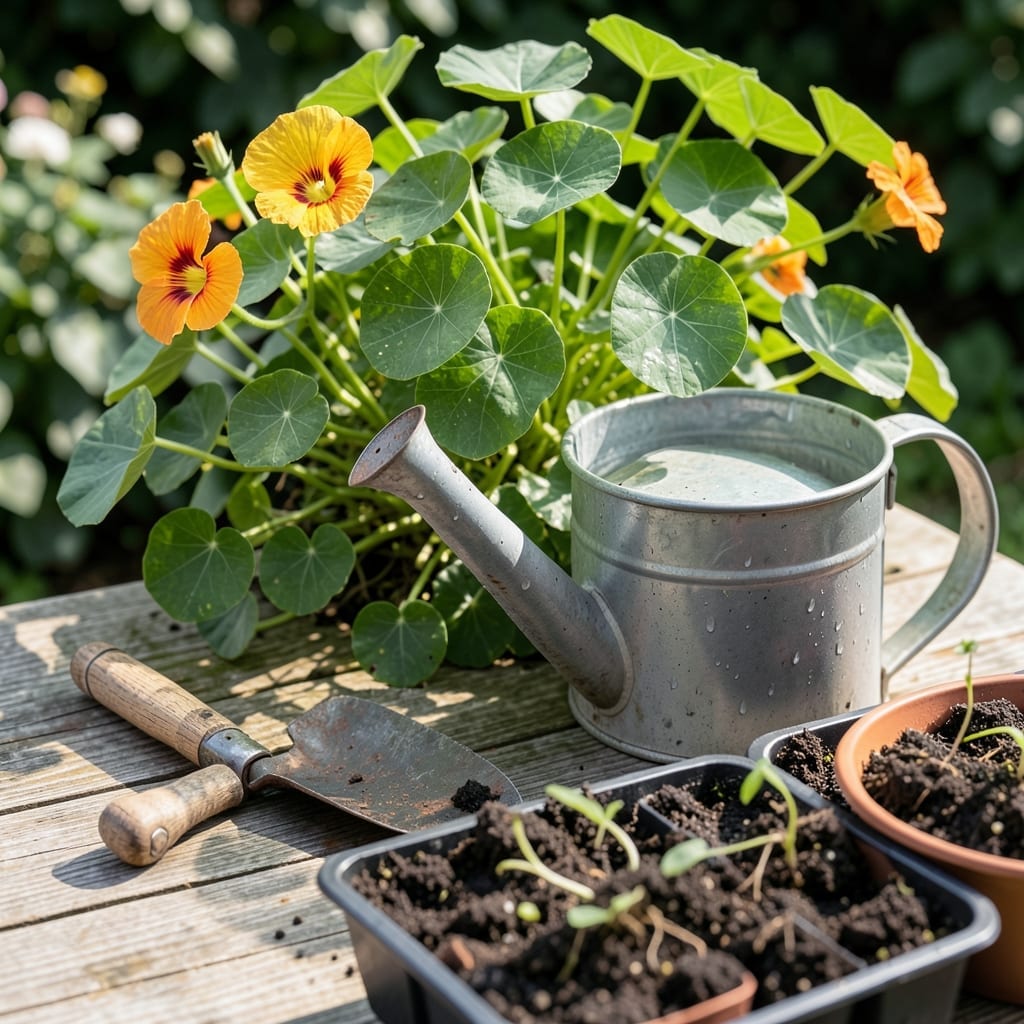
Want to add a splash of color to your garden with minimal effort? The 🌼 Nasturtium is your answer – these vibrant flowers thrive with just a little care.
I’ve found that starting with seedlings gives you a head start on the growing season. With the right approach, you’ll be enjoying their beautiful blooms faster than you think.
Discover the simple secrets to planting Nasturtium seedlings that will transform your outdoor space into a flourishing paradise.

Planting nasturtium seedlings is a rewarding way to jumpstart your garden. I always recommend starting after the last frost date when the soil has warmed to at least 60°F. This ensures your seedlings won’t be shocked by cold temperatures.
Before you begin, gather your seedlings, a trowel, compost, and water. Nasturtiums thrive in poor soil, so don’t over-fertilize. They prefer well-draining locations with plenty of sunlight.
After planting, I suggest adding a layer of mulch to retain moisture and suppress weeds. Keep the soil consistently moist but not waterlogged for the first week to help the seedlings establish.
Nasturtiums are drought-tolerant once established, so you can reduce watering to once a week. However, during hot summer months, you may need to water more frequently, especially if they’re in containers.
For the best results, plant in a location that receives full sun (at least 6 hours daily). If you’re in a hotter climate, afternoon shade can help prevent wilting. Nasturtiums are versatile and can also thrive in partial shade.
One of my favorite things about nasturtiums is their edible flowers and leaves. They add a peppery flavor to salads and look stunning as garnishes. Just be sure to avoid using pesticides if you plan to eat them.
If you’re planting in containers, ensure the pots have drainage holes. Nasturtiums dislike soggy roots, so well-draining soil is a must. A standard potting mix with some perlite works well for container planting.
Finally, don’t forget to deadhead spent blooms to encourage continuous flowering. Nasturtiums are low-maintenance and will reward you with vibrant colors all season long with minimal care. 🌼
Nasturtiums are adaptable plants that thrive in various conditions, but giving them the ideal environment ensures the best growth and most vibrant blooms. I’ve found they do exceptionally well with minimal fuss.
These flowers prefer full sun but tolerate partial shade, especially in hotter climates. They’re not picky about soil quality, often performing better in poor to average soil rather than rich, fertilized ground.
| Requirement | Specification |
|---|---|
| Sunlight | 6+ hours daily |
| Soil Type | Well-draining, poor |
| Soil pH | 6.0-7.5 |
| Temperature | 60-75°F |
| Spacing | 10-12 inches |
| Water Needs | Moderate, drought-tolerant |
For the best results, plant your nasturtiums where they’ll get morning sun and some afternoon shade in very hot regions. This helps prevent heat stress and keeps the blooms looking fresh.
Nasturtiums are also great companion plants. I love planting them near vegetables like tomatoes or cucumbers because they repel pests naturally. Their strong scent deters aphids and whiteflies. 🌱
If you’re growing them in containers, ensure the pots are at least 8-12 inches deep and have good drainage. Nasturtiums hate soggy roots, so avoid overwatering.
Finally, remember that nasturtiums are annuals in most climates, but they self-seed readily. If you let some flowers go to seed, you’ll likely see new plants popping up next year with zero effort on your part. 🌼