
Beautiful Plants For Your Interior
Beautiful Plants For Your Interior
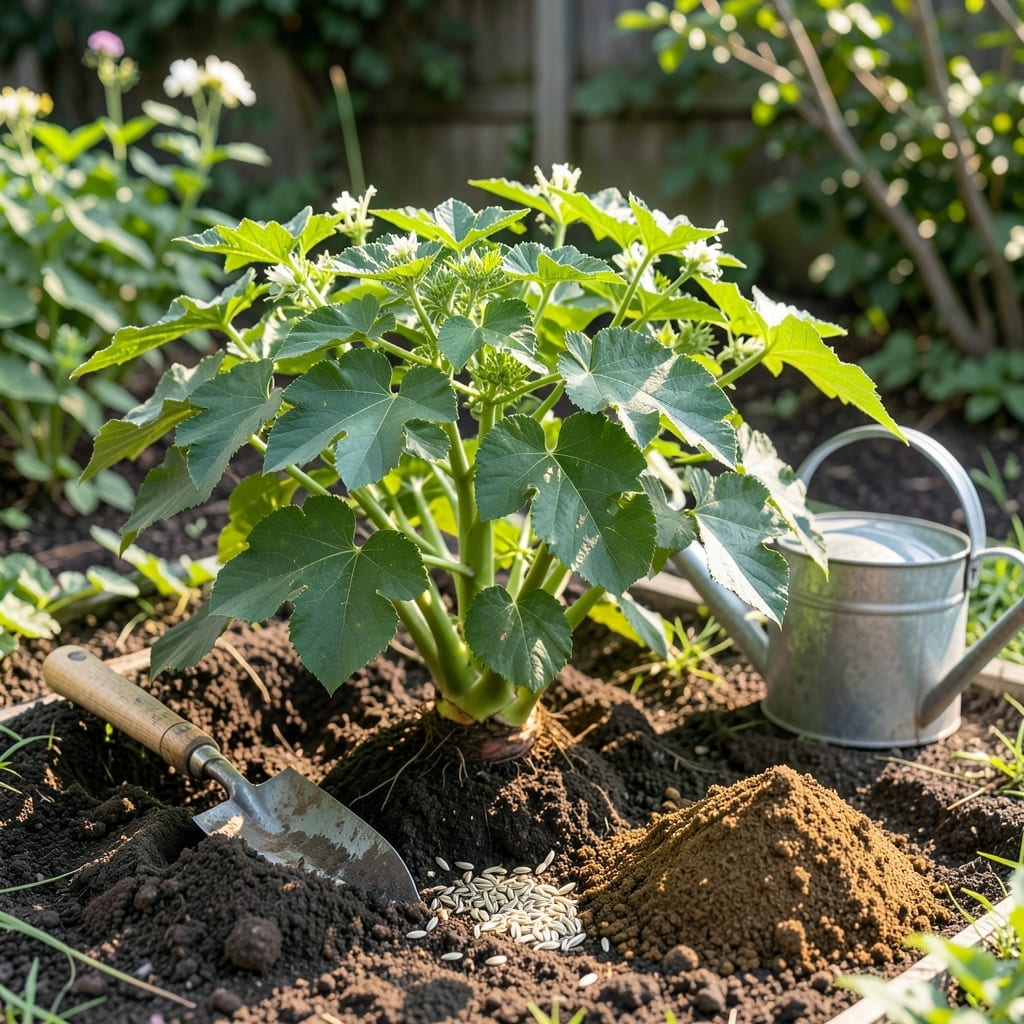
Growing your own Jicama 🥔 at home is easier than you think, and the reward of harvesting sweet, crunchy tubers makes it well worth the effort.
This tropical root vegetable thrives in warm climates like zones 9-11 and can be successfully cultivated in gardens or containers. With the right approach, you’ll be enjoying homegrown goodness in no time.
Discover the simple steps to get started and why spring planting gives you the best results. Let’s dig in together.
Planting jicama starts with selecting high-quality seeds or small tubers from a nursery. I always recommend certified disease-free stock to avoid early issues. Soak seeds overnight to speed up germination.
Preparing the soil is crucial. Jicama thrives in loose, well-draining soil with a pH of 6.0-6.8. I mix in plenty of compost to boost fertility and ensure good drainage. Heavy clay soil can stunt tuber growth.
When planting, I place seeds about 1 inch deep and 4-6 inches apart. Rows should be spaced 2 feet apart to give vines room to spread. If you’re using tubers, plant them 2 inches deep with buds facing up.
Warm soil is non-negotiable for jicama. I wait until soil temps reach at least 70°F before planting. In cooler climates, I use black plastic mulch to warm the soil faster. This can make the difference between success and failure. ☀️
Watering is next on the list. After planting, I give the area a gentle soaking to settle the soil. Then, I maintain consistent moisture without waterlogging. Overwatering can cause tubers to rot, so I always check soil moisture first.
As the plants grow, I watch for vining habits. Jicama produces long vines that need support. I use trellises or let them sprawl on the ground. Either way, I ensure they have plenty of space to expand.
Fertilizing is simple but important. I apply a balanced fertilizer every 4-6 weeks during the growing season. Too much nitrogen can lead to leafy growth at the expense of tubers, so I go easy on it.
Pests can be an issue, but I find row covers work well against most insects. I also rotate crops to prevent soil-borne diseases. Healthy soil is your best defense against pests and diseases.
Finally, I mark my planting dates on a calendar. Jicama takes about 120-200 days to mature, depending on the variety. I start checking for readiness when vines begin to yellow and die back. 🌱
Creating the ideal environment for jicama means mimicking its native tropical conditions. I focus on warmth and consistent moisture to get the best results from my plants.
Jicama needs full sun and warm temperatures between 75-85°F to thrive. In my garden, I plant in a spot that gets at least 6-8 hours of direct sunlight daily. ☀️
| Requirement | Specification |
|---|---|
| Sunlight | Full sun, 6-8 hours |
| Soil Type | Loamy, well-draining |
| pH Level | 6.0-6.8 |
| Temperature | 75-85°F |
| Water Needs | 1-2 inches weekly |
The soil type matters just as much as the weather. I use loamy, well-draining soil with plenty of organic matter. If your soil is heavy, amend it with compost or sand to improve drainage.
Humidity is another key factor. Jicama prefers moderate to high humidity, which is why it does so well in zones 9-11. In drier climates, I use mulch to retain moisture and prevent the soil from drying out too quickly.
Avoid planting in cold soil or areas prone to frost. Jicama is frost-sensitive, and even a light frost can damage the plants. I always check the soil temperature with a thermometer before planting. 🌡️
Common mistakes include overwatering and poor spacing. I keep the soil moist but not soggy and give each plant enough room to spread. Crowded plants compete for nutrients, leading to smaller tubers.
With these conditions met, your jicama plants will grow strong and healthy, ready to produce those delicious tubers we all love. 🌱