
Beautiful Plants For Your Interior
Beautiful Plants For Your Interior
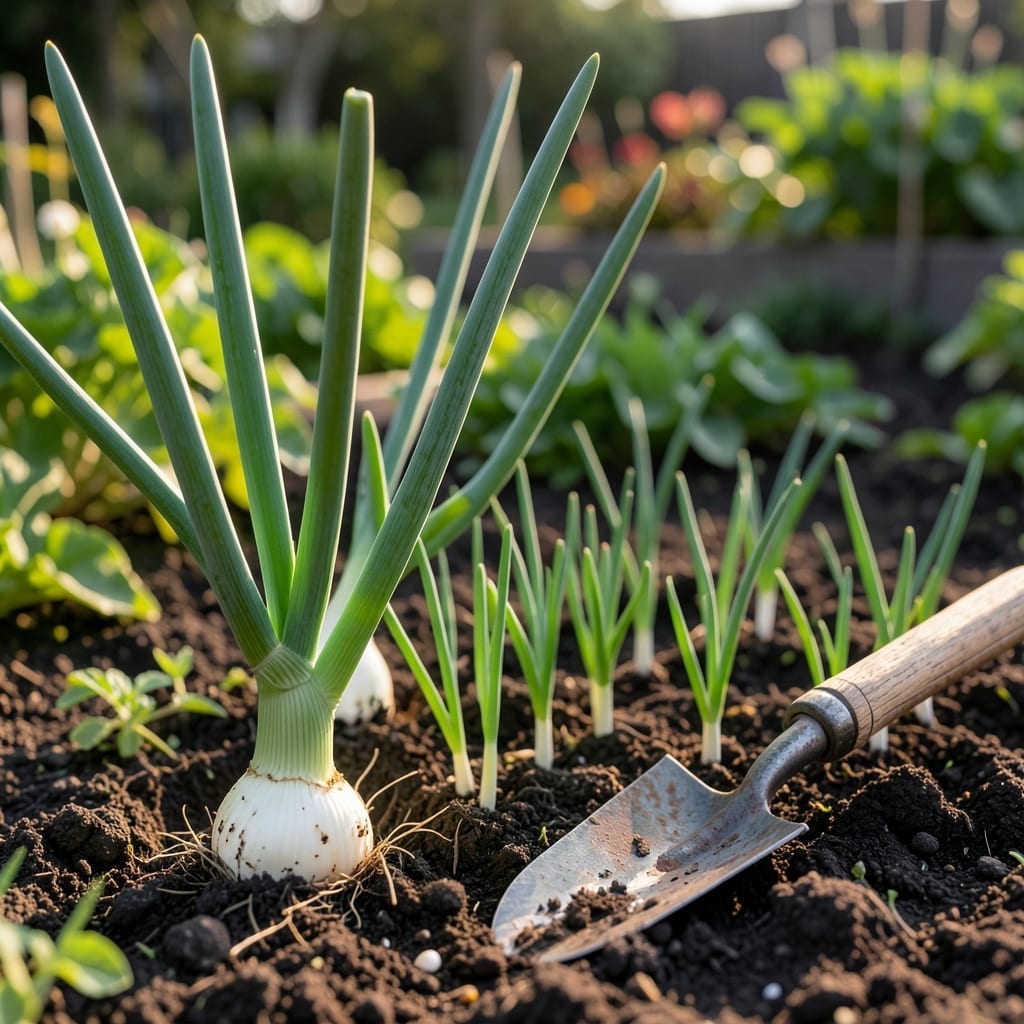
There’s something magical about pulling fresh Green Onions 🧅 from your own soil. I remember my first harvest – the crisp snap of the stems and that unbeatable flavor that store-bought just can’t match.
What many beginners don’t realize is how forgiving these plants are. With just a little know-how, you can go from seed to harvest in as little as 30 days, even in Zone 6.
Discover how a few simple steps can give you a continuous supply of scallions. Let me walk you through the easiest way to get started this spring.


Planting green onions is simpler than most gardeners realize. Whether you start from seeds or regrow from store-bought scraps, the process is quick and rewarding. I’ve found both methods work well with minimal effort.
For best results, plant in well-draining soil with full sun exposure. Green onions thrive in USDA Zone 6 and can tolerate cooler temperatures. This makes them perfect for early spring planting.
If you’re regrowing from scraps, save the white root end (about 1-2 inches) and place it in a glass of water. Roots will regrow in 3-5 days, then transplant to soil.
For outdoor planting, choose a sunny spot with at least 6 hours of sunlight. Green onions are adaptable but perform best with consistent moisture. I recommend mulching to retain soil moisture.
Spacing is key to healthy growth. Crowded plants compete for nutrients, leading to thin, weak stems. Keep rows 12 inches apart for easy access and airflow. This also helps prevent fungal diseases.
When planting from seeds, expect germination in 7-14 days. Keep the soil evenly moist during this period. Once seedlings emerge, reduce watering slightly but never let the soil dry out completely.
For container gardening, use a pot at least 6 inches deep with drainage holes. Green onions have shallow roots, so a wide, shallow container works well. Fill with a mix of potting soil and compost.
Avoid over-fertilizing, which can lead to excessive leaf growth at the expense of the edible stems. Stick to a balanced fertilizer and follow the recommended dosage. Organic options like compost tea work wonders too.
Finally, monitor for pests like aphids or onion maggots. A neem oil spray can deter most issues. With proper care, you’ll enjoy a continuous harvest for months. I love snipping fresh stems as needed!
Remember, green onions are cool-season crops, so start early in spring for the best results. 🌱
Choosing the right green onion variety can make all the difference in your harvest. I’ve tested several types and found that some thrive better in cool climates while others excel in warmer zones. Each brings unique flavors and growth habits.
For beginners, I recommend starting with hardy varieties that tolerate a range of conditions. These are forgiving and produce consistent yields even with minimal care.
| Variety | Growth Habit | Flavor Profile |
|---|---|---|
| Evergreen Hardy White | Upright, cold-hardy | Mild, slightly sweet |
| White Lisbon | Fast-growing, slender | Classic onion flavor |
| Crimson Forest | Red stems, compact | Mild with a hint of spice |
The Evergreen Hardy White is my top pick for northern gardens. It handles light frosts and produces thick, tender stems. Perfect for early spring or fall planting when temperatures dip.
White Lisbon is a classic choice for its quick maturity—ready in just 60 days. It’s ideal for successive planting to ensure a steady supply throughout the season.
For a pop of color, Crimson Forest adds vibrant red stems to your garden and plate. Its mild flavor makes it a favorite for raw dishes. I love its ornamental value in edible landscapes.
All these varieties prefer well-draining soil and full sun, but they’ll tolerate partial shade in hotter climates. Space plants 2-3 inches apart for optimal growth. 🌱