
Beautiful Plants For Your Interior
Beautiful Plants For Your Interior
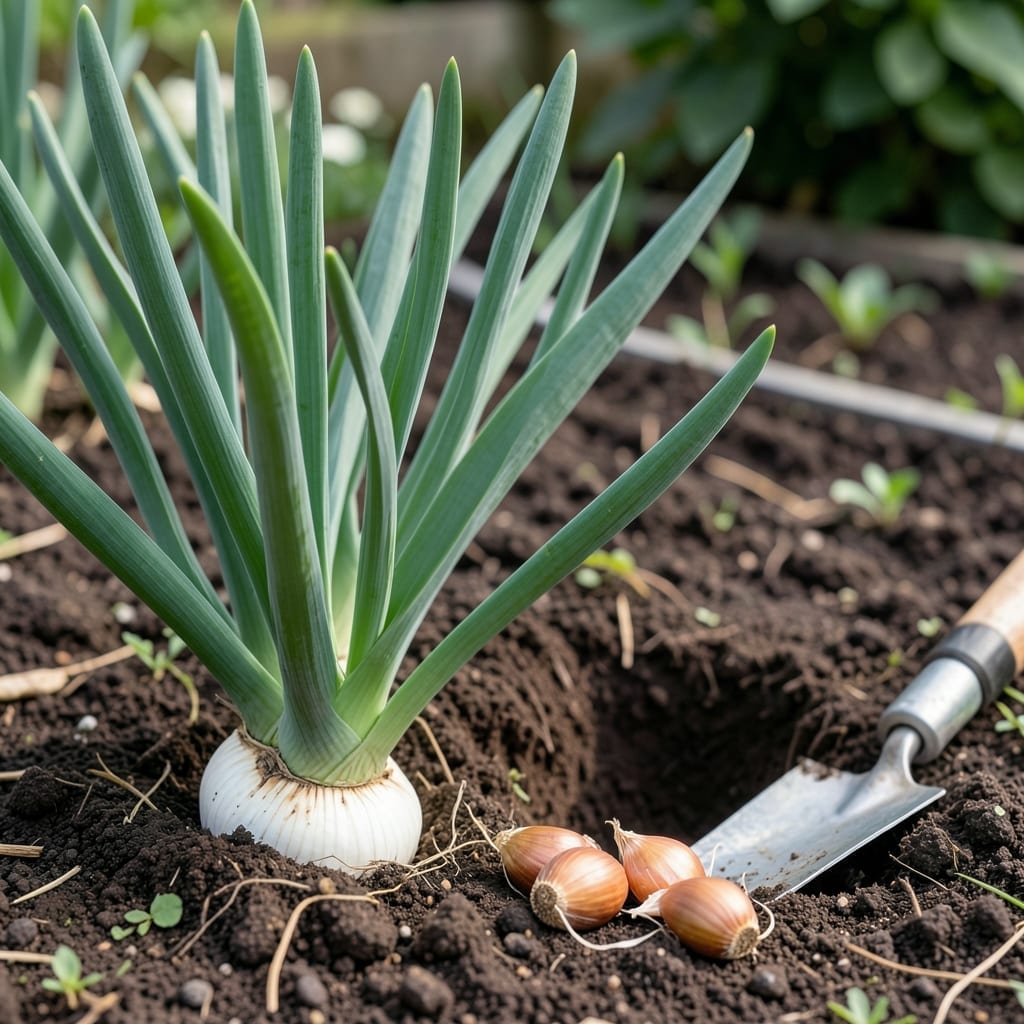
There’s something magical about pulling up fresh garlic from your own garden. I discovered that planting 🧄 in fall gives the cloves time to develop into plump, flavorful bulbs by summer.
Whether you’re a beginner or have a green thumb, this simple process will reward you with homegrown results. The timing and technique make all the difference for bigger harvests.
Learn how to prepare your soil, space the cloves properly, and care for them through the seasons. It’s easier than you might think to grow your own supply.

I’ve found that fall planting gives garlic the head start it needs for bigger bulbs. The key is timing—aim for 4-6 weeks before your first hard frost. This allows roots to establish before winter dormancy.
Start by selecting high-quality seed garlic from a reputable supplier. Avoid grocery store cloves, as they’re often treated to prevent sprouting. Break bulbs into individual cloves just before planting, keeping the papery skin intact.
For soil prep, I always loosen the earth to 12 inches deep and mix in aged compost. Garlic thrives in well-draining soil with a pH between 6.0 and 7.0. Heavy clay? Add sand or organic matter to improve drainage.
Plant each clove 2 inches deep, with the pointy end facing up. This orientation ensures proper growth. Space them 4-6 inches apart in rows that are 12 inches apart for good air circulation.
After planting, I cover the bed with 4-6 inches of straw mulch. This protects the cloves from winter temperature swings and retains moisture. In colder zones, an extra layer of leaves works wonders.
Water your garlic lightly after planting to settle the soil. Then, reduce watering as winter approaches. Come spring, resume watering when you see green shoots emerge. Keep the soil evenly moist but not soggy.
Garlic is a low-maintenance crop, but it benefits from light feeding in early spring. I use a balanced organic fertilizer or compost tea every 3-4 weeks until early summer.
Watch for yellowing lower leaves in late spring—this signals that harvest is near. Stop watering 1-2 weeks before harvest to let the bulbs cure in the ground. This prevents rot and improves storage life.
With proper care, you’ll harvest plump, flavorful bulbs in early summer. I love the satisfaction of pulling up homegrown garlic that’s far superior to store-bought. It’s a rewarding process that any gardener can master.
🌱Choosing the right garlic variety can make or break your harvest. I’ve tested both hardneck and softneck types in my garden, and each has unique advantages depending on your climate and flavor preferences.
Hardneck garlic produces larger cloves and thrives in colder climates. It sends up a flower stalk (scape) that you can harvest early for a mild garlic flavor in pesto or salads.
Silverskin is my go-to for long-term storage and performs well in milder winters. It’s the type you most often find in grocery stores because of its excellent keeping qualities and adaptability to mechanical planting.
Artichoke varieties are great for beginner gardeners because they’re more forgiving of planting conditions. They produce larger bulbs with more cloves than hardnecks, though the flavor is milder.
For cold regions, I recommend Purple Stripe or Porcelain hardnecks. These varieties handle frost well and develop bold flavors that intensify in cold weather.
Remember that seed quality matters more than variety. Always source from reputable growers to avoid disease. I’ve had best results with certified disease-free stock from specialty nurseries.
🌱