
Beautiful Plants For Your Interior
Beautiful Plants For Your Interior
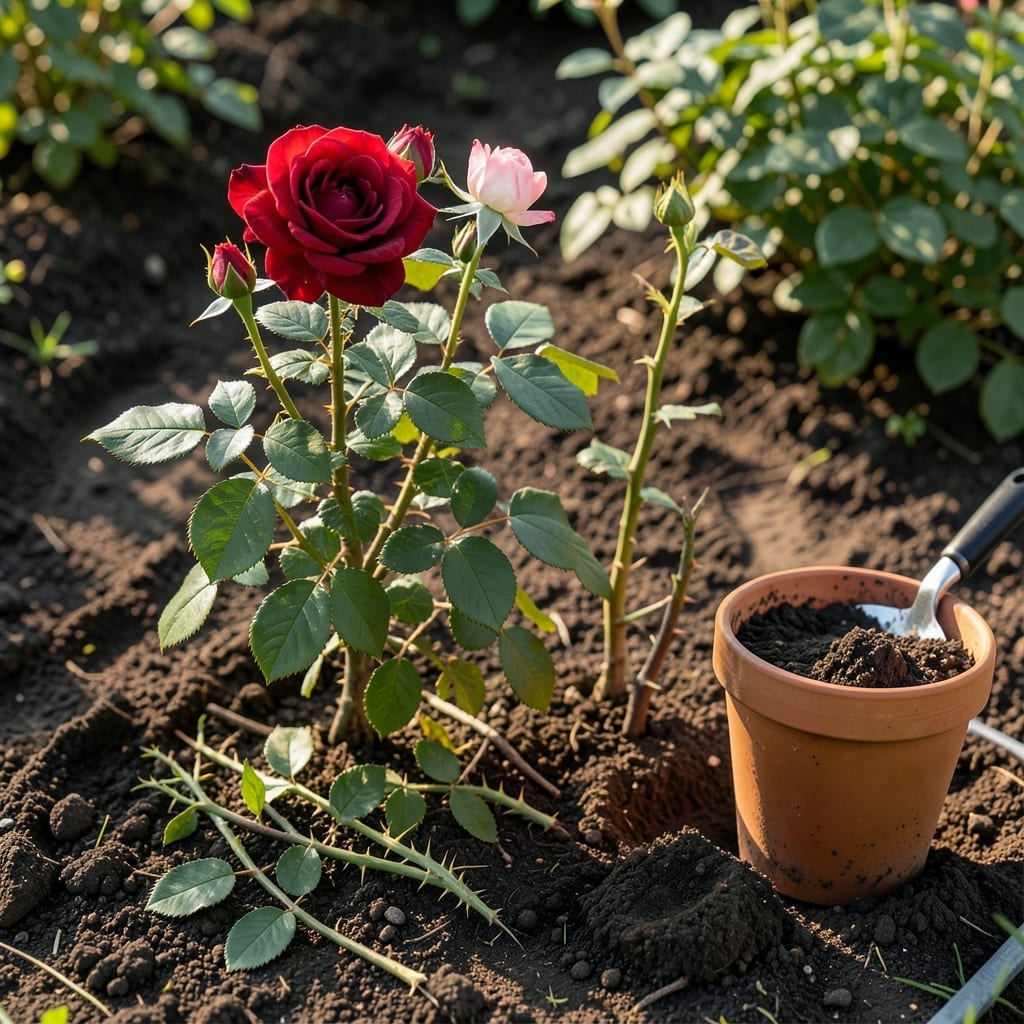
Transform a single 🌹 stem into a thriving new plant with the simple art of propagation. It’s easier than you think to multiply your garden favorites.
I’ve successfully rooted dozens of Rose cuttings using methods that consistently work. Whether you’re a beginner or seasoned gardener, this approach saves money while expanding your collection.
Discover the step-by-step process that turns simple cuttings into blooming plants. Let me show you how to make it happen in your own garden.


Propagating roses from cuttings is one of the most rewarding gardening projects you can try. I’ve found that spring or early summer is the best time to start, when the plant is actively growing and full of vigor.
You’ll need healthy stem cuttings about 6-8 inches long, taken just below a leaf node. Always use clean, sharp pruners to avoid damaging the plant tissue. ✂️
For water propagation, change the water every 3-4 days to prevent bacterial growth. I’ve had great success with this method for hybrid tea roses and floribundas.
If using soil propagation, a mix of 50% perlite and 50% peat moss provides the ideal balance of moisture retention and drainage. Keep the soil temperature around 70-75°F for best results.
Once roots are 1-2 inches long, your cutting is ready for transplanting. I recommend hardening off the new plants by gradually exposing them to outdoor conditions over 7-10 days.
Label your cuttings with the rose variety and date—it’s easy to forget which is which! Use a permanent marker on plastic tags or popsicle sticks to keep track.
Remember that patience is key. Some cuttings root in as little as 2 weeks, while others may take 2 months. Don’t give up if you don’t see immediate results!
I’ve found that morning cuttings often root faster because the plant is fully hydrated. Always take cuttings from disease-free plants to ensure your new roses start healthy. 🌹
Finally, keep your propagated roses in a sheltered location for their first winter if you’re in a colder climate. This gives them time to establish strong root systems before facing harsh conditions.
Not all roses root equally from cuttings. I’ve learned that hybrid teas and floribundas consistently perform best, with success rates over 80% when conditions are right. These varieties grow vigorously and adapt well to propagation. 🌹
Climbing roses also root reliably, though they may take slightly longer. Their strong growth habit makes them ideal for creating new plants that will quickly cover trellises or fences.
| Variety | Rooting Success | Best Season | Time to Root |
|---|---|---|---|
| Hybrid Teas | High | Spring | 3-4 weeks |
| Floribundas | Very High | Early Summer | 2-3 weeks |
| Climbers | Moderate | Late Spring | 4-6 weeks |
| Old Garden Roses | Low | Early Summer | 6-8 weeks |
Avoid grafted roses or patented varieties, as these often fail to root or may not produce true to type. I made this mistake early on and wasted weeks waiting for cuttings that never took. ✂️
For best results, take cuttings in morning hours when plants are most hydrated. Semi-hardwood stems, which are neither too soft nor too woody, root most reliably for most rose types.
I’ve found that miniature roses can be tricky but often succeed with extra humidity. Use a propagation chamber or misting system to maintain consistent moisture around the leaves.
Remember that local climate affects success rates. In humid regions, roses often root faster than in arid areas. Adjust your expectations based on your growing conditions. 🌱