
Beautiful Plants For Your Interior
Beautiful Plants For Your Interior
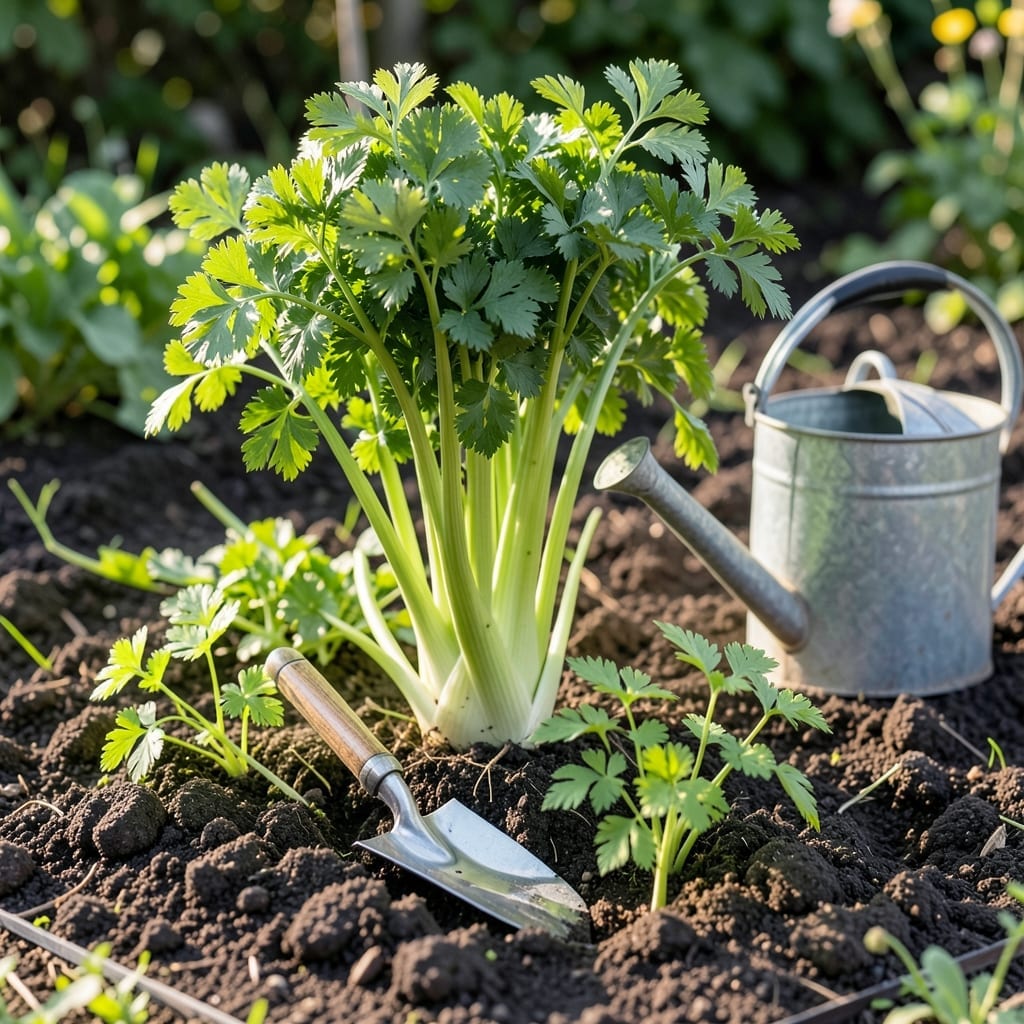
Planting celery seedlings the right way sets the foundation for a bountiful harvest of crisp, flavorful stalks. Unlike many vegetables, 🥬 Celery requires careful handling at this early stage to thrive.
I’ve learned that even small mistakes now can stunt growth or lead to weak plants later. Whether you’re a first-time gardener or looking to improve your yields, getting this step right is the key.
From soil prep to spacing, every detail matters when you’re working with these delicate starts. The good news? With the right approach, you can set your Celery up for success from day one.
Discover how to give your seedlings the strongest start possible, so you can enjoy that fresh, homegrown crunch all season long.

Planting celery seedlings correctly ensures they establish strong roots and avoid transplant shock. I always start by choosing a cloudy day or late afternoon to minimize stress on the young plants. This timing helps them adjust without the harsh midday sun beating down on them.
The first step is preparing the soil properly. Celery thrives in rich, well-draining soil with a pH between 6.0 and 6.8. I work in plenty of compost or aged manure to boost fertility and improve moisture retention, which celery loves.
After planting, I
One thing I’ve learned is that celery prefers cooler temperatures. For best results, I plant seedlings 2-3 weeks before the last frost when soil temperatures are between 50-70°F. This gives them time to establish before warmer weather arrives.
To protect my seedlings, I use row covers if unexpected cold snaps are forecasted. This extra layer provides frost protection while still allowing light and air to reach the plants. It’s a simple step that can save a whole crop.
I also pay close attention to spacing requirements. Crowded celery plants compete for nutrients and sunlight, leading to weak, spindly stalks. By giving each seedling enough room, I ensure they develop thick, crisp stalks that are a joy to harvest.
For an added boost, I apply a balanced liquid fertilizer diluted to half strength 2 weeks after transplanting. This gives the seedlings the nutrients they need to start growing vigorously in their new home.
Finally, I monitor for pests like aphids or slugs, which can be problematic for young celery plants. A simple neem oil spray or beer traps can keep these pests at bay without harming the plants.☀️
I’ve seen many gardeners struggle with celery seedlings because they skip hardening off. This process gradually introduces young plants to outdoor conditions, preventing transplant shock that can stunt growth for weeks.
Another frequent error is overcrowding seedlings. Celery needs 8-10 inches between plants to develop thick, crisp stalks. Pack them too tightly, and you’ll end up with spindly, weak growth.
Avoid These Celery Seedling Pitfalls
Many gardeners also misjudge soil moisture. Celery has shallow roots and requires consistent watering. Let the soil dry out, and your seedlings will wilt quickly. I recommend mulching to retain moisture.
Don’t forget about soil temperature. Celery prefers 60-70°F soil for best growth. Planting in cold soil can cause stunted development or even seedling death.
Lastly, avoid fertilizer burn by using a balanced 5-10-10 formula and applying it 2-3 weeks after transplanting. Too much nitrogen early on produces leafy growth at the expense of stalks.
By steering clear of these common mistakes, you’ll give your celery seedlings the best chance to thrive and produce those crisp, flavorful stalks we all love. 🌱