
Beautiful Plants For Your Interior
Beautiful Plants For Your Interior
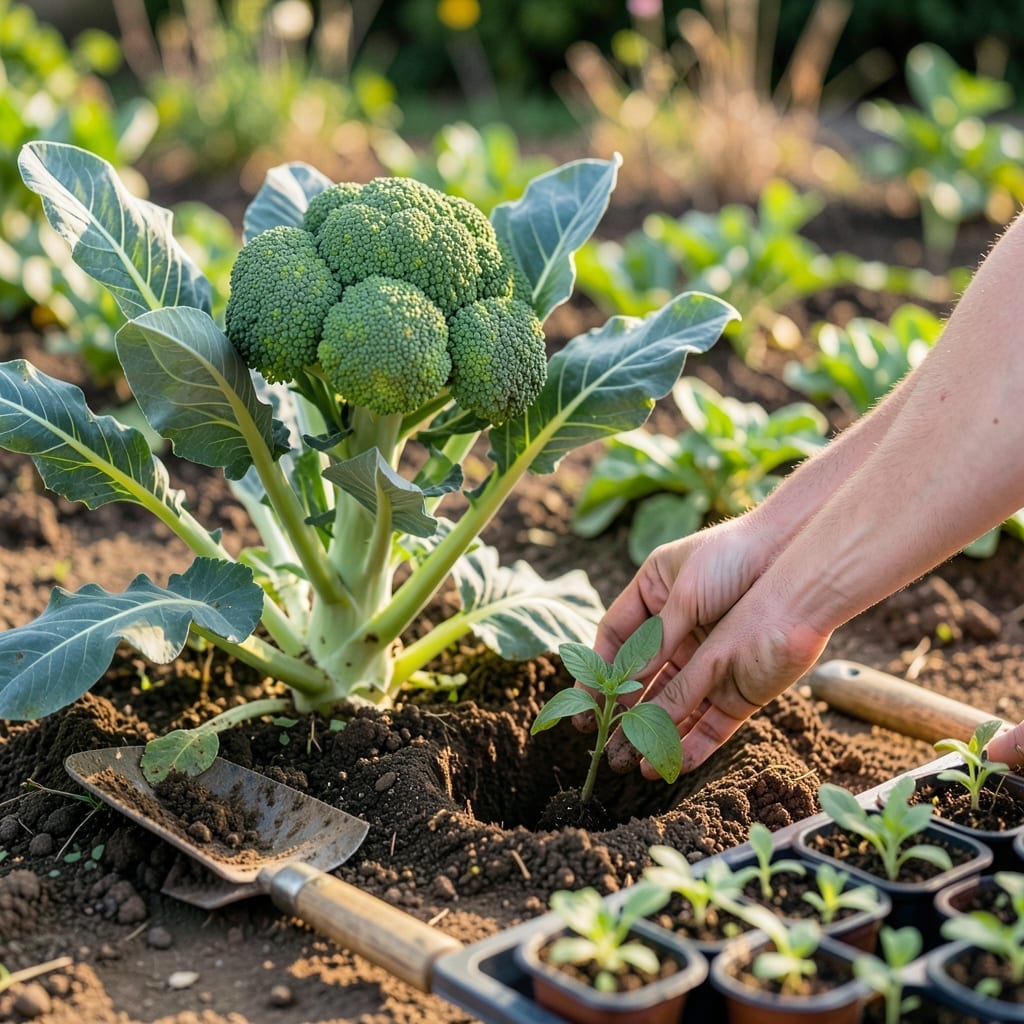
Planting broccoli seedlings the right way sets the stage for a bountiful harvest of crisp, flavorful florets. Whether you’re a beginner or seasoned gardener, mastering this process ensures strong 🥦 Broccoli plants.
I’ve learned that proper timing and technique make all the difference. In Zone 6, getting your seedlings in the ground during the right window can mean the difference between success and struggle.
What if I told you that avoiding just 3 common mistakes could transform your broccoli crop? The good news is that with a few simple adjustments, you’ll be well on your way to a thriving garden.
Discover the step-by-step method that takes the guesswork out of planting. From soil prep to aftercare, I’ll walk you through everything you need to know for healthy, productive plants.

Planting broccoli seedlings at the right time is crucial for success. In Zone 6, aim to transplant 2-3 weeks before the last frost date in spring, or 10-12 weeks before the first frost in fall. This timing helps avoid temperature stress.
I always start by hardening off my seedlings over 7-10 days to acclimate them to outdoor conditions. This gradual exposure prevents transplant shock and ensures stronger plants.
After planting, I monitor the soil moisture closely. Broccoli plants need consistent moisture but can suffer if the soil becomes waterlogged. A good rule is to water when the top inch of soil feels dry.
I’ve found that using a balanced fertilizer with a 10-10-10 NPK ratio works well for broccoli. Apply it every 4-6 weeks to support steady growth, but avoid over-fertilizing, which can lead to excessive leaf growth at the expense of florets.
Proper sunlight exposure is non-negotiable for broccoli. Ensure your plants receive at least 6 hours of direct sunlight daily. In hotter climates, afternoon shade can help prevent bolting.
One thing I always emphasize is the importance of good air circulation around your plants. This helps prevent fungal diseases, which broccoli can be susceptible to, especially in humid conditions.
If you notice the leaves turning yellow, it might be a sign of nutrient deficiency or overwatering. Adjust your care routine accordingly, and don’t hesitate to test your soil if problems persist.
Finally, keep an eye out for pests like cabbage worms or aphids. Regular inspections and organic pest control methods, such as neem oil or row covers, can keep your plants healthy. 🌱
For broccoli seedlings to thrive, the right conditions are non-negotiable. I always start by ensuring my plants get 6+ hours of direct sunlight daily. This vegetable is a sun-worshipper, and shady spots will only lead to leggy, weak growth.
Soil quality is just as critical. Broccoli prefers well-draining soil with a pH between 6.0 and 7.0. If your soil is too acidic or compacted, your seedlings will struggle to establish strong roots. A quick soil test can save you a lot of trouble later on.
| Requirement | Specification |
|---|---|
| Sunlight | 6+ hours daily |
| Soil pH | 6.0-7.0 |
| Moisture | Consistent, not soggy |
| Temperature | 60-70°F |
Temperature plays a huge role too. Broccoli seedlings do best when daytime temps are between 60-70°F. If you’re planting in early spring or late summer, keep an eye on the forecast. A sudden cold snap or heatwave can stress your young plants.
Watering is another key factor. I aim for 1-1.5 inches of water per week, keeping the soil evenly moist but never waterlogged. Overwatering can lead to root rot, while underwatering will stunt growth. Morning watering is ideal to prevent fungal issues.
Finally, don’t overlook spacing. Each broccoli seedling needs 18-24 inches of space to grow properly. Crowding them will result in smaller heads and increased disease risk. I mark my rows with stakes to ensure consistent spacing.
With these conditions dialed in, your broccoli seedlings will have everything they need to grow into strong, productive plants. It’s all about giving them the right start. 🌱