
Beautiful Plants For Your Interior
Beautiful Plants For Your Interior
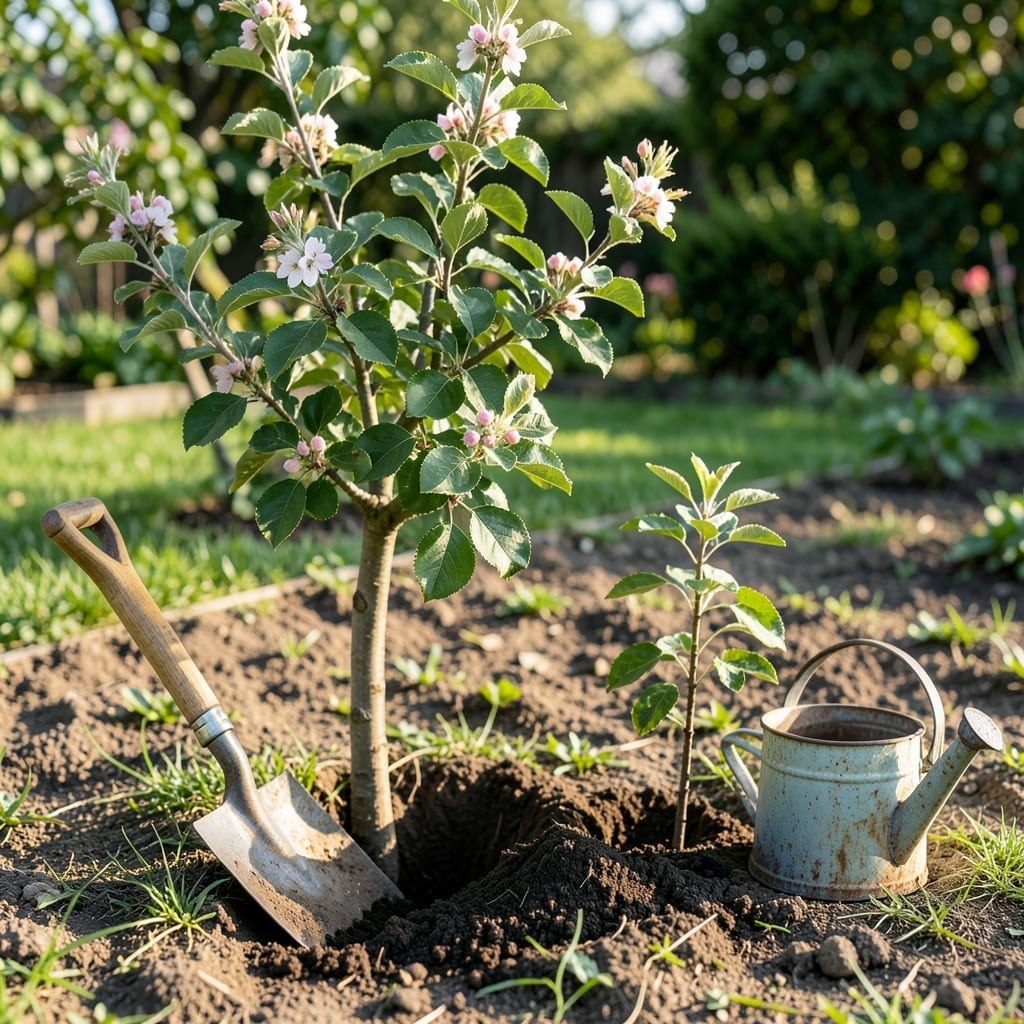
There’s something magical about watching a tiny 🍎 Apple sapling grow into a towering tree laden with fruit. It all starts with that first planting moment, where proper technique sets the stage for years of bountiful harvests.
I’ve seen too many beginners struggle with weak trees or poor yields simply because they skipped key steps in the planting process. The good news? Getting it right is easier than you think.
Let me walk you through the proven methods that will give your Apple seedlings the strongest start possible. You’ll be enjoying homegrown apples before you know it.
Planting apple seedlings correctly gives your tree the best start for strong root growth and future fruit production. I always begin by choosing the right location with full sun exposure.
The ideal spot gets 6-8 hours of direct sunlight daily. Avoid low areas where cold air or water might pool around the roots.
I recommend testing your soil before planting. Apple trees thrive in well-draining soil with a pH of 6.0-7.0. A simple test kit from your garden center will tell you if amendments are needed.
The planting hole should be wide enough to accommodate the roots without crowding. I’ve found that 2-3 feet in diameter works well for most seedlings. This gives roots room to spread outward.
When positioning your seedling, look for the graft union – that’s the bulge near the base. This must stay above soil level to prevent the scion from rooting. I’ve seen trees struggle when this was buried too deep.
After planting, create a watering basin around the tree to help direct water to the roots. This simple technique helps young trees establish faster, especially during dry spells.
Spacing is crucial for mature trees. Standard apple trees need 15-20 feet between plants, while dwarf varieties can get by with 8-10 feet. Always check the tag for your specific variety.
I always stake young trees in windy areas. Use a flexible tie to secure the trunk to a sturdy post, allowing some movement for trunk development while preventing damage.
Remember, the first year is about establishing roots, not fruit. I remove any early blooms to direct energy toward growth. This patience pays off with stronger trees and better harvests later.
☀️Creating the ideal environment is key to growing thriving apple trees from seedlings. I always start by ensuring the location meets all the tree’s basic needs for sunlight, soil, and space.
Apple trees require full sun – that means 6-8 hours of direct sunlight daily. They also prefer well-draining soil with a slightly acidic to neutral pH of 6.0-7.0. Without these, even the healthiest seedling will struggle.
| Requirement | Specification |
|---|---|
| Sunlight | 6-8 hours daily |
| Soil pH | 6.0-7.0 |
| Soil Type | Well-draining loam |
| USDA Zones | 3-8 |
| Spacing | 15-20 ft standard |
I’ve found that spring planting works best in most climates. This gives the tree time to establish roots before summer heat and winter cold. The soil should be workable, not frozen or waterlogged.
For drainage, I improve heavy clay soils by mixing in organic matter like compost. Raised beds can also help in poorly draining areas. Remember, apple trees hate wet feet – standing water can rot the roots.
Companion planting can boost growth. I like planting chives or garlic nearby to deter pests. Avoid planting near walnut trees, as they release chemicals that inhibit apple tree growth.
In colder climates, consider disease-resistant varieties like Liberty or Freedom. These need less spraying and handle harsh conditions better. Always check your local nursery for the best types for your area.
Finally, remember that consistent care in the first year is crucial. Regular watering, especially during dry spells, will help your seedling grow into a strong, productive tree.
🌳