
Beautiful Plants For Your Interior
Beautiful Plants For Your Interior
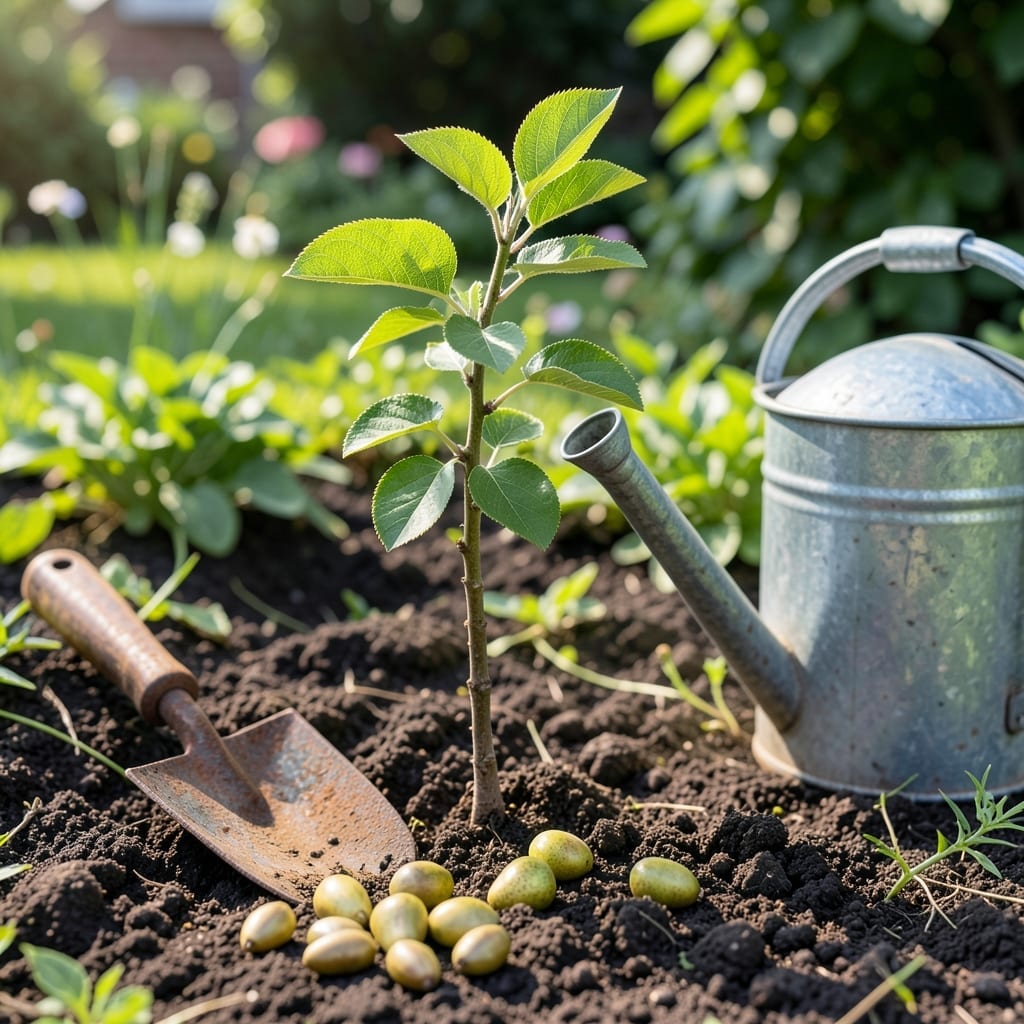
Did you know you can grow a full-sized fruit tree from just one pear seed? It’s simpler than you might think, and the rewards are incredible.
With the right approach, that tiny 🍐 seed can become a thriving tree in your yard. I’ll walk you through the essential steps to ensure success from the very first planting.
Discover how to create the perfect conditions for your Pear to flourish and take the first step toward homegrown fruit today.


Growing a pear tree from seed is a deeply satisfying project that starts with proper seed preparation. Unlike store-bought trees, seed-grown pears carry the unique genetic potential of the fruit you enjoyed. I always begin by selecting ripe pears from a healthy tree.
First, you’ll need to extract and clean the seeds thoroughly to remove any fruit residue. This prevents mold during the critical stratification process, which mimics winter conditions to break dormancy.
The stratification step is non-negotiable for pear seeds. I place mine in a sealed bag with damp paper towels and store them in the fridge. This cold treatment tricks the seeds into thinking winter has passed, significantly improving germination rates.
After stratification, I plant in small pots rather than directly in the ground. This gives me better control over moisture levels and protects the delicate seedlings from pests. The soil should be light and airy, with perlite or sand mixed in.
When planting, I make sure the seeds are only 1/4 inch deep. Pear seeds need light to germinate, so planting too deep can prevent sprouting. I also label my pots with the date and pear variety – it’s easy to forget these details!
Consistent moisture is key during germination. I use a spray bottle to keep the soil damp without disturbing the seeds. A plastic bag over the pot can create a mini greenhouse effect, but
Once your pear seedlings emerge, they’ll need plenty of light. A south-facing window works, but I’ve found grow lights give more consistent results, especially in early spring when daylight is still limited.
The transition outdoors should be gradual. I start by placing seedlings outside for a few hours each day, increasing the time over a week. This hardening off process prevents shock from sudden changes in temperature and light.
Remember, pear trees grown from seed may take 5-10 years to bear fruit, but the wait is worth it for the unique trees you’ll create. 🌱
Creating the ideal environment is crucial for your pear seeds to thrive. I’ve learned that pear trees need consistent conditions to grow strong and healthy from the start. The right balance of sunlight, soil, and water makes all the difference.
Pear trees are sun worshippers, requiring at least 6-8 hours of direct sunlight daily. Without enough light, seedlings become leggy and weak. I always place my pots where they’ll get full morning sun.
| Requirement | Specification |
|---|---|
| Sunlight | 6-8 hours daily |
| Soil Type | Well-draining loam |
| pH Range | 6.0-7.0 |
| Water | Keep moist, not soggy |
| USDA Zones | 5-9 |
The soil mixture is just as important as sunlight. Pear seeds need a loamy texture that drains well but retains some moisture. I mix potting soil with perlite and a bit of compost for nutrients. Avoid heavy clay soils that can suffocate young roots.
Watering is a delicate balance. The soil should stay evenly moist but never waterlogged. I check the top inch of soil daily—if it’s dry, it’s time to water. Overwatering is a common mistake that leads to root rot and stunted growth.
Temperature matters too. Pear seeds germinate best at 60-70°F. If you’re starting indoors, a heat mat can help maintain consistent warmth. Once outdoors, ensure night temperatures stay above 40°F. 🌱
Finally, protect your seedlings from strong winds and pests. I use a cloche or row cover for young plants until they’re established. With these conditions met, your pear seeds will have the best chance to grow into strong, productive trees. 🌳