
Beautiful Plants For Your Interior
Beautiful Plants For Your Interior
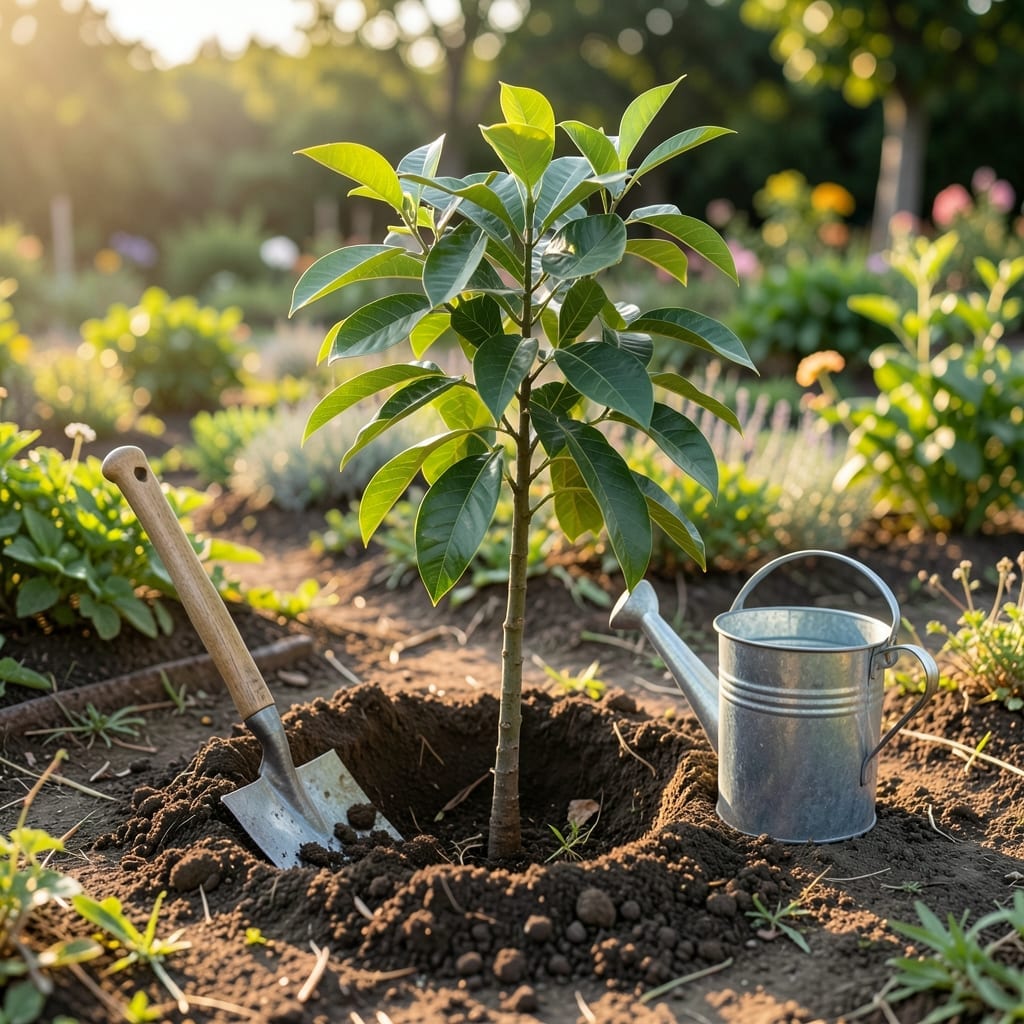
Imagine plucking a ripe, juicy 🥭 mango from your own backyard tree. Growing your own mango from seed is simpler than most people realize, and with the right approach, you could be enjoying homegrown fruit in just a few years.
Whether you’re a gardening pro or just starting out, I’ll walk you through the easiest way to get your tree off to a strong start. The process is straightforward, but there are a few key details that make all the difference.
Discover how to prepare your seed, choose the perfect spot, and avoid the most common mistakes that beginners make. Let’s get your tropical garden growing!

Starting a mango tree from seed is an exciting project that rewards patience. I always recommend using a ripe mango from a grocery store or local market as your starting point. The seed inside needs to be fresh for best germination results.
First, you’ll want to remove the outer husk from the seed carefully. This exposes the inner seed which is what we’ll plant. I find using a sharp knife helps, but be cautious not to damage the seed itself.
Once your seed is ready, choose a small pot with drainage holes. Mango trees hate soggy roots, so proper drainage is non-negotiable. I like to use a cactus or succulent mix as it provides the right balance of moisture retention and drainage.
Plant your seed about 1 inch deep in the soil, with the flat side down. This orientation helps the roots emerge properly. After planting, give it a light watering – just enough to settle the soil around the seed.
Place your pot in a warm location that gets plenty of indirect light. A sunny windowsill works well, but avoid direct hot sun at first. I’ve found that 70-85°F is the ideal temperature range for germination.
Be patient – germination typically takes 2-4 weeks. During this time, keep the soil consistently moist but not waterlogged. I check mine daily and mist the surface if it starts to dry out.
Once your seedling sprouts and grows to about 6 inches tall, it’s time to think about transplanting. Wait until it has 4-6 true leaves before moving it to a larger pot or its final outdoor location.
Remember that mango trees are tropical plants and won’t tolerate frost. If you live in USDA zones 10b-11, you can plant outdoors year-round. In cooler areas, you’ll need to keep it in a container and bring it inside during winter.
For the best results, I recommend starting multiple seeds as not all may germinate. This also gives you the option to select the strongest seedling to keep long-term. With proper care, your mango tree could bear fruit in 3-5 years 🌱
Creating the ideal environment is crucial for your mango tree to thrive. These tropical natives need specific conditions to grow strong and produce fruit. I’ve learned that getting the basics right makes all the difference in long-term success.
Mango trees require full sun exposure for at least 6-8 hours daily. They also prefer warm temperatures between 70-100°F and can’t tolerate frost. The soil should be well-draining with a slightly acidic to neutral pH.
| Requirement | Specification |
|---|---|
| Sunlight | Full sun, 6+ hours daily |
| USDA Zones | 10b-11 |
| Soil Type | Well-draining, sandy loam |
| Soil pH | 5.5-7.5 |
| Water Needs | Regular, deep watering |
| Spacing | 25-30 feet apart |
For container growing, choose a large pot with drainage holes and use a sandy potting mix. I recommend starting with a 15-gallon container and repotting as the tree grows. Remember that container-grown trees will stay smaller than those planted in the ground.
In terms of watering, young trees need consistent moisture but hate soggy roots. I water my mango trees deeply once a week, allowing the top inch of soil to dry between waterings. During hot summer months, you may need to water more frequently.
Mango trees are heavy feeders and benefit from regular fertilization. I use a balanced fertilizer with an 8-3-9 NPK ratio every 4-6 weeks during the growing season. Always follow package instructions for application rates.
Lastly, consider your local climate. If you’re in USDA zones 10b-11, you can plant directly in the ground. For cooler areas, grow in containers and bring indoors when temperatures drop below 40°F. With the right conditions, your mango tree will reward you with beautiful foliage and eventually, delicious fruit 🌳