
Beautiful Plants For Your Interior
Beautiful Plants For Your Interior
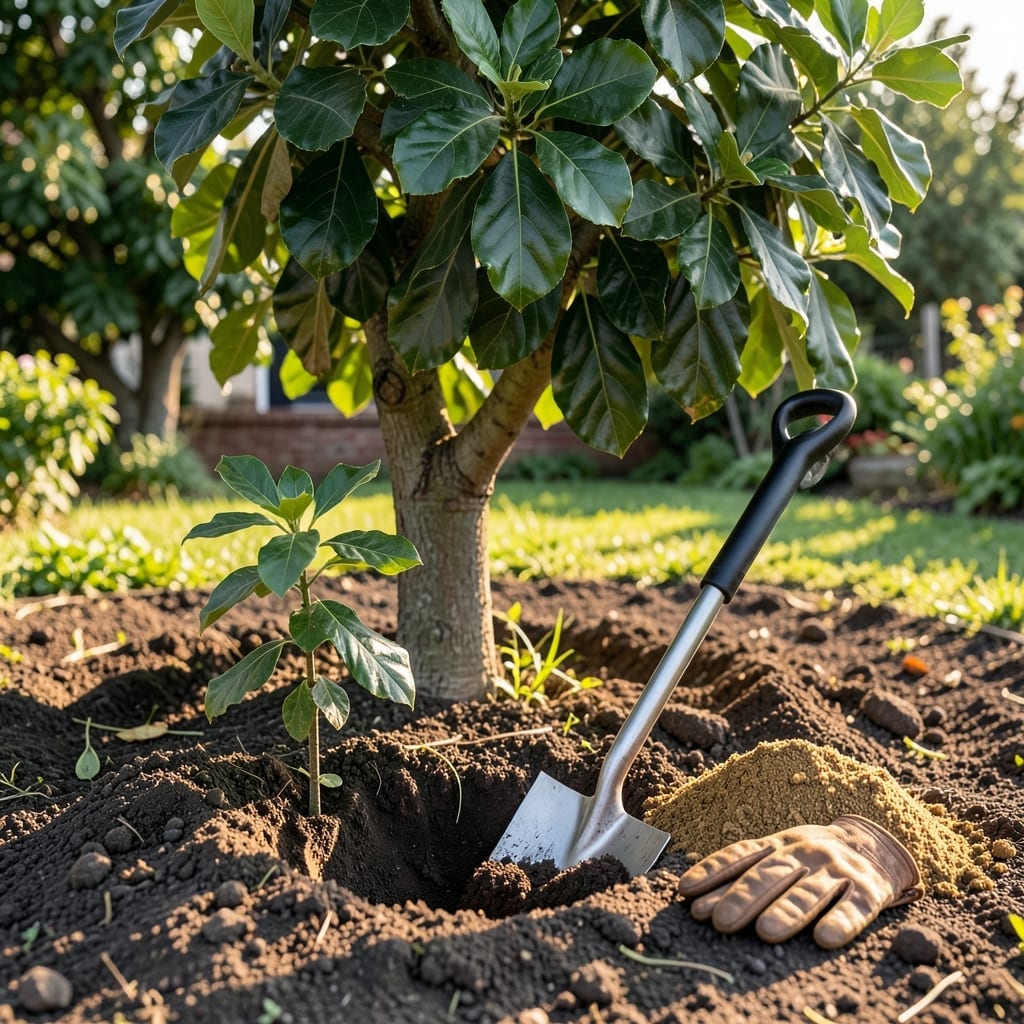
Planting a 🌳 Loquat Tree can reward you with sweet, tangy fruit and lush foliage for years to come. Whether you’re a seasoned gardener or just starting out, this tropical beauty thrives with the right care.
I’ve discovered that getting the basics right makes all the difference. From choosing the perfect spot to understanding its simple needs, you’ll be surprised how easy it is to get started.
Discover how to set your 🌳 Loquat Tree up for success with these essential tips. Let’s dig into what makes this plant a game-changer for any garden.

Getting your loquat tree off to a strong start is simpler than you think. I’ve found that timing and location are the two most critical factors for success. Plant in late winter or early spring when the soil is workable.
Choose a sunny spot with well-draining soil. Loquats thrive in USDA zones 7-10, so if you’re in a colder area, consider a container for easy winter protection. This tree loves warmth but can handle a little shade. 🌳
After planting, keep the soil consistently moist but not soggy for the first few weeks. I recommend checking the top inch of soil—if it’s dry, it’s time to water. This helps the roots establish quickly.
If you’re planting in clay or sandy soil, amend it with compost to improve drainage and fertility. Loquats aren’t picky, but they do best in slightly acidic to neutral soil with a pH of 6.0-7.0. 🌱
Space your trees 15-25 feet apart to allow for their mature size. Dwarf varieties can be planted closer, about 10-12 feet apart. Proper spacing ensures good air circulation and reduces disease risk.
For the first year, focus on establishing a strong root system. Avoid fertilizing immediately after planting—wait until you see new growth, usually after 4-6 weeks. This gives the tree time to settle in.
If frost is a concern in your area, plant near a south-facing wall or use frost cloth to protect young trees. Loquats can handle brief cold snaps, but prolonged freezing temperatures can damage them. ☀️
With these steps, your loquat tree will be well on its way to producing delicious fruit for years. The key is patience and consistency in those first few months. Trust me, the effort is worth it!
Creating the perfect environment for your loquat tree ensures healthy growth and bountiful fruit. I’ve learned that getting the basics right makes all the difference in how well your tree thrives.
Loquats love warm climates and do best in USDA zones 7-10. They need full sun to partial shade, ideally 6+ hours of sunlight daily for optimal fruit production. 🌳
| Requirement | Specification |
|---|---|
| Sunlight | 6+ hours daily |
| USDA Zones | 7-10 |
| Soil Type | Well-draining, slightly acidic |
| Water Needs | Weekly deep soak |
| Mature Size | 10-25 ft tall |
The ideal soil pH for loquats is 6.0-7.0. If your soil is too alkaline or acidic, amend it with compost or sulfur to create the best growing conditions.
For watering, aim for a deep soak once a week during the growing season. Reduce to bi-weekly in winter when the tree is dormant. Always check the top inch of soil before watering.
Loquats are drought-tolerant once established, but young trees need consistent moisture to develop strong roots. Avoid overwatering, as soggy soil can lead to root rot. 💧
If you’re in a colder climate, consider planting your loquat in a container. This allows you to move it indoors during frost warnings and protect it from freezing temperatures.