
Beautiful Plants For Your Interior
Beautiful Plants For Your Interior
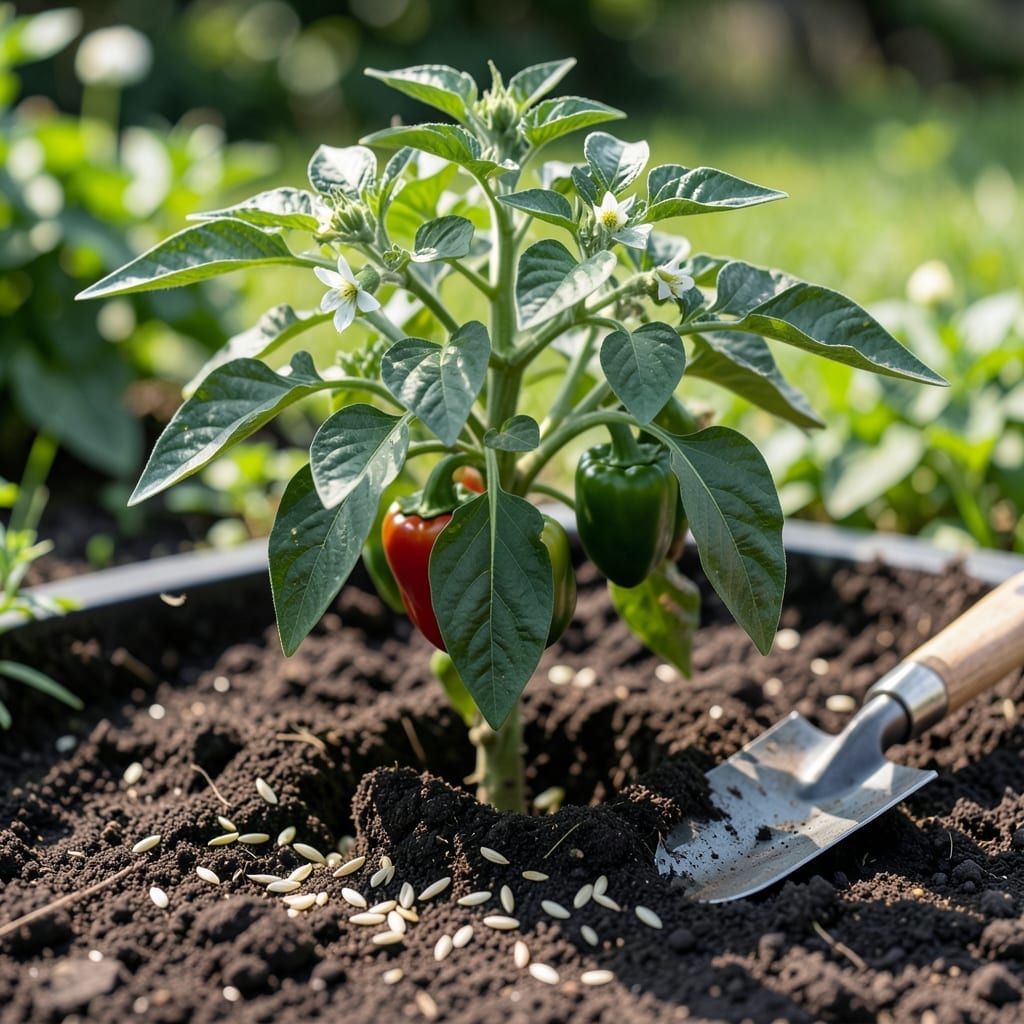
There’s nothing quite like the satisfaction of watching a tiny seed transform into a thriving Bell Pepper 🌶️ plant. Starting from seed gives you control over the entire growing process, and it’s more cost-effective than buying seedlings.
I’ve found that with the right techniques, even first-time gardeners can achieve impressive results. The key is understanding the specific needs of Bell Pepper seeds during germination.
Discover how to create the perfect environment for your seeds to sprout strong and healthy. Let me walk you through the essential steps for success.

Starting Bell Pepper seeds indoors gives your plants a head start before transplanting. I always begin 8-10 weeks before the last frost date for best results. This timing ensures strong seedlings ready for outdoor conditions.
First, select a well-draining seed starting mix to prevent waterlogging. Avoid regular garden soil, as it can compact and hinder germination. A sterile mix reduces the risk of disease for your delicate seeds.
Keep the soil consistently moist but not soggy. I check daily and mist as needed. A spray bottle works better than a watering can to avoid disturbing the seeds.
Once seedlings emerge, remove the plastic cover and move them under grow lights. Keep lights 2-3 inches above the seedlings and adjust height as they grow. This prevents leggy, weak stems.
When true leaves appear (not the initial seed leaves), it’s time to thin seedlings. I gently snip weaker ones at soil level, leaving the strongest one per cell to avoid transplant shock.
Begin hardening off seedlings 1-2 weeks before transplanting. I move them outdoors for increasing periods each day to acclimate to wind and temperature changes.
Transplant when night temperatures stay above 55°F and soil is warm. I always choose a cloudy day or late afternoon to reduce stress on the young plants.
After transplanting, water deeply and add mulch to retain moisture. I space plants 18-24 inches apart in rows 24-36 inches apart for proper air circulation.
With these steps, you’ll enjoy healthy Bell Pepper plants ready to produce an abundant harvest. The key is patience and consistent care during those critical early weeks. 🌱
Even experienced gardeners can struggle with Bell Pepper germination if they overlook key details. I’ve seen many well-intentioned growers make simple errors that stunt their seedlings’ growth from the start.
One of the most common issues is overwatering, which can lead to damping off—a fungal disease that rots young seedlings at the soil line. The soil should stay moist but never soggy. 🌱
Overwatering: Causes root rot and damping off disease
Cold soil: Seeds need 70-80°F to germinate properly
Poor drainage: Use seed-starting mix, not garden soil
Insufficient light: Leggy seedlings result from weak light sources
Another frequent mistake is using cold soil. Bell Pepper seeds need consistent warmth to germinate, typically between 70-80°F. A heat mat can be invaluable for maintaining this temperature.
Many gardeners also underestimate the importance of light quality. Weak or inconsistent light leads to leggy seedlings that struggle to support themselves. I recommend using full-spectrum grow lights for best results.
Poor soil choice is another pitfall. Regular garden soil often compacts and may contain pathogens. Always use a sterile seed-starting mix for the best chance of success. This ensures proper drainage and reduces disease risk.
Finally, don’t rush the process. Bell Pepper seeds can take 7-14 days to germinate. I’ve found that patience and consistent conditions yield the strongest seedlings. Avoid the temptation to dig up seeds to check on them. ☀️