
Beautiful Plants For Your Interior
Beautiful Plants For Your Interior
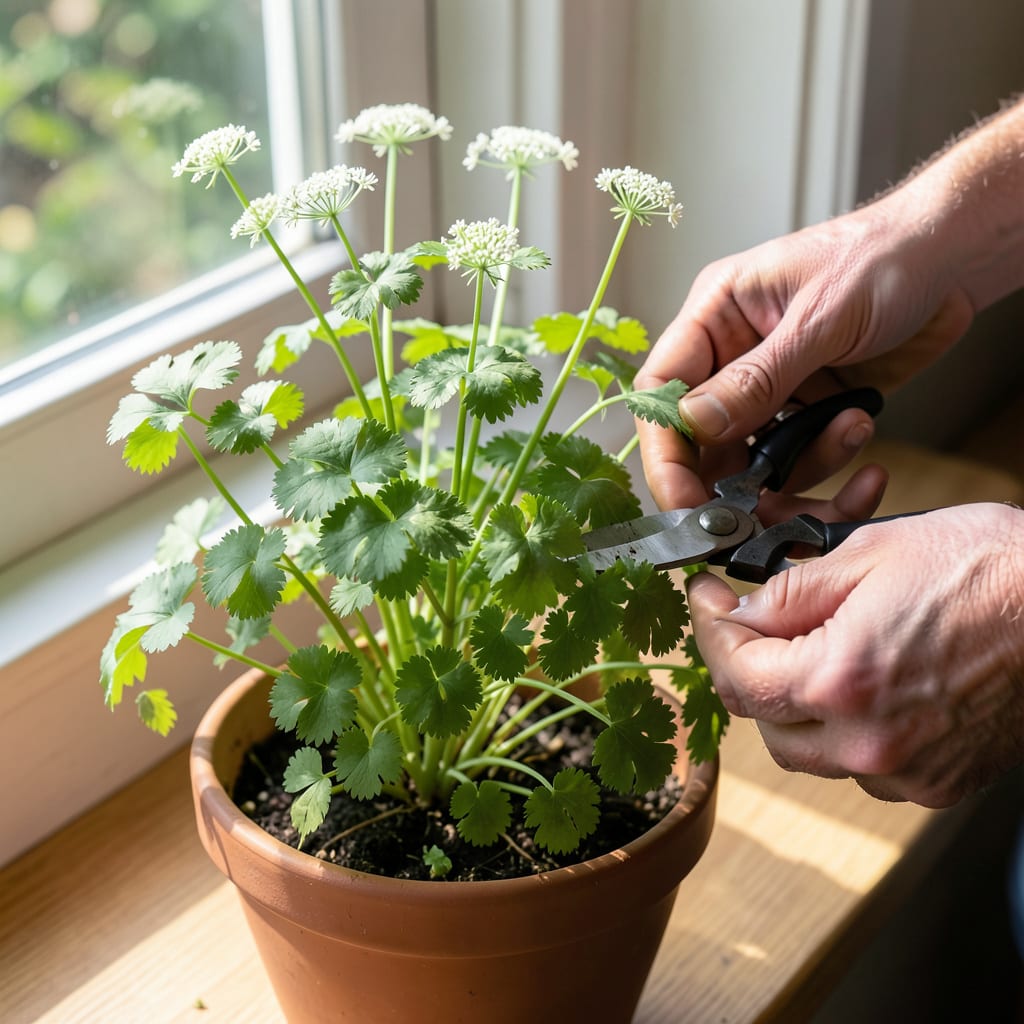
Picking the freshest cilantro can elevate your dishes from ordinary to extraordinary. The secret lies in knowing which leaves and stems to choose.
I’ll show you exactly how to select the best bunches of 🌿 every time. Whether you’re shopping at the store or harvesting from your garden, these tips will ensure you get the most flavorful results.


Selecting the freshest cilantro starts with examining its color and texture. Look for bright, vibrant green leaves with no signs of yellowing or wilting. The stems should feel firm and crisp to the touch.
Fresh cilantro also has a strong, citrusy aroma. If the leaves smell faint or musty, the bunch may be past its prime. Avoid any bunches with slimy spots or visible damage, as these indicate spoilage.
| Freshness Sign | What to Look For |
|---|---|
| Color | Bright green leaves, no yellowing |
| Texture | Firm stems, crisp leaves |
| Aroma | Strong, fresh, citrusy scent |
| Damage | No slimy spots or wilting |
| Pests | Check undersides of leaves |
I always check the undersides of cilantro leaves for hidden pests or webbing. Even small bugs can affect the plant’s freshness and flavor. A quick inspection ensures you’re bringing home high-quality herbs.
Another pro tip: whole cilantro plants stay fresh longer than pre-cut bunches. The roots help maintain moisture, so if you can find potted cilantro at the store, it’s often the best choice for longevity.
When harvesting from your garden, pick outer leaves first. This allows the inner growth to continue developing. Use clean, sharp scissors to snip stems just above the soil line for the best results.
Morning harvesting is ideal because the leaves contain the most essential oils at this time. This ensures maximum flavor and aroma in your picked cilantro. Avoid harvesting in the heat of the day.
For store-bought cilantro, look for bunches stored in refrigerated sections. Exposure to warmth accelerates wilting. If the cilantro is sitting in direct sunlight or near heat sources, it’s likely not the freshest option.
I’ve found that organic cilantro often has a more robust flavor, but conventional options can be just as fresh if selected carefully. The key is consistency in checking for vibrant color and firm texture.
Finally, trust your senses. Fresh cilantro should look, feel, and smell vibrant and alive. If something seems off, it’s better to choose another bunch or wait for a fresher selection 🌿
Many gardeners unknowingly pick flowering cilantro, which develops a bitter taste. Always check for tiny white flowers or seed heads before harvesting. This is the plant’s way of telling you it’s past its prime for leaf picking.
Another common error is ignoring the stem condition. Wilted or rubbery stems indicate the cilantro is old. I always give the stems a gentle squeeze to test for firmness and crispness. This simple check prevents disappointment later.
Avoid These Cilantro Picking Pitfalls
Never choose pre-cut cilantro—it wilts 3x faster than whole plants. Always opt for bunches with roots attached when possible.
Pre-cut cilantro from grocery stores often loses freshness quickly. I’ve noticed it typically lasts only 2-3 days in the fridge, while whole plants can stay fresh for up to a week with proper storage.
Don’t overlook the leaf size either. While larger leaves might seem appealing, they can indicate over-mature cilantro that’s about to bolt. Medium-sized leaves usually offer the best flavor balance.
I also recommend avoiding cilantro stored near ethylene-producing fruits like apples or bananas. This gas accelerates spoilage. In your garden, harvest before the hottest part of the day to preserve essential oils.
Finally, resist the urge to wash cilantro before storing. Excess moisture speeds up wilting. Instead, trim the stems and place them in a jar of water, like fresh flowers, to maintain crispness longer 🌿
Timing and location are key to finding the freshest cilantro. I always look for it at farmers markets early in the morning when vendors have just restocked. The selection is typically fresher than at grocery stores.
For store-bought cilantro, check the produce section for bunches stored in refrigerated cases. Avoid any that are sitting out in warm areas or direct sunlight, as this accelerates wilting and reduces flavor.
Seasonally, cilantro is most abundant in spring and fall. During summer, it may bolt quickly in hot weather, so I check for fresh batches more frequently. In winter, look for greenhouse-grown options.
Before buying, I always do a smell test. Fresh cilantro should have a bright, citrusy aroma. If it smells faint or grassy, it’s not at its peak. Also, give the stems a gentle bend—fresh stems snap cleanly.
For the longest shelf life, choose cilantro with roots still attached. These can be revived in water at home. If roots aren’t available, pick bunches with the most vibrant green leaves and fewest yellow tips.
Remember that cilantro from local growers often tastes better and lasts longer than imported varieties. Supporting local farmers also benefits your community’s agriculture 🌿
Choose vibrant green leaves with no yellowing or wilting. Avoid bunches with slimy spots or visible damage, as these indicate spoilage. Fresh leaves should feel crisp to the touch.
Fresh stems should be firm and crisp. Test by gently squeezing—if they bend easily or feel rubbery, the cilantro is past its prime. Always check for firmness before purchasing.
A faint or musty aroma means the cilantro is old. Fresh cilantro has a bright, citrusy scent. If it smells grassy or weak, it’s best to pick another bunch.
Pre-cut cilantro wilts 3x faster than whole plants. Opt for bunches with roots attached when possible, as they stay fresh longer and maintain better flavor.
