
Beautiful Plants For Your Interior
Beautiful Plants For Your Interior
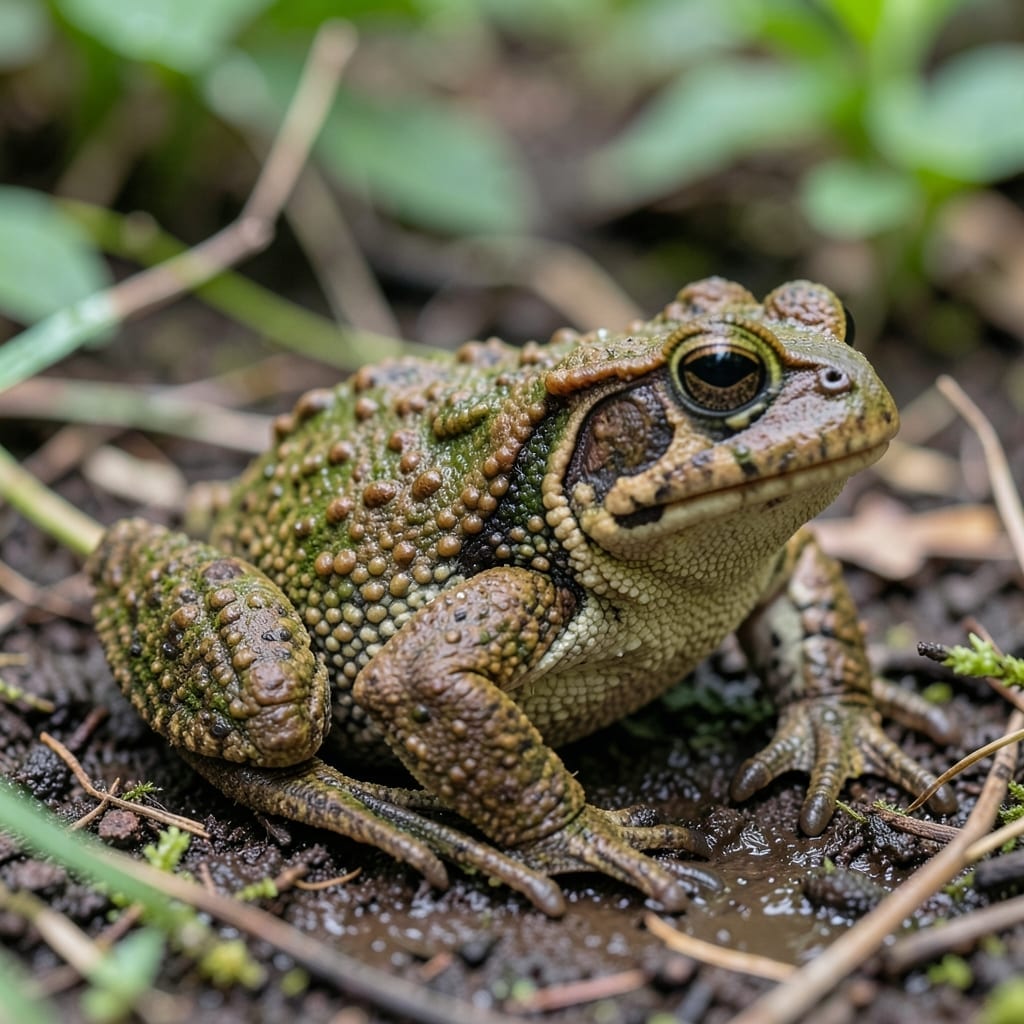
Imagine stepping into your garden and finding a tiny 🐸 Toad Home tucked under a fern, bustling with life. These little amphibians are nature’s pest control, quietly devouring slugs and insects that threaten your plants.
Building a shelter for them takes minimal effort but yields big rewards. You’ll create a thriving ecosystem right in your backyard, supporting biodiversity while keeping harmful pests in check.
With just a few natural materials and the right location, you can craft the perfect haven. I’ll walk you through everything you need to know to make it happen.
Discover how to transform your garden into a toad-friendly zone that works harder for you, naturally.
Creating a toad home is easier than you think. Start by choosing a shady, damp spot in your garden, preferably near a water source like a pond or dripping faucet. Toads love moisture, so this location will make your shelter irresistible.
Gather natural materials like a clay pot, flat stones, or untreated wood. Avoid painted or treated materials, as chemicals can harm these delicate amphibians. A simple overturned pot with a small entrance works perfectly.
For a more permanent toad abode, stack flat stones with small gaps between them. This creates multiple nooks for toads to hide in. Ensure the structure is stable so it doesn’t collapse on your new tenants.
If using wood, opt for untreated cedar or pine. Cut a small doorway and ensure the interior is smooth to prevent injuries. A sloped roof can help rainwater runoff, keeping the inside dry but damp.
Size matters when building a toad home. Aim for at least 8 inches in diameter and 4-6 inches tall. This gives toads enough room to move around comfortably while feeling secure.
Once your shelter is built, maintain dampness by occasionally sprinkling water around it. Avoid disturbing the area, as toads are sensitive to vibrations and changes in their environment.
Check your toad home regularly for signs of occupancy, like damp footprints or insect remnants. If toads haven’t moved in within a few weeks, try relocating the shelter to a cooler, shadier spot. 🌿
Remember, toads are most active at dawn and dusk. Observe your garden during these times to see if your new shelter is being used. Their presence is a sign of a healthy, balanced ecosystem.
With a little patience, your DIY toad home will become a bustling hub of activity. These small amphibians can eat up to 100 pests in a single night, making them invaluable allies in your garden.
Choosing the right location is key to making your toad home a success. Toads thrive in shady, damp areas near water sources like ponds or damp soil. I always recommend placing shelters under bushes or logs for extra protection.
Avoid direct sunlight and dry spots, as toads need moisture to survive. The best materials are natural and breathable, like untreated wood, clay pots, or stacked stones. These blend into the garden while providing safety.
| Requirement | Specification |
|---|---|
| Location | Shady, damp areas |
| Materials | Untreated wood, clay, stones |
| Avoid | Plastic, metal, direct sun |
I’ve found that clay flower pots turned on their sides make excellent toad homes. Just bury the edge slightly in soil and add a small entrance for easy access. This mimics natural burrows toads love.
For extra appeal, surround the shelter with leaf litter or moss. This keeps the area humid and provides camouflage. Toads are more likely to move in when they feel secure from predators.
Remember, toads prefer ground-level shelters with multiple escape routes. If using wood, ensure it’s untreated to avoid harmful chemicals. A moist environment is non-negotiable for their comfort.
With these tips, your toad home will be a five-star retreat for garden helpers. Watch as your pest problems diminish naturally while supporting local wildlife 🌿