
Beautiful Plants For Your Interior
Beautiful Plants For Your Interior
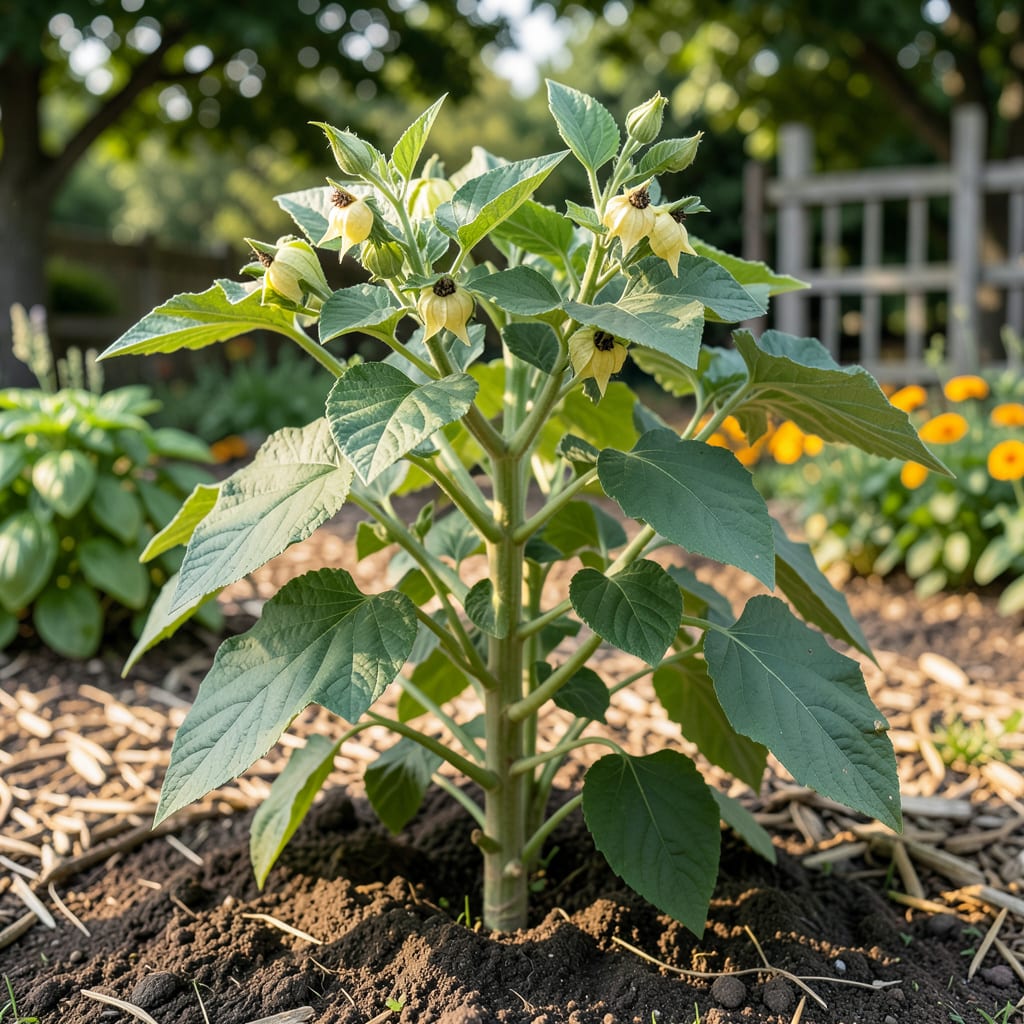
That moment when your tomatillo plants are heavy with fruit—but are they actually ready? Pick too soon, and you’ll get tart, underwhelming flavors. Wait too long, and you risk split skins and spoiled harvests. The difference comes down to two simple signs even beginners can spot.
I’ve lost count of how many gardeners I’ve seen struggle with this exact dilemma. The good news? You don’t need guesswork or complicated tests. By the end of this guide, you’ll know exactly when to pluck those bright green gems—and how to handle them for the best flavor. Let’s cut through the confusion.


If you’ve ever stared at your tomatillo plants wondering, “Are they ready yet?”, you’re not alone. The husk split and fruit color are your two golden tickets to a perfect harvest. But here’s the catch: not all husks split at the same time, and color can trick you if you’re not careful.
I’ve seen gardeners make the mistake of waiting for every single husk to split—only to end up with overripe, mushy fruit. Others pick too early because the tomatillos “look big enough.” Let’s break down the real signs of ripeness, so you never second-guess again. 🌱
| Sign | ✅ Ready to Harvest | ❌ Not Ready Yet |
|---|---|---|
| Husk Appearance | Dry, brown, splits easily 🟡 | Tight, green, no splitting 🟢 |
| Fruit Size | Fills husk completely 🍈 | Small, loose in husk 📏 |
| Fruit Firmness | Slight give, like a ripe tomato 👆 | Hard as a marble 🪨 |
| Color | Bright green or yellow-green (varies) | Dull green or pale |
Pro Tip: If the husk splits but the fruit inside is still small, give it 3–5 more days. Size matters!
The husk split is your first clue, but don’t rely on it alone. Some tomatillos split early, while others stay sealed even when ripe. That’s why I always do the “squeeze test”: gently press the fruit through the husk. If it feels firm but yields slightly, it’s ready.
Color is the second big indicator. Most varieties turn from dull green to a vibrant, almost glossy green when ripe. Purple or yellow varieties (like ‘Purple de Milpa’) will deepen in hue. If your tomatillos stay pale, they need more sun or time. ☀️
Here’s a mistake I see often: gardeners assume all tomatillos on the plant ripen at once. In reality, they mature in staggered waves. Check plants every 2–3 days during peak season (usually 75–90 days after planting) and harvest selectively.
If you’re growing in cooler climates (Zones 5–6), tomatillos may take longer to ripen. I’ve had plants in my Pennsylvania garden produce ripe fruit as late as early October. In hotter zones (7–9), expect harvests as early as late June. Adjust your patience accordingly! 🌡️
Still unsure? Try the “flashlight trick”: shine a light through the husk. If the fruit inside glows bright green and fills the space, it’s ready. If it looks small or shadowy, give it more time. This works especially well for purple varieties, where color can be deceiving.
Once you’ve picked, don’t toss the husks—they’re a great compost addition! Store tomatillos in a paper bag in the fridge for up to 2 weeks, or freeze them whole (husk removed) for 6 months. Avoid plastic bags, which trap moisture and speed up spoilage. 🪴
Remember: tomatillos keep ripening off the vine, but they won’t get sweeter. If you’re forced to pick early (say, before a frost), let them sit at room temperature for 3–5 days to soften slightly. They’ll still work for salsa verde—they’ll just be tarter!
When I first started growing tomatillos, I made the classic mistake of waiting for the husk to turn brown—only to find overripe fruit inside. The real secret? Focus on the husk split and the fruit’s color, not just the husk’s appearance. These two cues are far more reliable.
Most gardeners don’t realize that tomatillos can be ready even if the husk is still partially green. The fruit itself will fill the husk completely, and the color shifts from bright green to a slightly duller, yellowish-green. Let’s break down exactly what to look for—so you never second-guess your harvest again.
| Sign | Not Ready Yet | Perfect for Harvest |
|---|---|---|
| Husk Appearance | Tight, green, no splits 🟢 | Dry, papery, splits open 🟡 |
| Fruit Size | Small, doesn’t fill husk 📏 | Plump, fills husk completely 🍈 |
| Fruit Firmness | Hard as a marble 🪨 | Slight give, like a tomato 👆 |
| Fruit Color | Bright, grassy green | Dull green or yellow-green |
I’ve found that the husk split is the most obvious sign, but don’t wait for it to fully open. If the husk is dry and papery and the fruit inside is plump, it’s time—even if the husk hasn’t split completely. This is especially true in humid climates where husks stay intact longer.
The color test is your backup. Ripe tomatillos shift from a vibrant, almost neon green to a softer, slightly yellowish hue. If you’re growing purple or yellow varieties, wait until the fruit develops its full, mature color. Pro tip: Gently squeeze the fruit—it should feel firm but yield slightly, like a ripe tomato.
One mistake I see often? Gardeners assuming all tomatillos on the plant ripen at once. In reality, they mature staggered over 2–3 weeks. Check plants every 2–3 days during peak season (usually 75–90 days after planting) to catch them at the perfect stage.
If you’re still unsure, harvest a test fruit and cut it open. The seeds should be white or pale green, not clear. Overripe tomatillos turn mushy and develop a bitter taste—so when in doubt, pick earlier and let them ripen indoors for a day or two. Your salsa verde will thank you! 🌿
You’ve mastered the husky split test and harvested your tomatillos at peak ripeness—now what? Proper storage is key to preserving that tangy-sweet flavor. I’ve found that even gardeners who nail the harvest often lose quality through poor handling. Let’s fix that.
The first step is removing the husks gently but thoroughly. Those papery coverings trap moisture, which speeds up spoilage. Rinse the fruit under cool water to wash off the sticky residue (that’s natural sap!). Pat them dry before storing—this simple step extends freshness by days.
For gardeners who love to meal prep, roasting tomatillos intensifies their flavor. Toss halved fruit with a drizzle of oil and roast at 400°F for 15–20 minutes until slightly charred. Store roasted tomatillos in airtight containers for up to 5 days in the fridge.
Avoid the #1 storage mistake: sealing tomatillos in plastic. Trapped ethylene gas accelerates decay. Instead, use perforated bags or wrap individually in paper towels. If you notice the fruit turning yellow, it’s overripe—use it immediately for cooked sauces where texture matters less.
Pro tip: Label your storage containers with the harvest date. Tomatillos lose acidity over time, so older batches work best in cooked dishes, while fresh-picked stars in raw salsas. Now you’re ready to enjoy your harvest without waste! 🌿
Gently press the husk—if it feels loose and the fruit inside is firm but slightly soft (like a ripe tomato), it’s ready. Some varieties split later, so don’t wait if the fruit fills the husk and the color is bright green. Overripe tomatillos turn yellow and mushy.
Yes! If frost threatens, pick all mature tomatillos (even if husks are still green). Place them in a paper bag at room temperature to ripen for 3–5 days. Underripe fruit works for cooked sauces but will lack sweetness for raw dishes.
Tomatillos ripen unevenly due to sunlight exposure and pollination timing. Harvest ripe ones first—they won’t continue ripening on the vine once mature. Check plants every 2–3 days during peak season to catch them at the right stage.
Overripe tomatillos turn yellow, feel soft, or develop wrinkled skin. The husk may also darken excessively. Use these immediately in cooked recipes (like salsa verde) as they’ll spoil quickly. Avoid storing overripe fruit—it ferments faster.
