
Beautiful Plants For Your Interior
Beautiful Plants For Your Interior
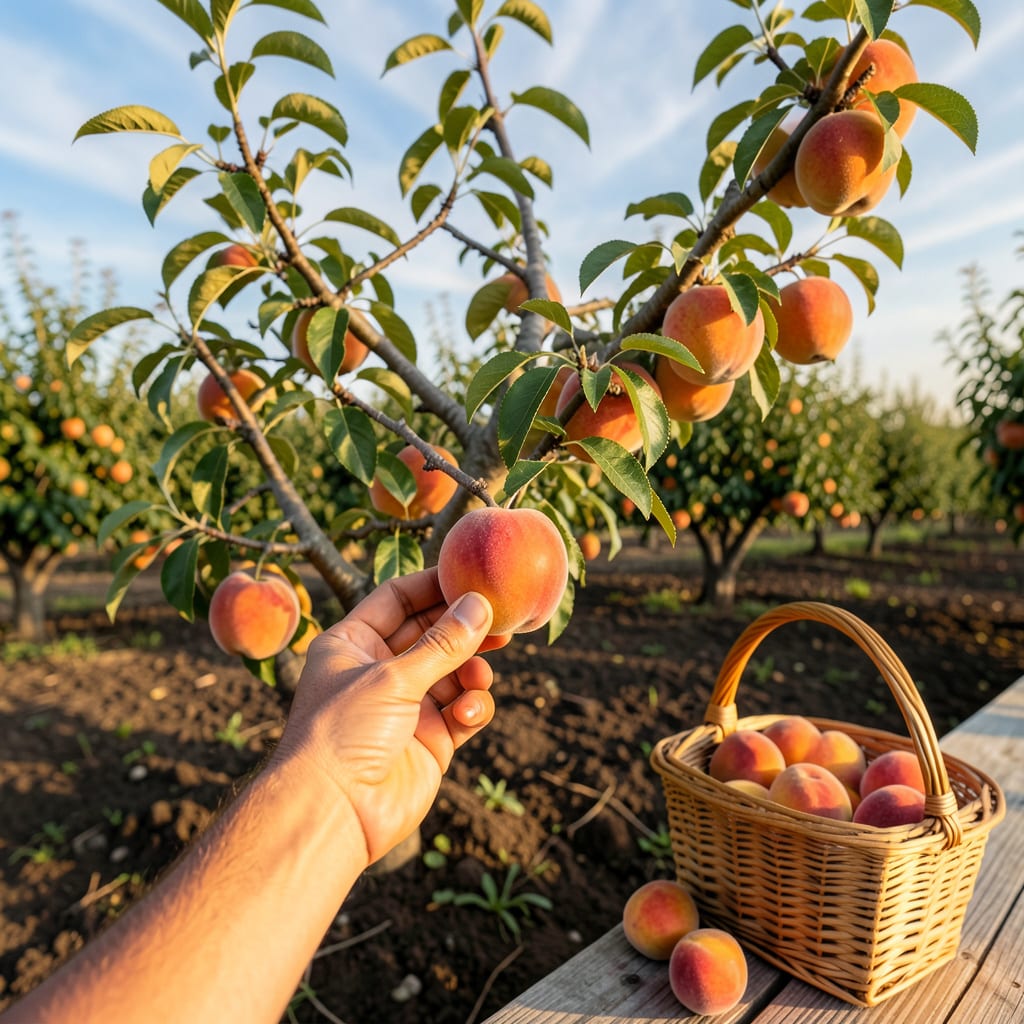
Nothing beats the taste of a perfectly ripe peach straight from your tree—but timing the harvest can feel like a guessing game. One day it’s rock-hard, the next it’s overripe and mushy. What if I told you there are foolproof signs that take all the guesswork out of picking?
The secret lies in a combination of color, scent, and a simple gentle twist test. I’ll walk you through exactly what to look for so you never end up with disappointing fruit again. Whether you’re growing clingstone or freestone varieties, these methods work every time—no advanced gardening skills required.


When your peach tree starts showing fruit, the real challenge begins: knowing exactly when to harvest. I’ve learned that color change is your first clue, but it’s not the only one. A ripe peach transitions from green to vibrant yellow, red, or orange—but some varieties stay partially green even when ready.
The sweet fragrance near the stem is another dead giveaway. If you can smell that honey-like aroma without even touching the fruit, it’s a strong sign of ripeness. This scent develops as the peach’s sugars concentrate, so trust your nose as much as your eyes.
| Ripeness Sign | What to Look For | Why It Matters |
|---|---|---|
| Color Change | Fruit shifts from green to deep yellow/red (varies by variety) | Indicates sugar development and chlorophyll breakdown |
| Sweet Aroma | Strong, sweet scent near the stem end | Volatile compounds signal peak ripeness and flavor |
| Gentle Twist Test | Fruit detaches easily with a light twist | Absence layer cells break down when fully mature |
| Shoulder Color | Area near stem turns yellow or cream (not green) | Last part to ripen—key for clingstone varieties |
The gentle twist test is my go-to method for confirmation. Cradle the peach in your palm and give it a slight twist. If it comes off with minimal resistance, it’s ready. If you’re tugging, leave it for another day. This works because ripe peaches naturally separate from the tree at their abscission layer.
For clingstone peaches, the pit clings to the flesh, so they often need an extra day or two compared to freestones. I check these daily once they start coloring up. Freestones, on the other hand, release more easily when ripe—sometimes they’ll even drop into your hand with a light touch.
Weather plays a huge role too. In hot climates, peaches ripen faster, so I check mine every morning. Cool, cloudy spells slow things down, so I might wait an extra 2–3 days. Always taste-test one fruit first—if it’s sweet and juicy, harvest the rest that look similar.
Here’s a pro tip: Peaches ripen from the inside out. If you cut one open and the flesh near the pit is still white or hard, the others need more time. But if the center is yellow or orange and slightly soft, you’re good to go. This is especially useful for early-season varieties that might look ready but aren’t quite there.
Don’t forget to check the fruit’s texture with a gentle squeeze. It should yield slightly, like a ripe avocado, but not feel mushy. Overripe peaches will be soft all over and may have wrinkled skin. If you press lightly and your fingerprint leaves a dent, it’s past its prime for fresh eating.
For the best flavor, I harvest peaches in the early morning when they’re cool and sugars are most concentrated. If you pick in the afternoon heat, they’ll soften faster and may not store as well. Use a pair of pruners to avoid tearing the spur if the fruit doesn’t twist off cleanly.
Finally, remember that peaches don’t ripen uniformly—even on the same branch. I use a color-coded system with twist ties: red for ready-to-pick, yellow for “check in 2 days,” and green for “not yet.” This helps me track progress without overhandling the fruit. With practice, you’ll get a feel for your tree’s rhythm!
I’ve seen even experienced gardeners get tripped up by a few sneaky mistakes when picking peaches. The biggest one? Judging ripeness by size alone. A peach might look plump and perfect, but if it’s still rock-hard or lacks that sweet aroma, it’s not ready yet. Size varies by variety, so focus on color and texture instead.
Another common blunder is ignoring the fruit’s shoulder color—that’s the area near the stem. If it’s still green or pale, your peach needs more time. I always check this spot first because it’s the last part to ripen. Also, avoid picking right after rain, as excess moisture can make peaches seem softer than they really are.
Here’s a mistake I made my first year: I picked all my peaches at once because they looked ready. Turns out, peaches ripen unevenly—even on the same branch! Now I check each fruit individually. If some are ready and others aren’t, I harvest the ripe ones and leave the rest. It’s extra work, but it prevents waste.
Ever grabbed a peach that felt soft but tasted mealy? That’s the overripe trap. Peaches soften quickly in hot weather, so once they’re ripe, pick them within 1–2 days. If you miss the window, overripe peaches are still great for preserves or smoothies—just don’t let them rot on the tree.
One last tip: Don’t yank peaches off the tree. If they’re ready, a gentle twist will separate them easily. If you’re tugging hard, they’re not ripe yet. I like to cup the peach in my palm and twist slightly—if it pops free with minimal effort, it’s perfect. This method also avoids damaging the fruit or the spur.
Remember, peach ripening slows in cool weather and accelerates in heat. In my zone, I start checking daily once the first fruit shows color. Keep a harvest journal to track which varieties ripen fastest in your climate—it’ll make next year’s harvest even easier!
Timing your peach harvest starts long before the fruit ripens. After your tree blooms in early spring, peaches typically take 90–150 days to mature. I mark my calendar at 120 days post-bloom as my “start checking” date, then watch for daily changes in color and texture.
The first visible stage is the green fruit phase, where peaches grow rapidly but remain hard. Around day 90, they’ll start developing their final color—yellow, red, or a blend. This is when I begin my daily ripeness checks, using the twist test and sniffing for that telltale sweetness.
If you pick peaches slightly early, don’t panic! Place them in a paper bag with a banana or apple at room temperature. The ethylene gas from these fruits will speed up ripening. I’ve saved many underripe peaches this way—just check them daily to avoid over-softening.
Uneven ripening? That’s normal! Peaches on the sunniest side of the tree often ripen first. I harvest in multiple passes, picking only the ready fruit each time. This prevents waste and ensures every peach reaches its full sweetness potential.
Once harvested, store peaches at room temperature if eating within 2–3 days, or refrigerate for up to a week. For long-term storage, slice and freeze them on a tray before bagging—they’ll keep their flavor for months. Pro tip: Label your bags with the variety and date!
Check the color near the stem—it should turn from green to yellow or cream. Give it a gentle sniff too; ripe peaches have a sweet, fragrant aroma. The fruit should also feel slightly soft when pressed near the top, like a ripe avocado.
Early morning is ideal, when temperatures are cool and sugars are most concentrated. Avoid midday heat, as peaches soften quickly and may bruise. Use pruners if the fruit doesn’t twist off easily to prevent damaging the tree.
Yes! Place underripe peaches in a paper bag with a banana or apple at room temperature. The ethylene gas they release speeds up ripening. Check daily—they’ll soften and develop sweeter flavor within 2–3 days.
Peaches on the sunniest side of the tree often ripen first due to more direct light and warmth. Varieties also differ—clingstones may take longer than freestones. Harvest in multiple passes, picking only the ready fruit each time.
For short-term storage, keep ripe peaches at room temperature for 2–3 days or refrigerate for up to a week. For long-term, slice and freeze on a tray before bagging—they’ll retain flavor for months. Label bags with the variety and date!
