
Beautiful Plants For Your Interior
Beautiful Plants For Your Interior
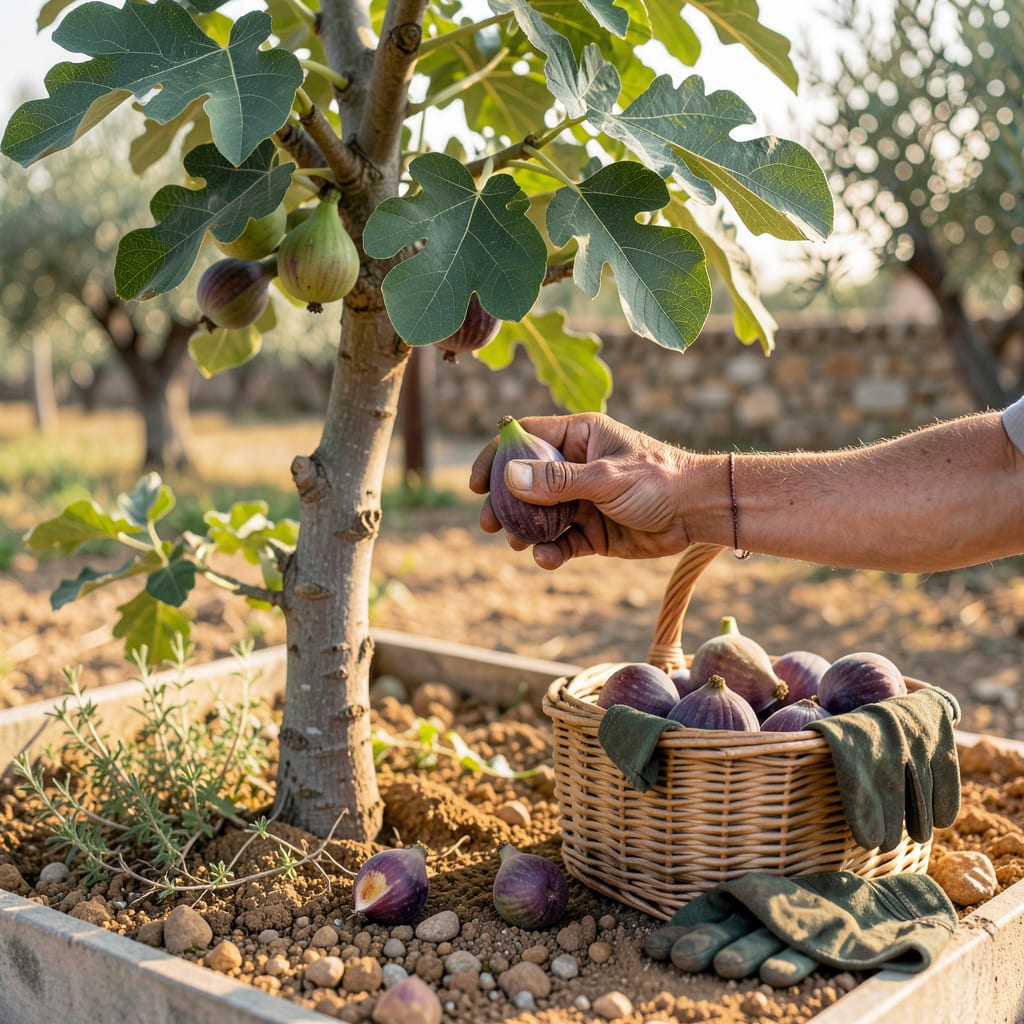
There’s nothing worse than sinking your teeth into a fig that’s either rock-hard or mushy beyond salvation. That perfect window between underripe and overripe is shorter than you think—and timing is everything.
After years of testing (and plenty of disappointments), I’ve narrowed it down to two foolproof signs: a subtle neck bend and telltale skin changes. Whether you’re growing Black Mission or Brown Turkey figs, these clues will save your harvest. Let’s break it down so you never guess wrong again.


Nothing beats the taste of a sun-ripened fig straight from your tree—but timing is everything. I’ve learned the hard way that picking too early leaves you with a chalky, flavorless bite, while waiting too long risks splits and spoilage. The key? Three visual clues I check every time.
First, ignore the calendar—your figs won’t ripen on a schedule. Instead, focus on the neck bend, skin color, and texture. These signs work for Brown Turkey, Black Mission, and even Celeste varieties. Let’s break down what to look for, with real-life examples from my garden.
| Sign | Underripe 🟢 | Perfect 🟣 | Overripe 💔 |
|---|---|---|---|
| Neck Position | Upright ⬆️ | Droops ⬇️ | Hangs heavily |
| Skin Color | Pale green | Deep purple/brown | Cracked or oozing |
| Texture | Hard as a marble 🪨 | Soft like avocado 👉💜 | Mushy or split |
| Stem Sap | Milky white | Clear or slightly sticky | Fermented smell |
*Tested on Brown Turkey and Black Mission figs in USDA Zone 7-9.
The neck bend is my #1 indicator. When a fig is ready, its stem bends downward like a weary traveler’s head, signaling the fruit’s weight has increased. I gently twist the fig—if it resists, it’s not ready. If it comes away with a light tug, it’s perfect. This works for 90% of varieties, including my Chicago Hardy tree.
Next, examine the skin color. A Brown Turkey shifts from green to a dusty brown, while Black Mission figs turn nearly black. Pro tip: Check the shoulder (where the stem meets the fruit)—it often darkens first. I use my phone’s flashlight to spot subtle changes in dappled sunlight.
Texture seals the deal. A ripe fig yields slightly to gentle pressure, like a ripe kiwi. Press the side with your thumb—if it leaves a faint dent, it’s ready. Avoid figs that feel rock-hard or squishy. I carry a small knife to test one fig per batch; if it’s sweet, the rest are likely ready too.
Watch for tiny cracks or nectar beads on the skin—nature’s way of saying, “Eat me now!” But don’t confuse these with rain splits, which appear suddenly after storms. I lost a whole crop once by waiting for cracks that never came (thanks, drought!). Now I pick at the first sign of drooping + color change.
Timing varies by variety. My Celeste figs ripen in 60-70 days from fruit set, while Black Missions take 90+ days. In hot climates (Zone 9+), figs ripen faster—check daily in summer! Cool-weather gardeners (Zone 6-7) should watch for slower color development and extend the harvest window by a week.
Here’s my foolproof routine: Morning inspections (before bees arrive), a gentle twist test, and a taste test from one sacrificial fig. If it’s sweet with honeyed depth, harvest the rest that day. Store picked figs in a single layer in the fridge—they’ll keep for 3-5 days if unwashed.
Remember, figs won’t ripen off the tree like tomatoes. Once picked, they’re done developing. I once tried “ripening” green figs in a paper bag—total failure. Stick to the neck bend + color + texture trifecta, and you’ll nail it every time. Happy harvesting! 🪴
Not all figs ripen on the same schedule—your Brown Turkey might be ready weeks before your Black Mission. I’ve found that tracking days from fruit set and watching for variety-specific color shifts takes the guesswork out of harvesting. For example, Celeste figs turn golden-brown, while Kadota stays green even when ripe.
Climate plays a huge role too. In hotter zones (8-10), figs often ripen 10-14 days faster than in cooler areas. I use a simple trick: mark the fruit set date on my calendar, then count forward based on the variety’s average days to maturity (usually 90-120 days). When you’re within that window, start checking daily for ripeness signs.
| Variety | Days to Ripen | Ripe Color | Season |
|---|---|---|---|
| Brown Turkey | 100-120 | Purple-brown | Mid-Late |
| Black Mission | 110-130 | Deep purple-black | Late |
| Celeste | 90-110 | Golden-brown | Early-Mid |
| Kadota | 100-120 | Light green | Mid |
| Chicago Hardy | 80-100 | Purple-brown | Early |
Note: Adjust timelines by -10 days in hot climates or +7 days in cooler zones.
For unusual varieties like Chicago Hardy, the rules bend a bit. These cold-hardy figs often ripen earlier (as little as 80 days) and can produce a second crop in mild falls. I’ve noticed their skin stays firmer at peak ripeness, so rely more on the neck bend test and slight softness than color alone.
If you’re growing figs in containers, expect a 7-14 day delay in ripening compared to in-ground trees. The restricted root space slows things down. I combat this by placing pots in the hottest microclimate of my garden (against a south-facing wall) and using black mulch to absorb extra heat.
Pro tip: Keep a harvest journal for 2-3 seasons. Note when each variety first ripens in your specific climate. Over time, you’ll spot patterns—like how my Black Mission figs always ripen 2 weeks after the first August rain, no matter what the calendar says. Nature’s cues often beat the books!
Remember, figs won’t ripen off the tree, so timing is everything. When in doubt, taste-test one! If it’s sweet and jammy, the rest are ready. If it’s tart or rubbery, give them 2-3 more days and check again. Patience pays off with figs—wait for that perfect honeyed burst of flavor. 🪴
I’ve seen even experienced gardeners lose their fig harvest to avoidable blunders. The biggest? Picking too early—figs won’t ripen off the tree like tomatoes, so that rock-hard fruit will stay tasteless. Another classic mistake? Ignoring weather impacts, especially rain, which can split ripe figs overnight.
Over-handling is another silent killer. Figs bruise easily, so gentle twisting (not yanking!) is key. And never stack them—store in a single layer to prevent squashing. Pro tip: If you see sap oozing from the stem, you’ve waited too long; birds and bugs will beat you to it.
⚠️ Harvest Saboteurs
Here’s a trick I swear by: the “sunrise test”. Harvest figs in the early morning when they’re plump from overnight hydration. Avoid midday—heat stresses the tree and makes fruit leathery. And if you’re tempted to wash them? Don’t. Dry brushing removes dirt without adding moisture that fuels mold.
For Brown Turkey or Black Mission varieties, watch for tiny skin cracks—that’s nature’s way of saying, “Pick me now!” But with Celeste figs, color trumps cracks: they’re ready when their yellow-green hue deepens to golden. Still unsure? Taste one! A honeyed drizzle at the stem end means the rest are ready.
Lastly, don’t let overripe figs linger. Once they droop past 45 degrees, they’re seconds from fermenting. I mark my calendar for every 2–3 days during peak season—figs ripen fast, and timing is everything. Trust me, your patience will pay off in bursting sweetness! 🪴
The neck bend is when the fig’s stem curves downward, making the fruit hang like a teardrop. A ripe fig will droop at a 30-45 degree angle from the branch. If it’s still pointing upward or straight out, it needs more time.
Check them immediately! Rain causes ripe figs to split open within hours. Harvest any that are fully colored and soft before the storm if possible. If they’ve already split, they’re still edible but won’t store well.
Varieties like Kadota and Celeste remain green or yellow when ready. Don’t rely on color alone—check for softness and the neck bend instead. A gentle squeeze should feel like a ripe avocado.
During peak season, inspect your tree every 2-3 days. Figs ripen quickly, especially in hot weather. I set phone reminders to avoid missing the perfect window. Morning checks are best—they’re plumpest after overnight hydration.
Never refrigerate unwashed figs! Store in a single layer on a tray lined with paper towels. They’ll keep at room temperature for 2-3 days. For longer storage, freeze whole figs on a tray before bagging.
