
Beautiful Plants For Your Interior
Beautiful Plants For Your Interior
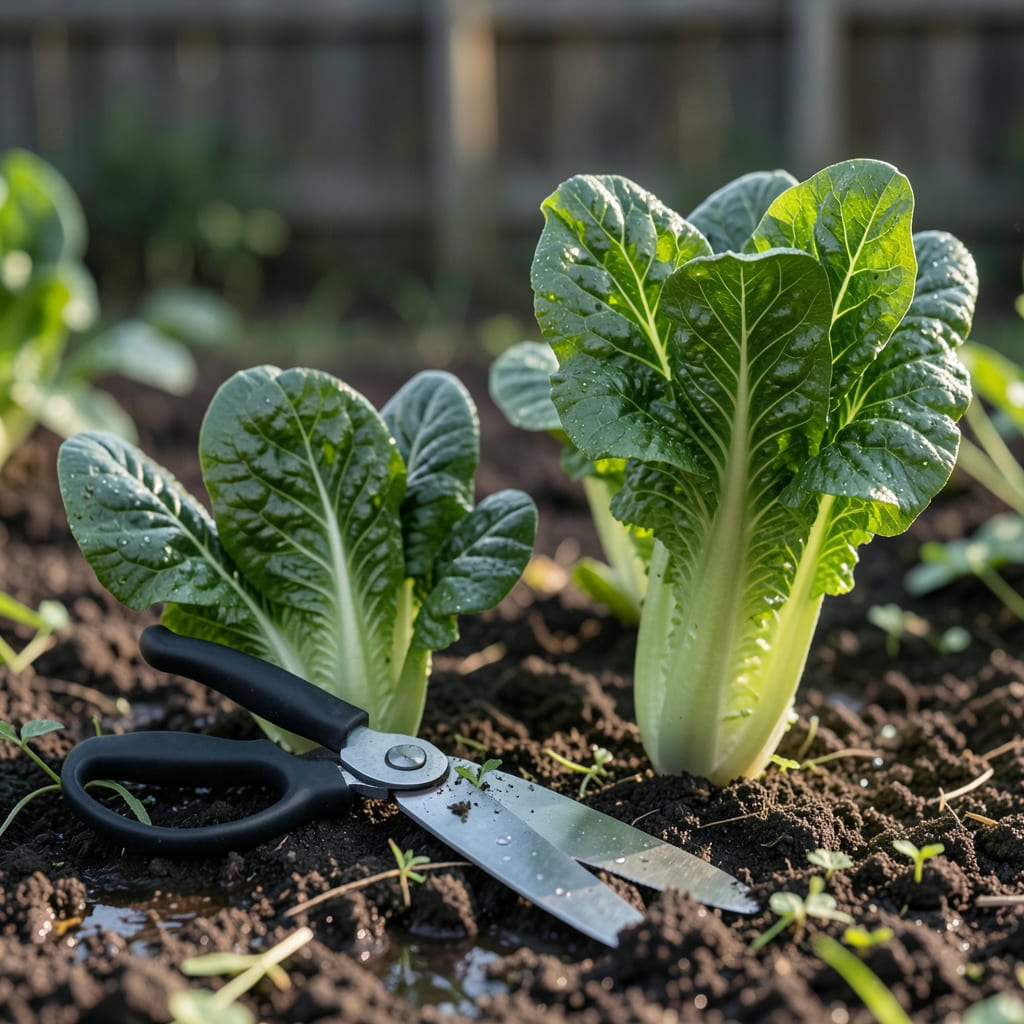
Nothing beats the satisfaction of picking fresh 🥬 Romaine Lettuce from your own garden. But how do you know it’s truly ready for the table?
I’ll show you the key signs to look for—from leaf size to stem firmness—that guarantee your harvest is at peak flavor and texture. Let’s get started.


Timing your romaine lettuce harvest perfectly ensures the best flavor and texture. I always check for firm heads and vibrant leaves as the first signs of readiness. A mature plant will reward you with crisp, sweet leaves every time.
Look for an elongated head that feels solid when gently squeezed. The outer leaves should be dark green and crisp, while inner leaves appear tightly packed and light green. These are the classic indicators your romaine is ready.
| Maturity Sign | Description |
| Head Formation | Tight, elongated shape |
| Leaf Color | Dark green outer, light green inner |
| Stem Firmness | Thick and sturdy when pressed |
| Leaf Texture | Crisp and firm to touch |
| Size | 8-10 inches tall |
I’ve found that size matters too. Your romaine should reach about 8-10 inches tall before harvesting. Anything smaller may not have developed its full flavor profile yet. Patience here pays off with sweeter, more developed leaves.
The stem thickness is another giveaway. A mature romaine will have a thick central stem that feels substantial when you press it. If it bends easily or feels hollow, give it more time in the garden.
Color is a great indicator of readiness. The outer leaves should be a deep, rich green, while the inner leaves will be a lighter shade. Any yellowing or browning suggests it’s either overripe or has been stressed.
I always do the “squeeze test” on the head. A ready romaine will feel dense and firm, not loose or spongy. If it springs back when pressed, it’s not quite there yet. This simple test prevents harvesting too early.
For cut-and-come-again varieties, you can start harvesting outer leaves when they’re 4-6 inches long. The plant will continue growing new leaves from the center. This method extends your harvest window significantly.
Remember that morning harvesting gives the crispest leaves, as the plant is fully hydrated from overnight dew. I’ve noticed a real difference in texture when I pick in the cool morning hours versus later in the day.
If you see a flower stalk beginning to form, harvest immediately. Once romaine bolts, the leaves turn bitter and the texture becomes tough. Catching it before this stage ensures the best quality for your table.
With these visual and tactile cues, you’ll never question when your romaine is ready again. Happy harvesting!
I always use the cut-and-come-again method for my romaine to get multiple harvests. Simply snip the outer leaves about 1-2 inches from the base, leaving the central growing point intact. This encourages new growth for future picks.
For a full-head harvest, wait until the entire plant reaches 8-10 inches tall with a firm, elongated head. Use clean garden shears to cut the base, leaving about an inch of stem in the soil.
The morning harvest trick works because plants are most hydrated after overnight dew. I’ve noticed my romaine stays crisp for days when picked before 10 AM compared to afternoon harvests.
If you want regrowth, never remove more than one-third of the plant at once. This keeps the romaine healthy and productive. With this method, I often get 3-4 harvests from a single plant.
For full-head harvests, timing is everything. Wait until the head feels dense when squeezed, but harvest before any flower stalks appear. Once bolting begins, the leaves turn bitter and tough.
I always keep my garden shears clean and sharp. Dull tools can crush stems, inviting disease. A quick wipe with rubbing alcohol between plants prevents cross-contamination in my garden. ✂️
Even experienced gardeners can make harvesting mistakes with romaine. I’ve learned that picking too early results in small, bitter leaves, while waiting too long leads to tough, woody stems. Timing is everything with this crop.
One of the biggest errors is using dull tools that crush stems instead of making clean cuts. This can introduce disease and shorten your plant’s productive life significantly.
⚠️ Avoid These Harvesting Pitfalls
Harvesting during midday heat causes wilted leaves that don’t recover well.
Removing too many leaves at once stunts regrowth and weakens the plant.
Ignoring bolting signs (flower stalks) leads to bitter, inedible leaves.
I’ve also seen gardeners harvest wet plants, which can spread disease. Always wait until foliage is dry, or gently pat leaves with a clean towel before picking.
Another common issue is improper storage after harvest. Romaine needs cool, humid conditions to stay fresh. I keep mine in the fridge with a damp paper towel to maintain crispness.
Finally, don’t overlook the soil temperature. Harvesting when soil is too warm can stress the plant. I aim for early morning picks when both air and soil are cool. ✂️
Harvest when plants reach 8-10 inches tall with a firm, elongated head. Smaller plants may lack full flavor, while overgrown ones can turn bitter.
Yes! Use the cut-and-come-again method: snip outer leaves 1-2 inches from the base, leaving the center to regrow. This extends your harvest window.
Bitterness often means the plant has started bolting (forming flower stalks). Harvest immediately if you see this happening, as leaves quickly turn tough and bitter.
Pick in the early morning when leaves are most hydrated. Plants harvested before 10 AM stay crisp longer in storage.
