
Beautiful Plants For Your Interior
Beautiful Plants For Your Interior
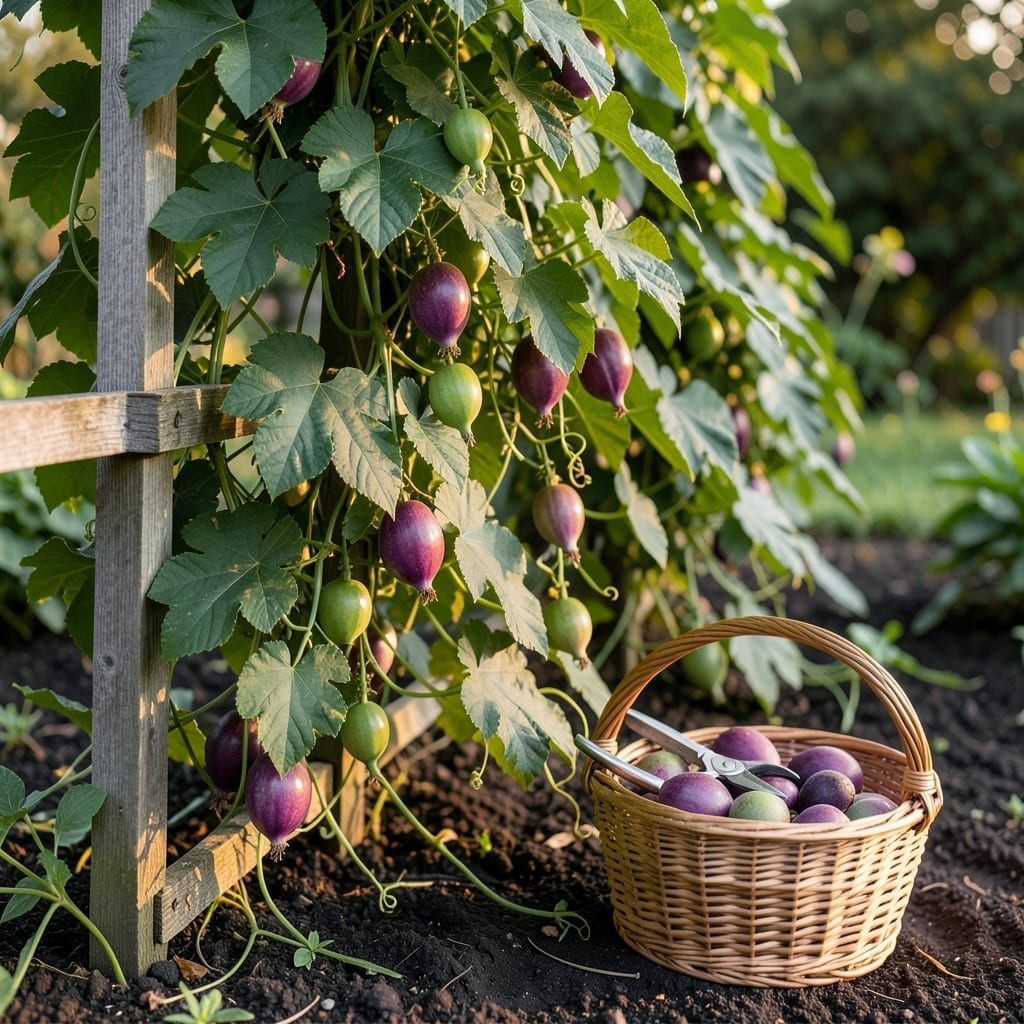
There’s nothing worse than cutting into a passion fruit 🧡 and finding it underripe. That first bite should be bursting with sweetness, not sour disappointment.
I’ve learned the hard way that color and texture tell you everything. A simple squeeze or observing the skin’s hue can reveal if it’s ready.
Discover the easy signs that guarantee you’ll pick your passion fruit at its peak every time. No more guessing games.

The most reliable indicator of ripeness in passion fruit is its skin color change. Depending on the variety, the fruit transitions from a bright green to either a deep purple, golden yellow, or rich red when fully ripe. ☀️
I always recommend checking the underside of the fruit first, as it often changes color before the top. For Purple Passion Fruit, look for a dark, almost black hue, while Yellow Passion Fruit varieties will turn a vibrant golden shade. 🌱
| Variety | Unripe Color | Ripe Color |
|---|---|---|
| Purple Passion Fruit | Bright Green | Deep Purple/Black |
| Yellow Passion Fruit | Light Green | Golden Yellow |
| Red Passion Fruit | Pale Green | Rich Red |
In my experience, regional climate can affect the color intensity. In cooler climates, passion fruits may develop a slightly duller ripe color, while in tropical areas, the hues are often more vibrant. Always compare the fruit to others on the same vine. 🌿
Another visual cue is the skin texture. As passion fruit ripens, the skin may develop slight wrinkles, especially in overripe fruits. However, don’t wait for heavy wrinkling, as this can indicate the fruit is past its prime. A smooth skin with just a hint of puckering is ideal.
For first-time growers, I suggest keeping a color chart of your specific variety. Take photos of the fruit at different stages to track its progression. This helps train your eye to recognize the perfect ripe color for your particular plants. ✂️
The stem area also provides clues. A ripe passion fruit will have a dried, brown stem, while an unripe one retains a green, fresh-looking stem. This is a subtle but reliable indicator, especially when combined with color changes.
If you’re growing multiple varieties, note that hybrid passion fruits may display unique color patterns. Some develop mottled skin with patches of ripe and unripe color. In these cases, prioritize the dominant color and the feel of the fruit.
Remember that size alone isn’t a ripeness indicator. A passion fruit can reach its full size while still unripe. Always combine color observation with other tests like gentle squeezing for the best results.
Finally, observe the fruit’s position on the vine. Ripe passion fruits often detach easily with a light tug, while unripe ones remain firmly attached. This is nature’s way of telling you it’s ready to be picked and enjoyed. 🌳
While color changes are the first clue, the texture and feel of passion fruit confirm its ripeness. I find that a gentle squeeze reveals more than any other test. A ripe fruit yields slightly under pressure, similar to a soft avocado. ☀️
A ripe passion fruit will also feel heavier for its size because the pulp inside has developed fully. Compare fruits on the same vine to notice the difference. The skin should be taut but not rock-hard, with a slight give when pressed. 🌱
For Purple Passion Fruit, the skin may develop fine wrinkles as it ripens, while Yellow varieties often stay smoother. Overripe fruits become overly wrinkled and may split open, so timing is key. 🌿
I always test by rolling the fruit in my palm—if it feels uniformly firm with a slight softness, it’s perfect. Avoid fruits that feel mushy or too hard, as these are either overripe or underripe.
Another trick is to shake the fruit gently. Ripe passion fruits have loose seeds inside, creating a subtle rattling sound. This is especially useful for larger fruits where color changes are less obvious.
Remember, harvest in the morning when fruits are cool and firm. This preserves their texture and flavor. Passion fruits continue to ripen off the vine, so if you’re unsure, pick it and let it sit at room temperature for a day or two. ✂️