
Beautiful Plants For Your Interior
Beautiful Plants For Your Interior
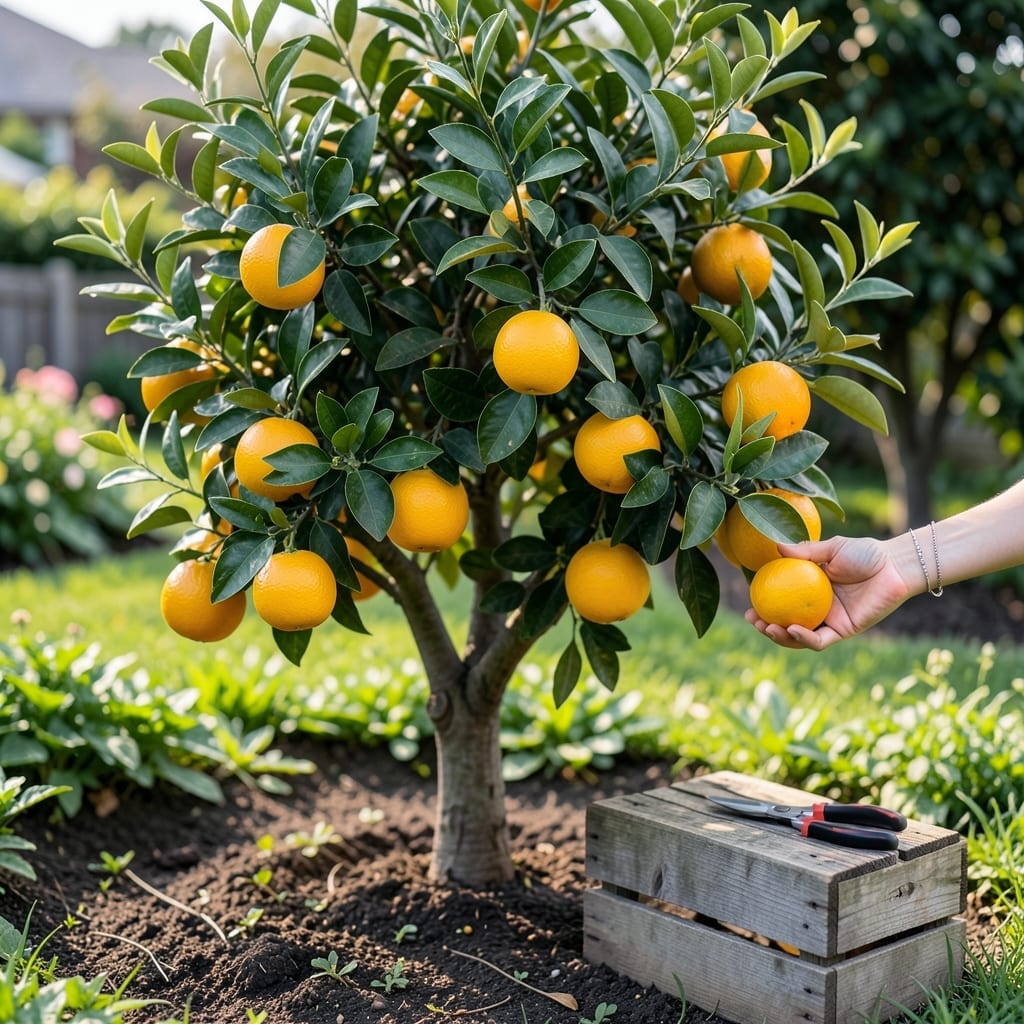
Picking the 🍊 Orange at just the right moment makes all the difference between a tangy letdown and a burst of sweet sunshine. Unlike some fruits, oranges won’t ripen further once picked, so timing is everything.
I’ve learned that color alone isn’t always the giveaway—textures and scents play a huge role too. Knowing these subtle signs helps you avoid the common mistakes that leave many with underwhelming fruit.
Discover the simple clues that reveal when your oranges are at their juicy, flavorful peak. Let’s make every harvest worth the wait.


When I’m checking if my oranges are ripe, the first thing I look for is color change. A fully ripe orange typically shifts from green to vibrant orange, though some varieties may retain green patches even when ready.
But color isn’t the only clue—texture and weight matter just as much. A ripe orange feels heavy for its size and has a slightly soft give when gently pressed. If it’s rock-hard, it’s not ready yet.
| Sign | Description |
|---|---|
| Color | Full orange hue, no green |
| Texture | Slightly soft to touch |
| Weight | Feels heavy for size |
| Scent | Sweet citrus aroma |
| Stem | Easily separates from branch |
I always recommend the scent test—a ripe orange emits a sweet citrus fragrance that’s hard to miss. If it smells fresh and vibrant, it’s likely ready to pick. No aroma often means it needs more time.
Another trick I use is the stem check. If the fruit detaches easily from the branch with a gentle twist, it’s a good sign. Forced pulling usually means it’s not ripe yet and could damage the tree.
For navel oranges, I look for a slightly rough texture on the peel, which often indicates sweetness. Valencia oranges, on the other hand, may stay greener longer but are ripe when their juice content is high.
Blood oranges can be trickier—their deep reddish blush inside isn’t always visible from the outside. I rely on weight and scent for these, as the color inside develops independently of the peel.
If I’m ever unsure, I’ll pick one or two test fruits and taste them. This is the most reliable way to confirm ripeness, especially for homegrown oranges where climate and care can affect timing.
Remember, oranges don’t ripen after picking, so it’s crucial to get it right the first time. A little patience and attention to these details go a long way in ensuring a sweet, juicy harvest every time. ☀️
I’ve seen many gardeners assume that green patches on an orange mean it’s not ripe, but that’s not always true. Some varieties, like Valencia oranges, can have green tinges even when fully mature.
Another frequent error is squeezing too hard to test firmness. Over-handling can bruise the fruit or even damage the tree’s branches, which is something I always caution against.
⚠️ Warning: Don’t rely solely on color—green patches don’t always mean unripe. Also, avoid squeezing too hard, as this can damage the fruit or tree. Always use a gentle touch and combine multiple tests for accuracy.
I also notice people ignoring the stem connection. Pulling fruit forcefully can harm both the orange and the tree. Instead, a ripe orange should detach easily with a light twist.
Skipping the scent test is another oversight. A mature orange will have a distinct sweet aroma, while an unripe one may smell faint or sour. Trust your nose—it’s often more reliable than your eyes.
Some growers pick all fruit at once, assuming uniformity. But oranges on the same tree can ripen at different rates, especially in varying sunlight. I always recommend testing a few from different branches.
Lastly, don’t forget that climate affects ripeness. In cooler areas, oranges may take longer to mature. I adjust my expectations based on local conditions and seasonal changes. 🌿