
Beautiful Plants For Your Interior
Beautiful Plants For Your Interior
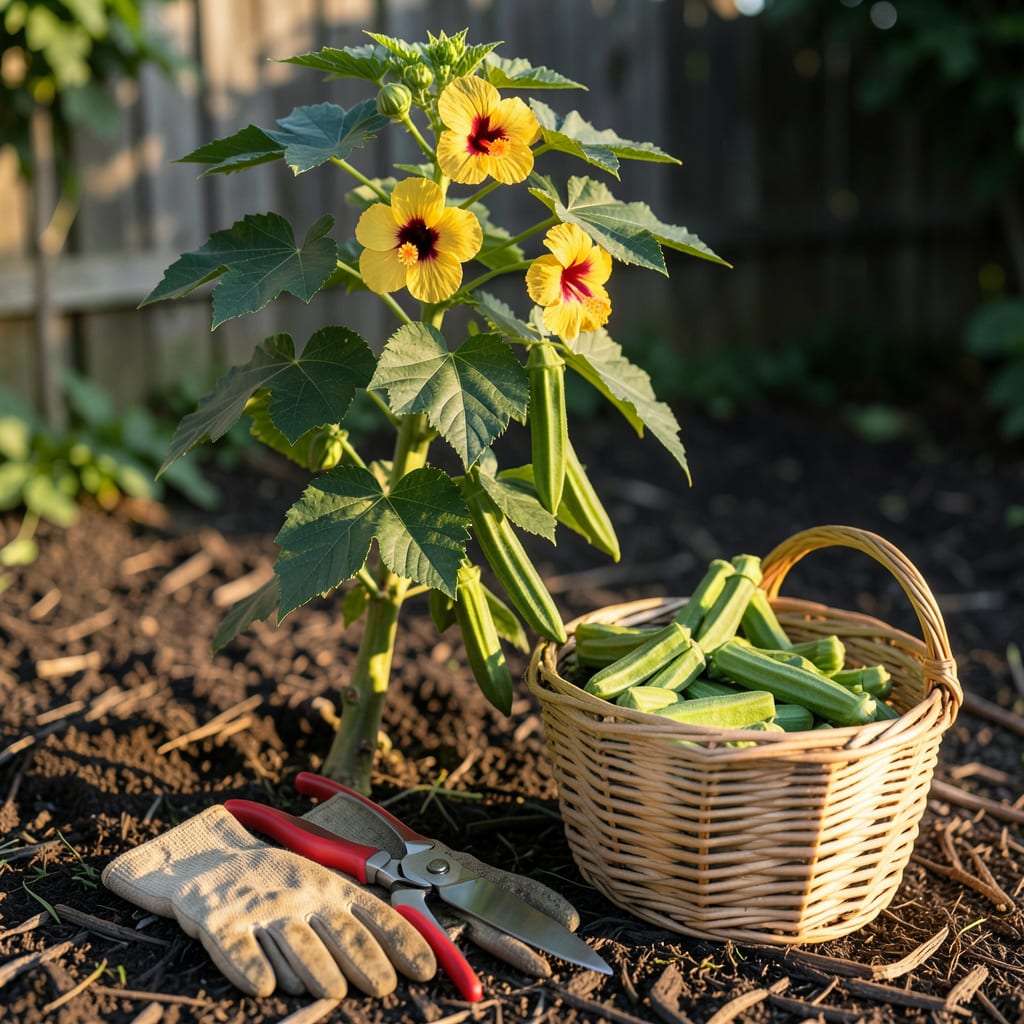
There’s nothing worse than biting into okra that’s turned tough and stringy—yet that’s exactly what happens when you miss the perfect 4-day harvest window. Timing is everything with this fast-growing veggie, and those tender, flavorful pods can turn fibrous almost overnight.
I’ll show you how to spot the subtle signs—like pod length and texture—that signal your 🌿 okra is ready. No guesswork, no wasted harvests—just crisp, delicious results every time. Let’s get started.


If you’ve ever bitten into a rubbery, fibrous okra pod, you know timing is everything. I learned the hard way that okra grows astonishingly fast—sometimes adding an inch overnight in warm weather. The 4-day rule changed my harvest game completely. Here’s why it works so well.
Okra pods typically reach harvest readiness in just 3-4 days after flowering. In hot climates, they can grow from flower to harvest-ready in as little as 48 hours. This rapid growth means you need to check plants daily during peak season. Miss that window, and you’ll be dealing with woody pods.
| Stage | Timeframe | Action |
|---|---|---|
| Flowering | Day 0 | Watch for blooms |
| Pod Formation | Days 1-2 | Check daily growth |
| Optimal Harvest | Days 3-4 | Pick at 3-4 inches |
| Overripe | Day 5+ | Remove to encourage new growth |
💡 Pro Tip: In temperatures above 90°F, check plants twice daily—okra can become overripe in 24 hours!
The ideal pod length for most varieties is 3-4 inches. At this size, okra is tender enough to snap cleanly when bent. I use my thumb and forefinger to test—if it bends slightly but doesn’t break, it’s perfect. Any longer than 4 inches, and the fibers start developing.
Here’s what happens during that critical 4-day window: On Day 1-2, pods grow rapidly but remain too small. By Day 3, they reach the sweet spot of tenderness. Day 4 is your last chance for peak quality. After that, pods become woody and inedible within hours.
I’ve found that morning harvesting yields the crispest pods. The plants are fully hydrated after cool nights, making pods easier to snap cleanly. Always use clean pruners or scissors to avoid damaging the plant stem. A sharp blade prevents crushing the main stalk, which can reduce future production.
Remember that okra varieties differ in growth rates. Dwarf varieties like ‘Little Lucy’ may mature faster than tall types like ‘Emerald’. When in doubt, harvest a test pod and slice it open—the seeds should be small and soft, not large and hard.
During peak summer months, I set phone reminders to check plants every 36 hours. This frequency ensures I never miss the harvest window. The more you pick, the more pods your plants will produce—okra responds well to regular harvesting by pushing out new flowers.
If you notice flower production slowing, it’s often a sign you’ve missed some harvests. Plants put energy into seed production when pods remain too long. Remove any overripe pods immediately to signal the plant to keep producing. This simple trick can extend your harvest season by weeks.
For the most productive okra plants, combine the 4-day rule with these practices: consistent watering (1-2 inches weekly), full sun exposure (6+ hours daily), and light fertilization every 4-6 weeks. Healthy plants produce more flowers, which means more opportunities for perfectly timed harvests.
Once you master this timing, you’ll enjoy tender okra all season. The difference between a 3-inch pod and a 5-inch pod is like comparing butter to shoe leather. Trust me, your taste buds will thank you for paying attention to those critical four days! 🌿
When I’m checking my okra plants, I always look for three key visual cues: pod length, color vibrancy, and texture firmness. A perfectly ripe pod will be 3–4 inches long, with a bright green hue that almost glows in the sunlight.
Don’t rely on size alone—give the pod a gentle squeeze. It should feel firm but not rock-hard, and the tip should snap cleanly when bent. If it bends like rubber or feels spongy, it’s either too young or overripe. I check my plants every 2–3 days in peak season because okra grows fast!
⚠️ Pro Tip: Harvest in the early morning for the crispiest pods—heat makes them wilt faster!
One mistake I see beginners make is waiting for pods to “fill out” like beans. Okra gets woody within days—if the ridges feel sharp or the skin looks leathery, you’ve waited too long. I once left a batch for 5 days in hot weather, and they turned into inedible “okra sticks” overnight!
Seasonal shifts matter too. In cool early spring, pods may grow slower and stay tender longer. But by midsummer, I’ve had okra jump from 2 inches to 5 inches in just 48 hours! That’s why I mark my calendar to check plants every other day once they start producing.
If you’re unsure, do the “thumbnail test”: Press your nail into the pod. A shallow dent means it’s perfect; no dent = too early; deep dent = overripe. And always use clean pruners or scissors to avoid damaging the plant’s stem, which can reduce future yields.
After harvesting, I lay pods in a single layer in the fridge (unwashed!) to keep them crisp for 3–4 days. For longer storage, blanch and freeze them—they’ll hold their texture for months. Now that you know the signs, you’ll never end up with tough okra again! 🌱
Timing your okra harvest is everything—pick too soon, and you’ll miss out on full flavor and tender texture. Wait too long, and those pods turn into woody, inedible sticks. I’ve seen gardeners lose half their crop just by misjudging this window.
When you harvest premature okra (under 2 inches), the pods lack sweetness and substance. They’re edible but underwhelming. On the flip side, overripe okra (over 5 inches) becomes fibrous and bitter—even the slimy texture disappears.
If you accidentally let pods overripe, don’t toss them! Dry the seeds for next year’s planting or use the fibrous pods as compost material. For underripe okra, try quick-pickling to soften the texture.
The real damage of poor timing? Your okra plant’s productivity plummets. Overripe pods left on the plant signal it to stop producing new flowers. I once saved a struggling plant by removing all oversized pods—within a week, fresh blooms appeared!
To reset after mistakes, prune old pods and give the plant a balanced fertilizer boost (like 10-10-10). Within 7–10 days, you’ll see new growth. Remember: Okra’s golden window is 3–4 inches—stick to it!
Check your plants every 2-3 days in warm weather. Okra grows incredibly fast—sometimes 1 inch per day in hot climates. I set phone reminders to avoid missing the 3-4 inch sweet spot.
Technically yes, but they’ll be tough and fibrous. Overripe pods lose their tender texture and develop woody strings. If you miss the window, try slicing them thinly for stir-fries or drying the seeds for next season.
Early morning is ideal. The pods are crispest after cool nights, and plants are fully hydrated. Avoid midday heat—okra wilts quickly. I carry a basket and pruners to harvest before 9 AM for best results.
This usually happens when overripe pods remain on the plant. The seeds signal the plant to stop flowering. Remove all mature pods—even tough ones—to trigger new growth. A balanced fertilizer (like 10-10-10) can also help.
Place unwashed pods in a single layer in the fridge for 3-4 days. For longer storage, blanch for 3 minutes, then freeze. Avoid washing before storage—moisture speeds up spoilage.
