
Beautiful Plants For Your Interior
Beautiful Plants For Your Interior
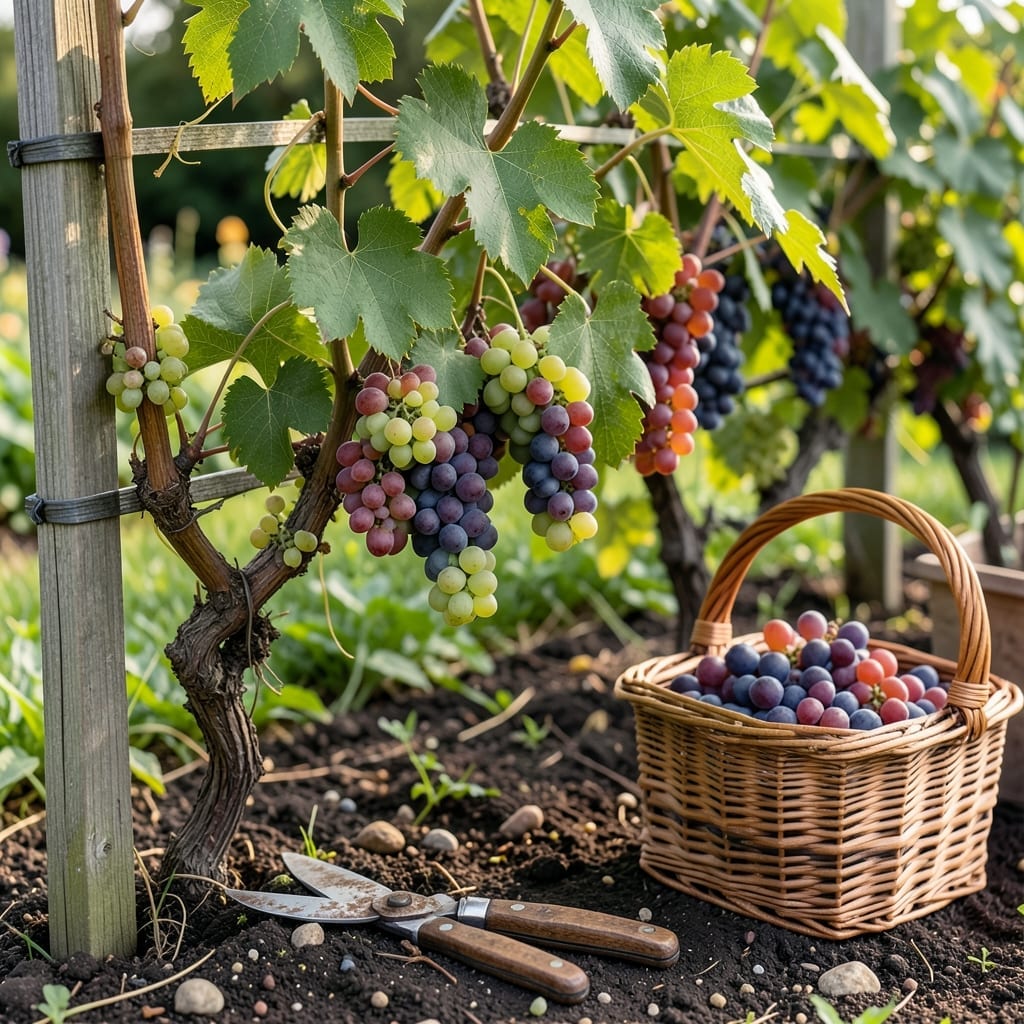
Picking grapes 🍇 at the perfect moment ensures the sweetest flavor and best texture, but knowing exactly when they’re ready can be tricky.
Whether you’re growing table, wine, or juicing varieties, timing is everything. The difference between a tart bite and a juicy burst of sweetness often comes down to just a few days.
I’ll walk you through the key visual, tactile, and taste cues that signal your grapes are ripe and ready to enjoy. Let’s get started.


Identifying ripe grapes starts with observing their color transformation. For dark varieties like Concord or Cabernet, look for a deep purple-black hue that appears rich and uniform across the cluster.
Green grapes, such as Thompson Seedless, will shift from a pale yellow-green to a more vibrant, translucent green when ready. This color change is your first visual clue that the sugar content is rising.
| Sign | Ripe Indicator | Unripe Indicator |
|---|---|---|
| Color | Deep, consistent hue | Pale or greenish |
| Texture | Plump, slight give | Hard, firm |
| Stem | Brown, woody | Green, flexible |
| Aroma | Sweet, fruity | Neutral or grassy |
The texture of ripe grapes is another telltale sign. Gently squeeze a few grapes from different parts of the cluster. They should feel plump and slightly soft, with a bit of give when pressed.
If they’re hard as marbles, they’re not ready yet. This firmness indicates that the grapes haven’t developed their full sugar content and may still be tart or sour.
Check the stems and cluster too. Ripe grapes often have stems that turn brown and woody, while unripe clusters retain green, flexible stems. The cluster itself should look full and tightly packed.
A subtle but important cue is the aroma. Ripe grapes emit a sweet, fruity scent near the cluster. If you don’t smell anything or detect a grassy odor, they likely need more time on the vine.
For seedless varieties, the skin may also appear slightly wrinkled or translucent when fully ripe. This is a sign that the sugars have developed, and the grape is at its peak flavor.
Remember that weather conditions can affect ripening. A stretch of warm, sunny days speeds up the process, while cooler, cloudy weather may delay it. Always taste-test a few grapes from different clusters to confirm.
Finally, keep in mind that grape varieties ripen at different times. Early varieties may be ready in late summer, while others need until early fall to reach their peak. Know your variety’s typical harvest window.
The most reliable way to check grape ripeness is through taste testing. Sample a few grapes from different clusters, as they may ripen at slightly different rates. A ripe grape should taste sweet and full-bodied.
If the flavor is still tart or sour, the grapes need more time. For wine grapes, you can use a refractometer to measure Brix levels (sugar content). Most table grapes are ready at 18-22 Brix, while wine grapes often need 22-26 Brix.
The aroma test is another simple method. Hold a cluster near your nose and inhale deeply. Ripe grapes will have a strong, sweet fragrance, while unripe ones may smell grassy or have no scent at all.
For the most accurate results, I recommend testing in the morning when grape sugars are most concentrated. Avoid tasting after rain, as excess water can dilute the flavor and give a false reading of tartness.
Different grape varieties have distinct flavor profiles when ripe. Concord grapes develop a bold, grapey taste, while Thompson Seedless become crisp and honey-sweet. Know your variety’s ideal flavor profile.
Lastly, trust your senses. The combination of sweet taste, rich aroma, and proper texture confirms ripeness better than any single test. When in doubt, wait another day and taste again 🌿