
Beautiful Plants For Your Interior
Beautiful Plants For Your Interior
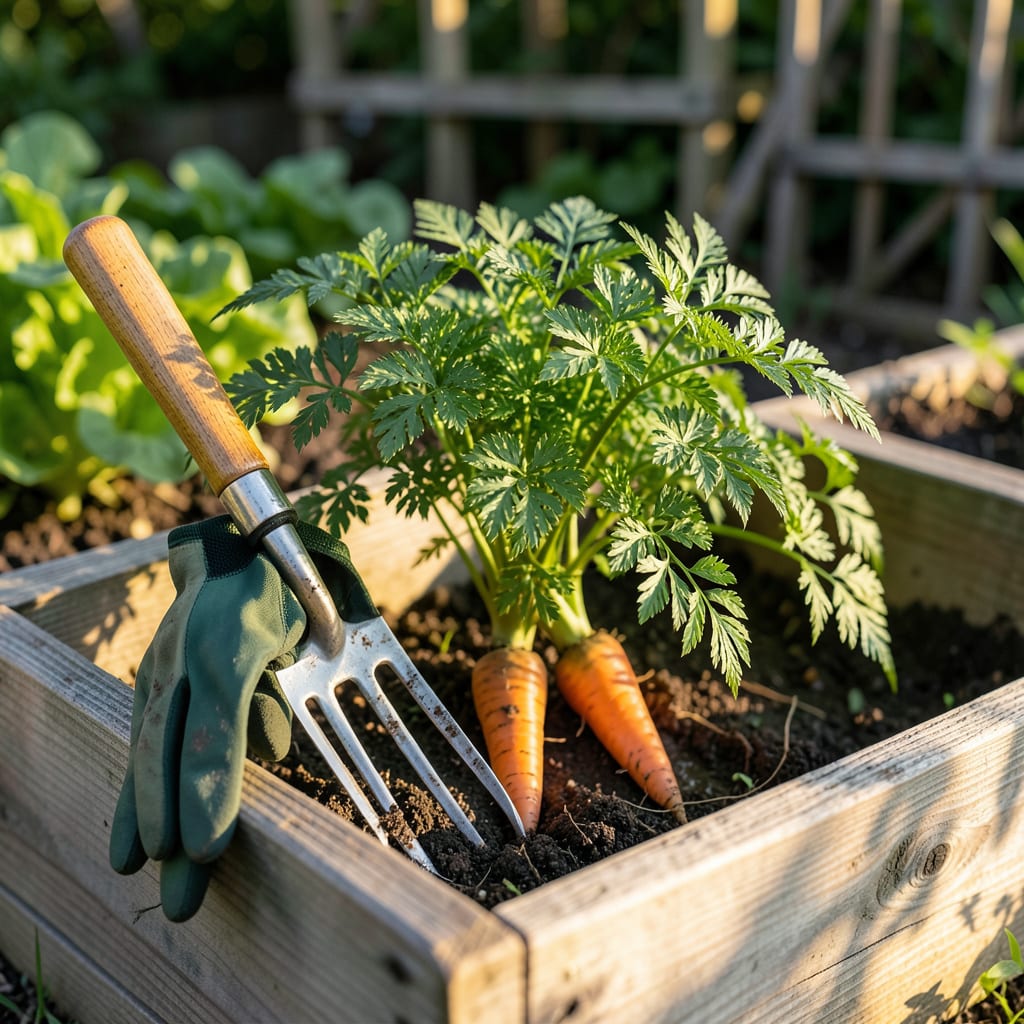
There’s nothing quite like the satisfaction of pulling a perfectly ripe carrot from your garden—crisp, sweet, and bursting with flavor. But timing is everything. Pull too soon, and you’ll get thin, underdeveloped roots; wait too long, and they turn woody or bitter.
I’ve learned the hard way that judging readiness isn’t just about days on the calendar. The real secrets lie in what you see and feel—from shoulder width to foliage clues. Let me show you how to nail the harvest every time, so your 🥕 carrots are always at their peak.


Knowing when to harvest carrots isn’t about guessing—it’s about reading the clues your plants give you. While seed packets list days to maturity (usually 60-80 days), I’ve found that visual cues are far more reliable. The key is focusing on what’s happening both above and below the soil line.
Start by examining the foliage and root shoulders. Healthy, mature carrots will have lush green tops and visible root crowns peeking through the soil. But don’t just yank them out—first, check for these five foolproof signs of readiness.
Shoulder width hits ¾ to 1 inch—this is the golden measurement for most varieties. Gently brush soil away to check without uprooting.
Foliage height reaches 8-12 inches, with deep green, sturdy stems. Wilted or yellowing tops signal over-maturity or stress.
Root crown visibility: The top ½ inch of the carrot should peek above soil. If it’s still hidden, give it more time.
Vibrant color—no green shoulders (a sign of sun exposure). Orange varieties should be bright and uniform; purple or red types deep in hue.
Firm texture when gently squeezed (if partially exposed). Soft or spongy roots mean over-maturity or rot.
One mistake I see often? Gardeners assume taller tops = ready carrots. Not true! Some varieties (like ‘Danvers’) have shorter foliage but thick roots, while ‘Nantes’ types grow taller greens faster. Always combine multiple signs for accuracy.
For fall-planted carrots, add 10-14 extra days to the maturity estimate—cooler temps slow growth but boost sweetness. If frost threatens, harvest immediately, even if roots are slightly smaller. A light frost can enhance flavor, but hard freezes turn them mushy.
Pro tip: Use a soft-bristle brush to clear soil from the shoulders without damaging roots. If the carrot’s diameter is pencil-thin, it needs more time. But if it’s thicker than a golf ball, you’ve waited too long—expect a woody texture.
Remember, baby carrots (harvested at ½-inch diameter) are tender and sweet, while mature roots store better. Decide your goal before pulling! I like to stagger harvests: pick a few young for fresh eating, then let others size up for storage.
If you’re growing rainbow or heirloom varieties, color changes are critical. Purple carrots deepen in hue, while white types develop a creamy ivory tone. ‘Atomic Red’ carrots turn fiery orange-red when ripe—paleness means they’re not ready.
Finally, trust your instincts. If the foliage looks healthy and the shoulders feel firm, it’s time. Grab the greens near the base, wiggle gently, and pull straight up. Resist the urge to yank—broken roots spoil faster.
Now that you know what to look for, you’ll never second-guess your harvest again. Up next, I’ll show you how to test sweetness without pulling—because sometimes, the best carrots are the ones you leave in the ground a little longer.
I’ll let you in on a secret: you don’t need to yank a carrot from the soil to test its readiness. My favorite trick is the gentle tug test. Grasp the foliage near the base and give it a light pull. If the top resists slightly but doesn’t snap, your carrots are likely at peak sweetness and crispness.
Another foolproof method is the soil brushing technique. Use your fingers to carefully sweep away the soil around the carrot’s shoulder (the top of the root where it meets the stem). You’re looking for a diameter of ¾ to 1 inch—that’s the sweet spot for most varieties.
💡 Pro Tip: The Fingernail Test
Once the shoulder is exposed, press your fingernail into the root. If it leaves a slight indentation (like testing a ripe avocado), your carrot is perfectly tender. If it feels hard as a rock, it needs more time. Fall-grown carrots can handle an extra week for maximum sweetness!
Seasonal timing matters too. Spring-planted carrots often mature faster due to warming soil, while fall crops benefit from cooler temps that convert starches to sugars. I always add 5-7 extra days to the seed packet’s estimate for fall harvests—they’re worth the wait!
Watch for over-maturity signs: cracks, woody texture, or a dull color. These mean your carrots have passed their prime. If you spot these, harvest immediately—even if they’re not at the “ideal” size. Trust me, a slightly smaller carrot beats a bitter, tough one every time.
For Nantes varieties (my go-to for container gardens), start testing at 50 days. Larger types like Danvers need closer to 75 days. When in doubt, harvest a single “test carrot” to gauge the batch. Your taste buds will thank you!
Remember, carrots left too long can develop a woody core or split from excess moisture. I make it a habit to check my patch every 3-4 days once they’re near maturity. That way, I never miss the perfect window for that crisp, sweet crunch.
Not all carrots follow the same timeline—variety matters when it comes to harvest readiness. While Nantes carrots might be ready in as few as 50 days, heartier types like Danvers can take up to 75 days. Knowing your variety’s window prevents guesswork.
I’ve found that early-season varieties (like ‘Paris Market’) mature faster but are smaller, while late-season types (such as ‘Imperator’) need more patience. Below is a quick guide to help you time it right—because nobody wants a woody carrot in their harvest basket.
| Variety | Days to Maturity | Best Harvest Window | Ideal Size |
|---|---|---|---|
| Nantes | 50–60 days | Early to mid-spring | ½–¾ inch diameter |
| Danvers | 70–75 days | Mid to late season | 1–1½ inches diameter |
| Imperator | 65–75 days | Late spring/fall | ¾–1 inch diameter |
| Paris Market | 55–65 days | Early season | ½ inch (round shape) |
Tip: Fall-planted carrots often taste sweeter due to cooler temps—extend their harvest window by 5–10 days for extra sweetness!
If you’re growing heirloom varieties, check the seed packet for exact timelines. I once assumed all carrots followed the same schedule and ended up with overgrown Danvers that were tough as twigs. Lesson learned: track planting dates and adjust for your climate.
After harvesting, trim the greens immediately to prevent moisture loss—this keeps roots crisp for 2–3 weeks in the fridge. For long-term storage, layer unwashed carrots in damp sand in a cool, dark place. They’ll stay fresh for months!
Remember, smaller isn’t always better. Baby carrots are tender, but full-sized roots pack more flavor. When in doubt, do the “gentle tug test”: if the top resists slightly, it’s likely ready. Happy harvesting! 🥕
Most varieties are perfect when their shoulders reach ¾ to 1 inch wide. Use a soft brush to expose the top without uprooting. Smaller diameters (like ½ inch) work for baby carrots, but full-size roots have richer flavor.
A light frost actually boosts sweetness by converting starches to sugar. Harvest immediately if a hard freeze is forecast—carrots left in frozen soil turn mushy. Fall crops often taste better with a few extra days in cool weather.
This usually happens from uneven watering or leaving them too long in the ground. Over-mature carrots absorb excess moisture and split. Harvest promptly once they reach size, and maintain consistent soil moisture to prevent this.
Watch for woody texture, dull color, or cracks. Overripe carrots lose sweetness and become bitter. If the foliage turns yellow or wilts, check roots immediately—these are classic signs of over-maturity.
Stagger your harvest! Pull a few young carrots for fresh eating, then let others grow for storage. This extends your supply and ensures you don’t miss the peak sweetness window for any single carrot.
