
Beautiful Plants For Your Interior
Beautiful Plants For Your Interior
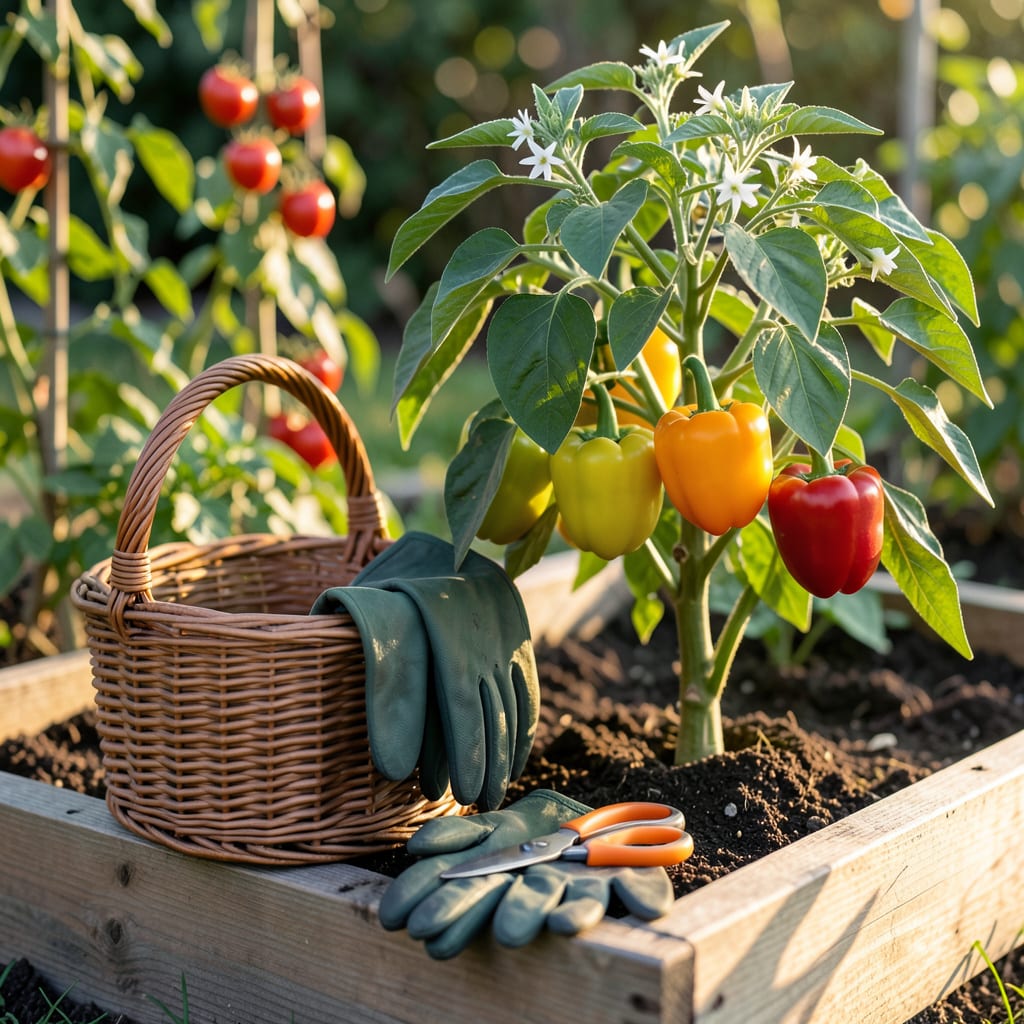
There’s nothing quite like the satisfaction of plucking a perfectly ripe bell pepper from your garden—only to realize too late it was picked too soon. That crisp, sweet flavor you were dreaming of? It hinges entirely on timing.
I’ve seen too many gardeners miss the subtle signs that separate a mediocre harvest from an exceptional one. Whether you’re growing classic green peppers or vibrant reds, knowing exactly when to harvest makes all the difference. Let me show you the foolproof way to get it right every time.


Nothing beats the satisfaction of harvesting perfectly ripe bell peppers—but knowing exactly when they’re ready can be tricky. I’ve learned that color changes are the most obvious clue, but there are several other telltale signs that reveal peak ripeness. Let’s break down what to look for.
First, examine the pepper’s size and shape. Most varieties reach 3-4 inches long when fully mature. The skin should appear glossy and firm, not dull or wrinkled. I always check the shoulder area near the stem—when it loses its green tint, you’re getting close.
| Sign | Ready to Harvest | Not Ready Yet |
|---|---|---|
| Color | Deep, uniform hue ✅ | Pale or patchy 🟢 |
| Size | 3-4 inches long 📏 | Under 2 inches 🔍 |
| Texture | Firm, glossy skin ✨ | Dull or soft surface |
| Stem | Snaps easily ✂️ | Bends without breaking |
The fingernail test is my go-to method for checking ripeness. Gently press your fingernail into the pepper’s skin. If it leaves a slight indentation that springs back, you’ve hit the sweet spot. This indicates the cell walls are perfectly developed for that ideal crunch.
Don’t overlook the stem connection. A ripe pepper will separate from the plant with a gentle twist, leaving a clean break. If you’re struggling to pull it off, give it another day or two. I’ve found that morning harvesting yields the best texture, as peppers are most hydrated then.
For color-changing varieties, remember that green peppers can be harvested early, but they’ll develop more sweetness if left to mature. Red peppers should be deep crimson all over, while yellow and orange types need that sunny, vibrant tone throughout.
The aroma test is often overlooked but incredibly telling. Bring the pepper close to your nose—ripe ones emit a faint, sweet fragrance. Unripe peppers smell more grassy or vegetal. This simple check has saved me from harvesting too early countless times.
Watch for weather impacts on ripening. Hot spells can accelerate color development, while cooler temperatures slow it down. I adjust my harvest schedule accordingly, checking plants more frequently during heat waves. Remember that overripe peppers become soft and develop wrinkles.
Regular harvesting actually boosts production. I make it a habit to check my plants every 2-3 days during peak season. The more you pick, the more your plants will produce. Just be sure to use clean pruners to avoid damaging the plant.
Finally, trust your instincts. With experience, you’ll develop an eye for that perfect moment when size, color, and texture all align. I still get excited every time I find that first perfectly ripe pepper of the season—it’s the gardener’s reward for patience and attention to detail.
🌶️Timing your harvest perfectly depends on the color variety you’re growing. Green peppers are simply unripe versions of their colorful counterparts, but they have their own ideal picking window. I always remind gardeners that red bell peppers take about 2-3 weeks longer to mature than green ones.
The secret lies in understanding each color’s days-to-maturity range. While green peppers are typically ready in 60-70 days, red varieties need 80-90 days to develop their full sweetness. This extra time allows sugars to accumulate, transforming that tangy green flavor into something richer.
| Color | Days to Maturity | Flavor Profile | Best Harvest Time |
|---|---|---|---|
| Green | 60-70 days | Grassy, slightly bitter | Firm, glossy, 3-4 inches |
| Red | 80-90 days | Sweet, fruity | Deep red, slightly soft |
| Yellow/Orange | 70-80 days | Mild, citrusy | Vibrant color, glossy |
For yellow and orange peppers, watch for that sunny hue to become uniform. These varieties typically fall between green and red in maturity time. I like to check their shoulders (the area near the stem) – when this spot loses its green tint, you’re getting close to perfect ripeness.
Here’s a pro tip: If you’re growing multiple colors, prioritize harvesting green peppers first. Leaving them on the plant too long while waiting for reds can cause them to become pithy and bitter. I use a simple twist-and-pull test – if the pepper separates easily with a gentle twist, it’s ready.
Remember that weather impacts ripening too. Hot summers may speed up color development, while cooler fall temperatures can slow it down. When in doubt, I always recommend the fingernail test – gently press your nail into the pepper’s skin. If it leaves a slight indentation, it’s perfectly ripe.
For those growing purple or chocolate peppers, these unique varieties often start green before developing their distinctive hues. They’re ready when they reach full size and their specialty color becomes deep and uniform. The glossy sheen you’re looking for appears right before peak sweetness.
Don’t forget that harvesting encourages production. The more you pick, the more your plants will produce. I’ve found that regular harvesting every 3-5 days during peak season keeps my pepper plants productive until the first frost threatens.
🌶️After years of growing bell peppers, I’ve seen even experienced gardeners make simple mistakes that cost them that perfect harvest. The most common error? Picking too early—those pale green peppers might look ready, but they’ll taste bitter and lack sweetness. Let me share the top pitfalls and how to sidestep them.
Another frequent misstep is waiting too long to harvest. Overripe peppers become soft, develop wrinkles, and may even start rotting on the vine. I always recommend checking plants every 2-3 days during peak season to catch that perfect window. Remember, bell peppers don’t continue ripening after picking like tomatoes do.
The wrong cutting technique can damage your plant and reduce future yields. Never yank peppers off—this can break branches. Instead, use clean pruning shears or a sharp knife to make a clean cut, leaving about ½ inch of stem attached. I always sanitize my tools between plants to prevent disease spread.
Harvesting during the hottest part of the day is another common error. Peppers picked in midday heat will wilt faster and may develop soft spots. I always harvest in the early morning when plants are most hydrated. This also gives any accidental wounds time to callous over before nightfall, reducing pest attraction.
Many gardeners overlook how weather affects ripening. After heavy rains, peppers can absorb too much water and crack. I check my plants carefully after storms and harvest any nearly-ripe peppers to prevent splitting. Similarly, during heat waves, I provide temporary shade to prevent sunscald on developing fruits.
Finally, don’t forget that regular harvesting actually boosts production. When you leave overripe peppers on the plant, it signals to stop producing new flowers. I make it a habit to remove any peppers showing signs of disease or pest damage immediately—this keeps the plant focusing energy on healthy fruit development.
🌶️Most bell peppers reach harvest readiness in 60-90 days from planting, depending on the variety. Green peppers mature fastest at 60-70 days, while red varieties need 80-90 days to develop their full sweetness. Always check your seed packet for specific timing.
Unlike tomatoes, bell peppers won’t continue ripening significantly after picking. While green peppers are edible, they’ll stay green unless left on the plant. For full color development and sweetness, it’s best to let them mature naturally on the vine.
Soft spots usually indicate overripeness or inconsistent watering. Check peppers every 2-3 days during hot weather, as they can become overripe quickly. Harvest in the early morning when peppers are most firm and hydrated.
Use clean pruning shears or a sharp knife to cut peppers, leaving about ½ inch of stem. Never yank peppers off, as this can break branches. Sanitize tools between plants to prevent disease spread.
Regular harvesting signals the plant to produce more flowers and fruit. I recommend checking plants every 3-5 days during peak season. The more you pick, the more your plants will produce until frost arrives.
